ROOM ADDITION CONTRACTORS IN ST. PETERSBURG
Single-room additions in St. Petersburg — bedrooms, home offices, sunrooms, and Florida rooms enclosed off the lanai. Most projects run $20K-$80K (dry scope) or up to $180K (wet scope) and 3-6 months from design to move-in. Open-book Time & Materials pricing with all permits pulled through the St. Petersburg Building Department, and you stay in the house through most of construction.
What Counts as a “Room Addition” in St. Pete
The four intent classes we estimate most often:
Bedroom addition — 150-250 sqft attached to the back or side of a 1950s-1970s ranch or 1920s bungalow. No new bathroom, no new kitchen. Existing HVAC may need a damper or a small zone extension; the 200-amp panel handles new outlets and lighting circuits without a service upgrade in most cases.
Home office addition — 100-200 sqft with a private entry or stronger separation from family noise. Dedicated electrical for monitor banks, networking, and HVAC capacity for closed-door work. Same dry-room economics as a bedroom — no plumbing, no fixtures, no major envelope rework.
Sunroom / Florida room — 150-300 sqft enclosed off the back of the house, conditioned to the rest of the home, impact glazing per Florida Building Code Section 1620 wind-borne debris requirements. Pinellas County treats a conditioned-space sunroom as living square footage — adds to the tax record.
Screened lanai converted to Florida room — the cheapest path if the slab + roof are already there. The shell is in place; the budget goes to walls, insulation, impact windows, HVAC tie-in, and the change-of-use permit.
Out of scope for this page: master suite additions (bedroom + en-suite bath — see master suite addition page), second-story additions (see second-story addition page), and full whole-house remodels (see home remodel). Florida-room intent that involves removing an interior wall to open the floor plan into the new conditioned space is partly covered by open-up-your-plan.
Permit, Slab, and Structural Tie-In Considerations
Even a single-room addition pulls a full St. Petersburg Building Department permit set: building, electrical, plumbing (if any fixtures), mechanical (HVAC tie-in or new mini-split), and roofing where the new roof line meets the existing. Florida Product Approval (NOA) numbers attach to every impact window and roofing assembly so plan review doesn't stall.
“Permits for additions cover everything like a new build — foundation, masonry, rebar, electrical, plumbing, roof, windows, doors, framing, insulation. Permitting takes two to five months in St. Pete.”
— Jeremy Wharton, Owner, Revolution Contractors
On a clean single-room addition set, expect the lower end of that window — typically 3-6 weeks of plan review through the St. Petersburg Building Department.
Slab tie-in matters most for ranch and bungalow housing stock. We use epoxy and steel rebar to tie the new foundation into the existing poured cells for masonry homes, and heavy-duty Simpson Strong-Tie steel connectors for wood-frame tie-ins, engineered for a solid joint to the existing structure. Our in-house W-2 carpenters handle the framing, sheathing, and Simpson Strong-Tie hurricane-strap work directly — this is critical-path structural work.
Setback rules in St. Pete: typically 6-7 feet on the sides, 20-30 feet front, 25 feet rear. The architect plots those on the survey before design starts. On smaller Old Northeast bungalow lots or Historic Kenwood 50x100s, setback geometry sometimes drives the design more than the homeowner's wish list — Pinellas County setback and lot-coverage rules are non-negotiable.
If the property sits in an FEMA AE or VE flood zone, even a single-room addition can trigger 50% Rule review — if the addition cost plus other improvements in the same calendar year exceeds 50% of the structure's pre-improvement market value, FEMA requires the whole house brought to current flood code. On most room additions this isn't a concern, but on a $60K bedroom add to a coastal property assessed at $180K, the math gets tight fast. We pull the FIRM panel before design.
Timeline: 3-6 Months Typical for Non-Structural
A single-room addition without major structural retrofitting clears faster than a master suite or a second story:
Design + structural engineering
4-8 weeks for a single-room non-structural add (a master suite or second story runs 3-6 months because of bath layouts and load-path calcs).
Permitting through St. Pete Building Department
3-6 weeks on a clean engineered plan set. Add 6-12 weeks if the property sits in a historic district and requires Certificate of Appropriateness (COA) review from the Community Planning & Preservation Commission first.
Construction
8-16 weeks depending on whether it's a true new-foundation addition or a screened-lanai-to-Florida-room conversion. Lanai conversions can wrap in 6-8 weeks; new-foundation bedrooms run closer to 12-16 weeks.
Final inspections + punch list
1-2 weeks after substantial completion.
Total: 3-6 months from contract signature to move-in is realistic for a single-room scope. Compare to a master suite addition (8-12 months) or a second story (10-14 months).
Cost Factors: $20K-$80K Dry, Up to $180K Wet
The cost band on a single-room addition depends almost entirely on whether the room has plumbing fixtures or kitchen-grade systems:
| Scope | Cost / sqft | Typical Total | Driver |
|---|---|---|---|
| Bedroom (dry, new foundation) | $200-$250 | $40,000-$80,000 | Foundation tie-in, framing, envelope, finishes |
| Home office (dry, new foundation) | $200-$250 | $30,000-$60,000 | Same as bedroom; sometimes upgraded electrical |
| Sunroom / Florida room (conditioned, new foundation) | $250-$400 | $50,000-$120,000 | Impact glazing, HVAC extension, slab |
| Florida room (lanai conversion — shell exists) | $80-$200 | $20,000-$60,000 | Walls, insulation, glazing, HVAC tie-in |
| Single room with wet plumbing (rare standalone) | $250-$300 | $80,000-$180,000 | Plumbing rough-in, fixtures, mechanical |
St. Pete-area ranges based on 2025-2026 project data. Your actual cost depends on site conditions, finishes, and regulatory requirements.
“Realistic cost per square foot in St. Pete is hard to pin down — depends on wet space. Example: a garage with two offices (no wet rooms) about 2,000 sq ft total cost $200,000; if it included a bath and kitchen it would be closer to $500,000. So roughly $200-300 per sq ft for first-floor additions and $300-400 plus for second floors.”
— Jeremy Wharton, Owner, Revolution Contractors
That $100/sqft baseline on a dry garage-conversion-to-office scope is the lowest-end reference point we work from. A clean attached-bedroom add on a slab home in Kenwood, Crescent Lake, or Bahama Shores prices similarly when there's no FEMA, no historic-district, and no major HVAC rework involved.
Hidden costs that surface most often on single-room adds: HVAC capacity check (your existing system may not absorb the new square footage — a mini-split for the addition is usually the cleanest path), electrical panel coordination (older 100A or 150A panels sometimes need a subpanel or service upgrade), and the change-of-use permit review on lanai conversions where the space transitions from unconditioned accessory to habitable. For the full line-item breakdown, see our home addition cost guide.
What to Expect: Living in Place Is Usually Feasible
For most single-room additions, you stay in the house. The structural phase — foundation, framing, sheathing, roof tie-in — happens entirely outside the existing envelope. The only time you'll see noticeable disruption is the brief window where the contractor cuts the connection between the new addition and the existing house (typically a day or two of dust and a temporary plastic wall), and during the HVAC and electrical tie-in when systems are briefly down.
“Some additions allow clients to live in the house during construction; others don't. Rentals are expensive in St. Pete, so we keep clients in their homes as long as safely possible.”
— Jeremy Wharton, Owner
On a dry single-room scope without kitchen or bath rework, expect to stay through the full construction window. Open-book T&M billing, weekly budget reports, every invoice visible. Our project manager, general superintendent, and on-site super walk the project with you at handoff — zero ambiguity on scope. By construction start, 90-95% of costs are confirmed.
Neighborhoods We Serve for Room Additions
Room additions work best in housing stock that has lot room left and structural geometry that accepts a single-room add cleanly.
Old Northeast
Smaller 1920s-1930s bungalows that started life as 2-bedroom homes. Master bedroom additions are common; historic district COA review adds 6-12 weeks.
Historic Kenwood
1912-1945 bungalows on tight 50x100 lots. Setback constraints can limit options, but a creative architect threads single-room adds onto most lots.
Bahama Shores
Postwar ranches on 70-80 ft lots with side-yard room for a 200-250 sqft bedroom or home office addition.
Crescent Lake
1920s-1950s homes on roughly 6,500-sqft lots. Most can accommodate first-floor additions with room to spare.
Old Southeast
Historic district bungalows similar to Old Northeast. COA review required.
Euclid-St. Pauls
Mid-century ranches and bungalows with strong room-addition geometry.
Service area covers Pinellas County and St. Petersburg, with active project density across Snell Isle, Shore Acres, Tierra Verde, Pasadena, Jungle Terrace, St. Pete Beach, Treasure Island, Madeira Beach, Indian Rocks Beach, and Reddington Shores.
Ready to Talk Through Your Room Addition?
We'll ask about the room you want to add, whether you're in a flood zone or historic district, and what your house can structurally absorb — then tell you honestly what the process looks like for your specific lot.
Room Addition FAQs
How much does a single-room addition cost in St. Petersburg?
Most single-room additions in St. Pete run $20,000 to $80,000 for a dry room (bedroom, home office, basic sunroom) and $80,000 to $180,000 if the room includes plumbing fixtures. Per-square-foot cost lands at $200-$300 for a new-foundation dry add, dropping to $80-$200 if you're converting an existing screened lanai or covered space. Florida Building Code impact-glazing requirements, HVAC capacity, and whether your existing 100A or 200A electrical panel can absorb new circuits drive the spread inside that band.
Can I stay in the house during a room addition?
Usually yes. The structural phase — foundation, framing, roof tie-in — happens outside your existing envelope. You'll see one or two days of dust when we cut the connection between the new room and the existing house, and brief HVAC/electrical downtime during system tie-ins. Per Jeremy Wharton, owner: 'Rentals are expensive in St. Pete, so we keep clients in their homes as long as safely possible.' On a dry single-room scope without kitchen or bath work, plan to stay through the full construction window.
How long does a single-room addition take from contract to move-in?
3 to 6 months total for a non-structural single-room addition: 4-8 weeks of design and structural engineering, 3-6 weeks of permitting through the St. Petersburg Building Department, and 8-16 weeks of construction. Lanai-to-Florida-room conversions wrap fastest (6-8 weeks construction). New-foundation bedroom additions run longer (12-16 weeks). Historic-district properties add 6-12 weeks at the front for Certificate of Appropriateness review.
Do I need an architect for a room addition, or can your team handle plans?
All permitted additions in St. Petersburg require stamped plans. We coordinate with independent architects we've worked with for years — they handle exterior elevations, setback compliance with Pinellas County rules (typically 6-7 ft sides, 20-30 ft front, 25 ft rear), and structural engineer stamps for any load-bearing changes. Budget conversation starts during design so you're not surprised at the end of the design phase.
Will a Florida room or sunroom addition trigger the FEMA 50% Rule?
It can if your home is in an FEMA AE or VE flood zone. The 50% Rule applies when the cost of improvements in a single calendar year exceeds 50% of the structure's pre-improvement market value. On most single-room additions this isn't a concern, but a $60,000 Florida room added to a coastal home assessed at $180,000 can push you close to the threshold. We pull the FIRM panel before design starts to flag this.
Related Services

Guides & Resources
 Home Addition
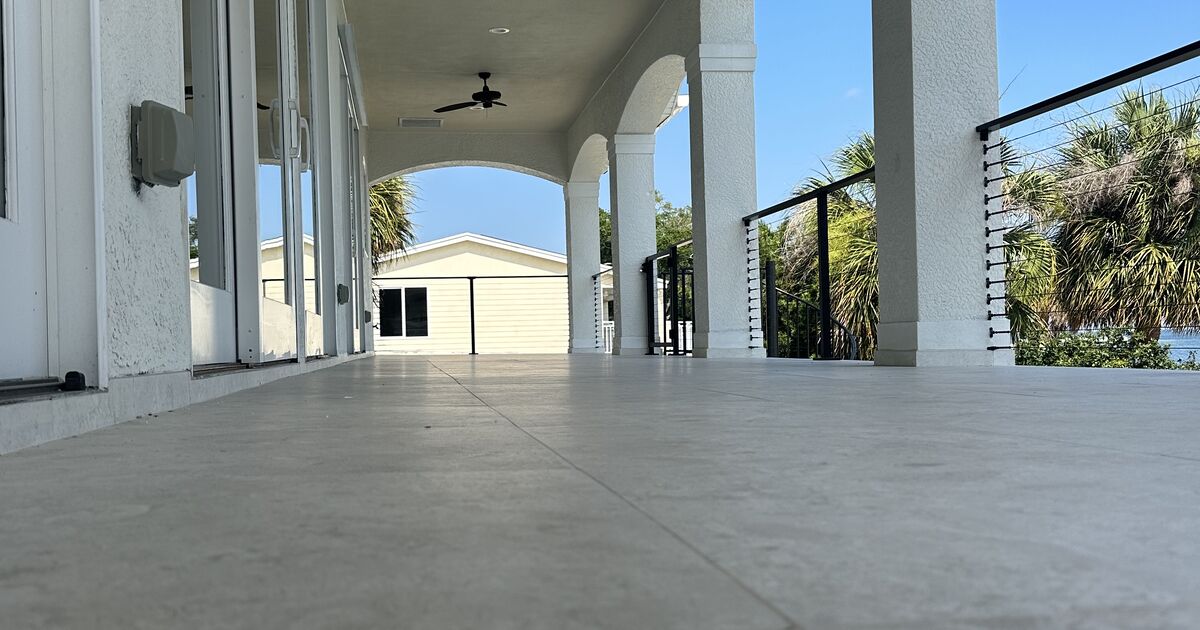
Home Addition Cost in St. Petersburg: What to Budget in 2026
Real cost ranges by addition type — first-floor, second-story, garage conversions, and ADUs with St. Pete project data.
Read Guide →
 Home Additions
Florida Room Addition Cost in St. Pete (2026 Prices)
Florida room additions in St. Pete cost $20K-$120K+ depending on size and finish level. Cost tables, permit process, and the impact glass exemption most contractors skip.
Read Guide →
 Custom Home
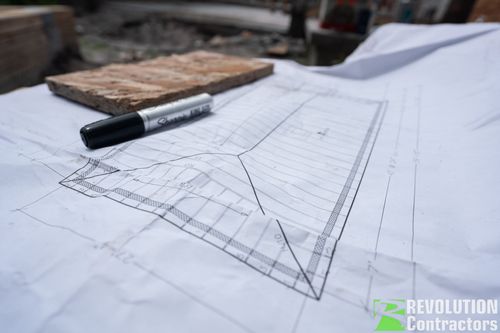
Remodel, Add On, or Build New?
The decision framework for homeowners weighing all three options, including the FEMA 50% Rule that sometimes makes the decision for you.
Read Guide →
 Home Addition
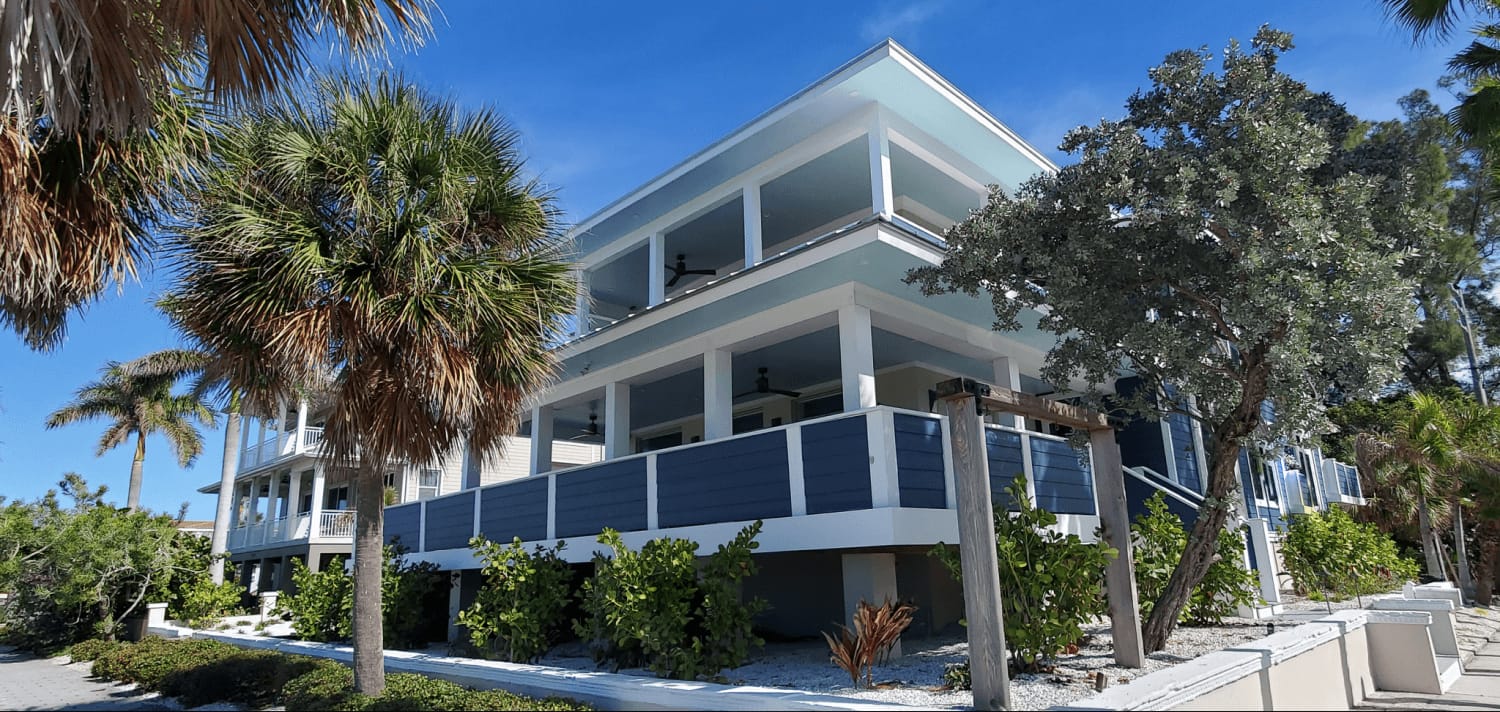
What to Expect During a Home Addition: From Design to Move-In
Phase-by-phase timeline from architect selection through final inspection — 12-18 months of what actually happens.
Read Guide →