Illustrated aerial view of Historic Kenwood neighborhood in St. Petersburg with Craftsman bungalows and tree-lined streets

Home Remodeling in Historic Kenwood, St. Petersburg

Craftsman bungalows packed onto tree-lined city lots. Galley kitchens that haven't changed since 1928. A hundred years of cast iron plumbing under pier-and-beam floors. Kenwood is one of St. Pete's most architecturally intact neighborhoods — and one of the most technically demanding places to remodel.

39 Five-Star Reviews
FL #CRC1331628
Licensed & Insured

The Neighborhood: What You're Working With

If you're planning kenwood remodeling in St. Pete, you're working inside one of the largest concentrations of Craftsman-style bungalows in the southeastern United States. The historic district runs roughly from 1st Avenue North to 9th Avenue North between 19th Street and 34th Street — 375 acres, 2,203 structures, almost all built between 1912 and 1945 when developer Charles Hall and his successors turned avocado groves two miles northwest of downtown into St. Pete's first true suburb.

The dominant style is Craftsman Bungalow: wide front porches, tapered columns, low-pitched gabled roofs with exposed rafter tails, and interiors built with detailed millwork, built-in cabinetry, and original hardwood floors. You'll also find Tudor Revival, Mediterranean Revival, and American Foursquare examples. Some homes are documented Sears Catalog homes — kits ordered from Sears Roebuck with pre-cut, labeled lumber shipped by rail. And 167 homes in the district were physically relocated here from other neighborhoods in the 1930s, creating unusual structural variability that surprises contractors who don't know the history.

Typical homes run 1,200–1,800 sq ft on 5,000–6,500 sq ft city lots. Median sale price is approximately $530K. The neighborhood has a strong identity — Artist Enclave designation since 2014, monthly Porch Parties, a civic voice that punches above its size.

One important practical note: Kenwood sits approximately 50 feet above sea level. It's FEMA Flood Zone X — outside the Special Flood Hazard Area entirely. No flood insurance required, no 49% Substantial Improvement rule, no elevated construction requirements. If you've been comparing Kenwood to Snell Isle or Shore Acres, the flood zone situation is completely different here. It's genuinely straightforward.

Historic Craftsman bungalow renovation by Revolution Contractors
Annotated illustration revealing what's hidden inside the walls of a 1926 Kenwood Craftsman bungalow

Services We Offer in Kenwood

Kitchen Remodel

The galley kitchen is the single most common renovation request in Kenwood. Almost every Craftsman bungalow has the same layout: a narrow kitchen, 8–10 feet wide, closed off from the dining room by a load-bearing wall. Opening that wall requires structural engineering to design the replacement header or beam, removal of original framing, potential floor leveling, and rerouting of any plumbing or electrical in the removed wall.

In a 1,200 sq ft home where every square foot matters, the result is dramatic. Our carpenters have done this enough times to know where the complications hide.

Learn about kitchen remodeling →

Bathroom Remodel

Kenwood bathrooms from this era were functional, not generous. Most are 5x8 at best, with original cast iron tubs, pedestal sinks, and early tile work that's either charmingly intact or deteriorating. Modern updates — heated floors, frameless enclosures, proper ventilation — require working around lath-and-plaster walls and cast iron drains.

Done carefully, you can modernize a Kenwood bathroom completely while preserving the bones. Our team works in these spaces regularly and knows the difference.

Learn about bathroom remodeling →

Home Additions

Kenwood lots are smaller than Old Northeast or Snell Isle, which means traditional rear additions hit zoning limits faster. The practical solution for most Kenwood bungalows is a bump-out: extending the back of the kitchen or master bath 6–8 feet without adding a full story. Even modest bump-outs on a 1,200 sq ft home change livability significantly.

For homeowners who want more substantial square footage, dormer additions to a one-story Craftsman bungalow are architecturally consistent with the style and technically feasible — though they require structural engineering and, for some properties, historic district review.

Learn about home additions →

Kenwood's Renovation Challenges: What's Behind These Walls

1. Cast Iron Plumbing — Universal in Every Pre-1975 Kenwood Home

Every 1912–1945 home in Kenwood has cast iron drain, waste, and vent piping. Cast iron has a functional lifespan of 50–70 years. The oldest Kenwood homes are now over 110 years old. The pipes are not aging — they're past the end of their designed service life.

Here's the silver lining specific to Kenwood: most bungalows have pier-and-beam foundations — the house is raised off grade, with accessible space underneath. A plumber can reach the drain lines from below without cutting concrete. That makes cast iron replacement significantly less invasive and less expensive than in slab-on-grade construction. Replacement typically runs $10,000–$30,000 depending on home size and access conditions.

Cast iron plumbing illustration showing 80-year-old corroded pipes under a pier-and-beam bungalow foundation

2. The Galley Kitchen Wall — Load-Bearing by Design

The wall between your Craftsman bungalow's kitchen and dining room is almost certainly load-bearing. The right approach: pull structural drawings, engineer a proper replacement beam (typically a laminated veneer lumber beam or steel), install the beam with proper point loads to the foundation, and then do the finish work around it.

In a 1920s bungalow, the original framing was true-dimension lumber — a 2x4 was actually 2 inches by 4 inches, not the 1.5x3.5 of modern lumber. That affects how modern cabinets, trim, and millwork align with the original structure. Our carpenters measure everything in-field; they don't assume standard dimensions in a hundred-year-old home.

Illustration showing galley kitchen load-bearing wall removal with engineered beam installation in a Craftsman bungalow

3. Historic District Navigation — Four LHDs, One Process

Kenwood was listed on the National Register of Historic Places in 2003. The National Register designation is honorary — it carries no exterior modification requirements for most residential properties. The four local historic districts within Kenwood are different. These areas, including the Southwest Central Kenwood LHD designated in April 2021, require a Certificate of Appropriateness (COA) from the City's Historic Preservation Board before any exterior building permit can be issued.

The honest timeline, from Jeremy: “That department is really bad at any level of timeliness or accountability, so it very easily adds two to four months.” The approval rate since 1987 is 97%. The process works — it just takes time. We've navigated it. We know what the board expects and how to prepare a submission that doesn't come back with requests for more information.

4. Knob-and-Tube Wiring and Lath-and-Plaster

Every Kenwood home built before the late 1930s was wired with knob-and-tube — separate hot and neutral conductors suspended on ceramic knobs, no grounding, 60-amp service panels. Modern kitchens and bathrooms require significantly more power. Many insurers won't write policies for homes with active knob-and-tube wiring, which forces the issue when new buyers finance a purchase.

Those walls are lath-and-plaster: narrow wood strips nailed to studs, covered in three coats of plaster. Original plaster walls are actually excellent — more durable than modern drywall, with better acoustic and thermal properties. They're also harder to repair invisibly. Our tradespeople can patch plaster to match original finishes without making every rewired room look like a drywall patch job.

Comparison illustration of original knob-and-tube wiring and 60-amp panel versus modern 200-amp electrical service
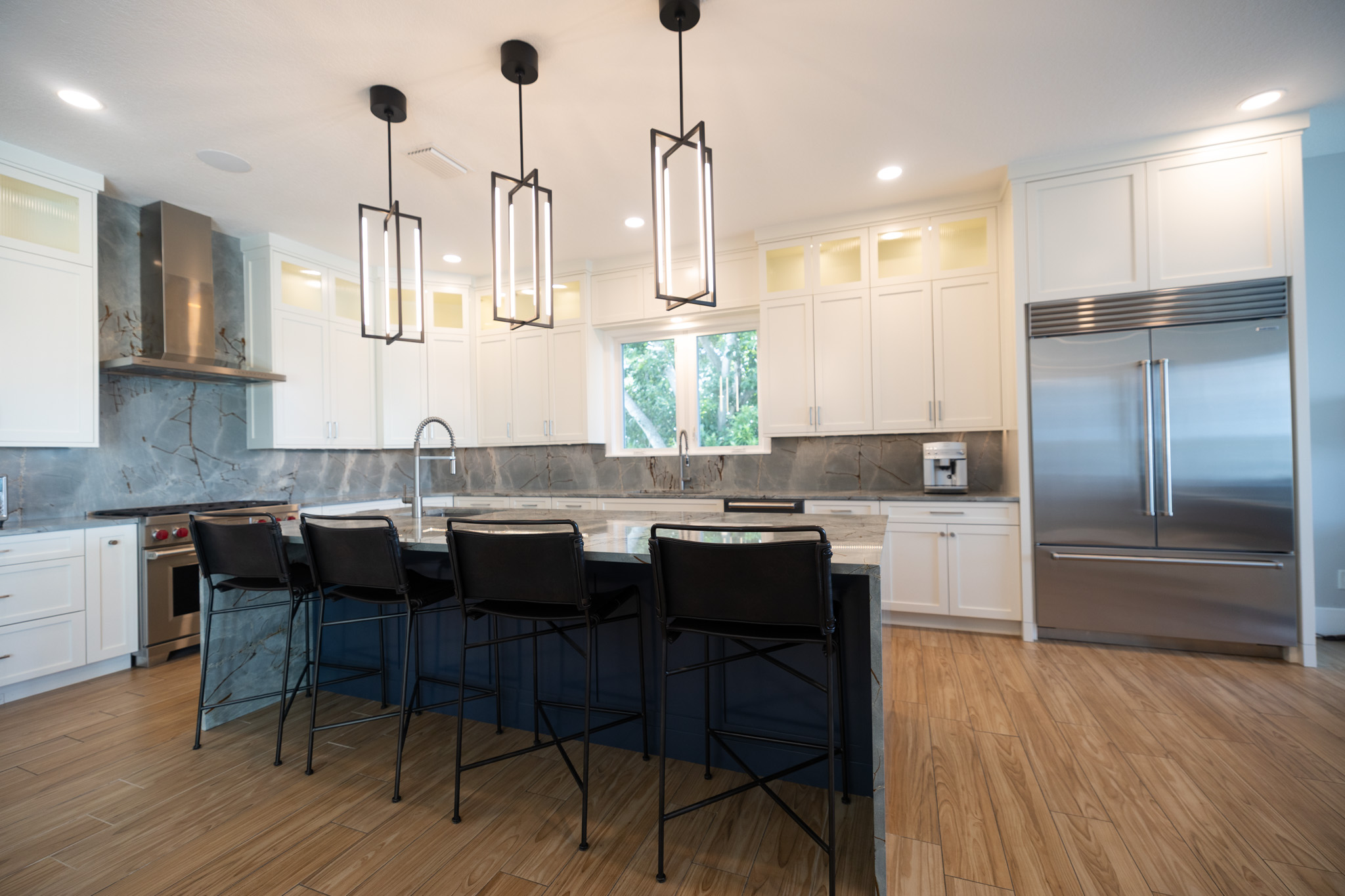
Kitchen remodel completed by Revolution Contractors
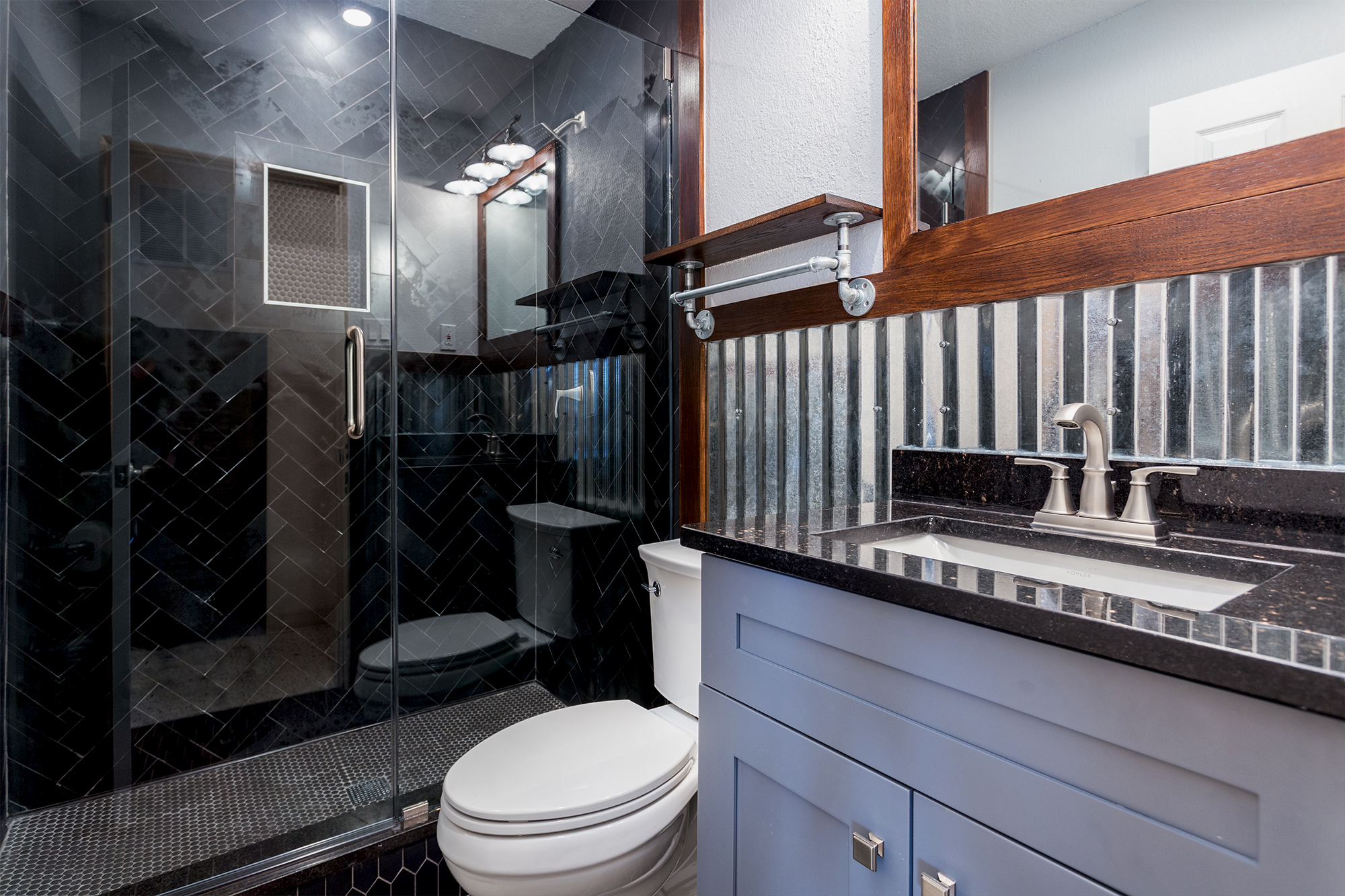
Bathroom remodel completed by Revolution Contractors
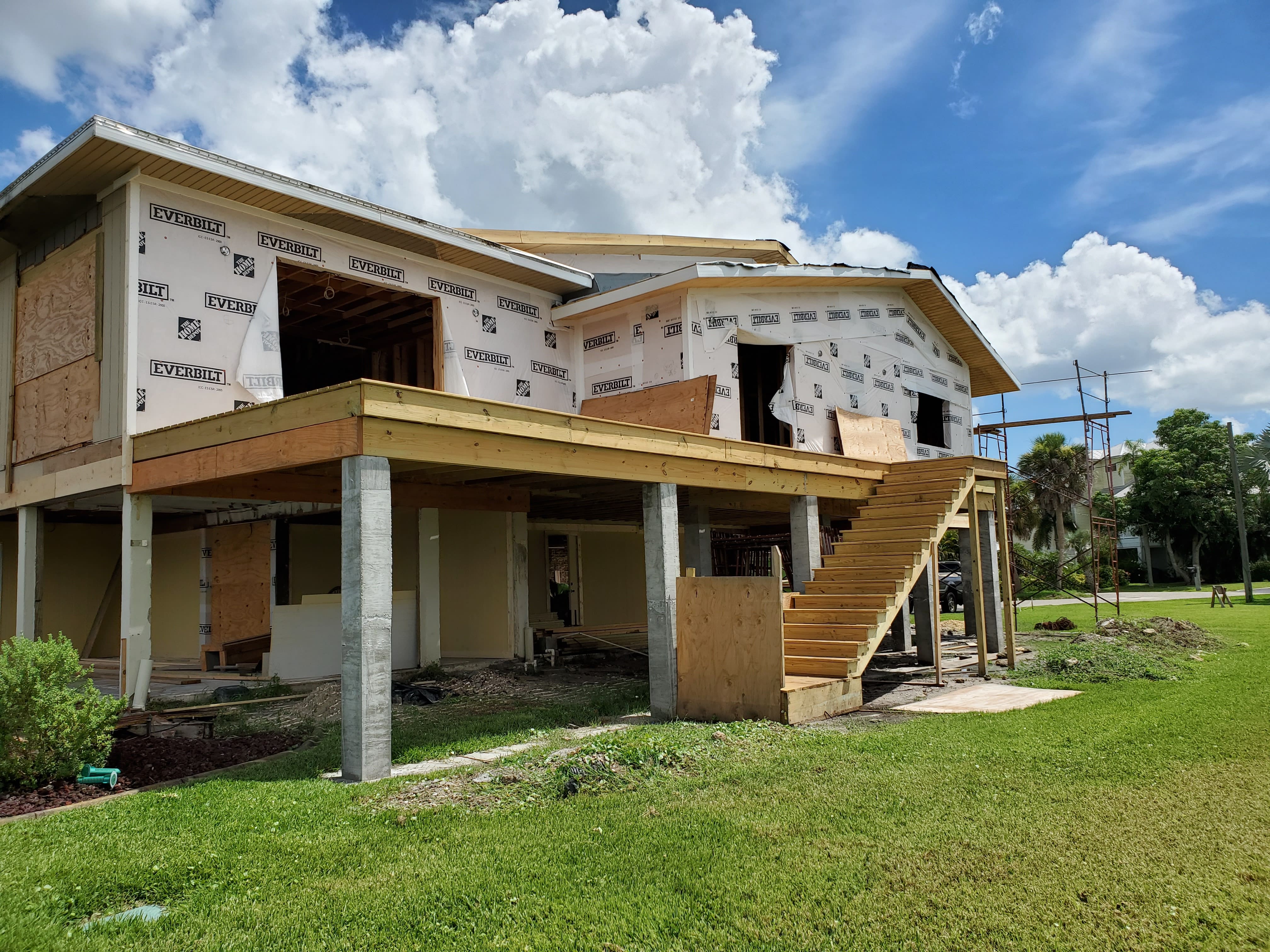
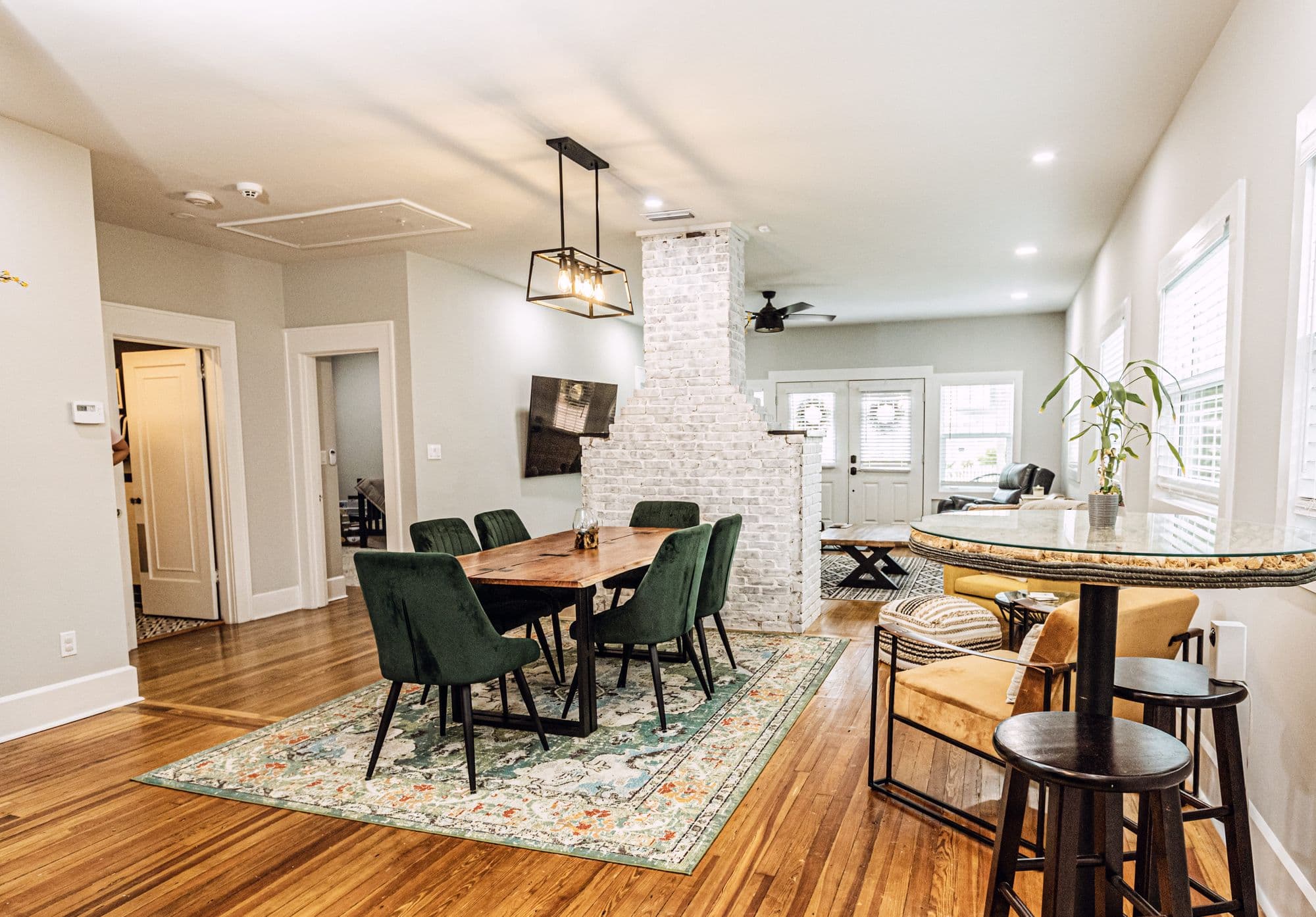
Historic home renovation by Revolution Contractors

Ready to talk about your Kenwood project?

Call 727-888-6161. We'll walk through your home's specific situation — galley kitchen, cast iron, historic district status — before any design work begins.

Permitting in Kenwood

All Kenwood permits run through City of St. Petersburg Building & Permitting — not Pinellas County. Standard residential review timeline is 2–5 weeks.

Interior renovations (kitchens, bathrooms, floors, walls): Standard City of St. Petersburg permitting for all Kenwood homes. No historic review required, regardless of whether your property is in a local historic district.

Exterior work — properties NOT in a local historic district: Standard building permit only. No additional review steps.

Exterior work — properties IN one of the four local historic districts: A Certificate of Appropriateness from the City's Historic Preservation Board is required before the building permit is issued. Staff can approve minor changes quickly; significant changes go to the Community Planning and Preservation Commission (CPPC), which adds 4–6 weeks minimum — and in practice, 2–4 months total. The 97% approval rate since 1987 should be reassuring. We know the process well.

If you're not sure whether your property falls inside one of the four LHDs: check the City of St. Petersburg's Historic Preservation Map at stpete.org, or call the Historic Preservation Office at 727-892-5451. We can also help you determine your status at the first consultation.

Standard Permit Timeline

2–5 weeks

City of St. Petersburg, interior or non-COA projects

COA Buffer (if required)

2–4 months

Properties in one of four LHDs, exterior changes visible from street

What Projects Cost in Kenwood

Kenwood project costs are driven more by what's inside the walls than by the finish level — though finish expectations in a restored Craftsman bungalow are typically high.

Kitchen renovations run $50,000–$120,000+ depending on whether a load-bearing wall comes down (adds structural engineering, typically $3,000–$8,000 plus beam installation), whether cast iron drains need replacement (add $10,000–$20,000), and whether a panel upgrade is required (add $3,000–$8,000). A full galley-to-open-plan kitchen remodel with new systems is typically a $75,000–$130,000 project in a Kenwood bungalow.

Cost Ranges

Kitchen Remodel

$75,000–$130,000

Bathroom Remodel

$20,000–$60,000

Bump-Out Addition

$60,000–$100,000

Cast Iron Replacement

$10,000–$30,000

We price on Time & Materials. You get a detailed estimate upfront, weekly budget reports, and you see every invoice.

For detailed cost breakdowns, see our kitchen remodel cost guide and our bathroom remodel cost guide. For more on what drives cost in pre-1945 St. Pete homes, see our cast iron plumbing guide and lead paint and asbestos guide.

THE REVOLUTION DIFFERENCE

WHY KENWOOD HOMEOWNERS CHOOSE REVOLUTION

What sets us apart for Craftsman bungalow renovation in Historic Kenwood.

20+ W-2 CARPENTERS

In-house finish carpenters who handle the custom millwork and period finish work that a Craftsman home demands — matching 1920s trim profiles, repairing original built-ins, and working with true-dimension lumber.

OPEN-BOOK T&M PRICING

Historic homes hide scope. When you open a century-old wall and find cast iron in failure or knob-and-tube wiring, it shows up in your weekly budget report that same week. No renegotiation, no padded contingency.

HISTORIC DISTRICT EXPERIENCE

We’ve navigated the COA process in Kenwood’s local historic districts and know the difference between National Register honorary status and local design review requirements that add 2–4 months.

DESIGN-BUILD UNDER ONE ROOF

Design, structural engineering, permits, and construction — one team. Critical for Kenwood projects where galley kitchen conversions require coordination between architect, engineer, and builder.

Our Process for Kenwood Projects

From First Call to Final Walkthrough

1

Assessment & Historic Status Check

We confirm whether your property is in one of Kenwood’s four local historic districts or just the National Register area. We assess the structural situation — pier-and-beam vs. slab, load-bearing wall configuration, cast iron condition — before any design work begins.

2

Design & Period Detailing

Design and construction under one roof. We design around your Craftsman bungalow’s architectural character — matching existing trim profiles, specifying historically appropriate materials, and planning structural solutions for load-bearing wall modifications.

3

Permitting (City of St. Petersburg)

All Kenwood permits go through City of St. Petersburg Development Services. Standard permits run 2–5 weeks. Properties requiring a COA add 2–4 months — we build this into your project timeline from day one.

4

Construction

In-house crew. Weekly budget reports. Open invoicing. When we open century-old walls and discover conditions — cast iron failure, knob-and-tube wiring, structural concerns — the scope change shows up in your next report. No surprises.

"We had multiple contractors tell us that our 100-year-old bungalow in Old Southeast should be torn down instead of remodeled. Revolution worked with us on an extensive plan to rebuild structural components and remodel the entire house."
St. Petersburg Homeowner
39 Five-Star Reviews
FL #CRC1331628 | #BC005541
25+ Years Experience
Licensed & Insured

Kenwood Renovation FAQs

What makes remodeling in Kenwood different from other parts of St. Pete?

Three things define Kenwood renovation work: compact 1,200–1,800 sq ft homes where every structural decision matters, the Craftsman Bungalow layout with galley kitchens behind load-bearing walls and pier-and-beam foundations, and portions of the neighborhood falling inside local historic districts requiring Certificate of Appropriateness review for exterior work.

Does my Kenwood home need a Certificate of Appropriateness for renovation?

For interior work — kitchens, bathrooms, floors, walls — no. Standard City of St. Petersburg building permits apply regardless of historic district status. For exterior work, it depends on whether your property falls inside one of Kenwood’s four local historic districts. The broader National Register designation carries no review requirements for residential properties, but the four LHDs do require COA before any exterior building permit is issued.

Can I open up the galley kitchen in my Kenwood bungalow?

Yes — it’s the most common renovation in these homes. The wall between the kitchen and dining area is load-bearing in virtually every 1920s Craftsman bungalow, requiring structural engineering and a properly engineered replacement beam. Budget for structural work ($3,000–$8,000 in engineering plus installation), factor in any plumbing or electrical in the removed wall, and plan your cabinet layout to work with the new beam.

Is Kenwood in a flood zone?

No. Kenwood sits approximately 50 feet above sea level — FEMA Flood Zone X, outside the Special Flood Hazard Area. No flood insurance required, no FEMA Substantial Improvement rule, and no elevated construction requirements.

How much does it cost to remodel a Kenwood bungalow?

Kitchen remodels in Kenwood typically run $75,000–$130,000 for a full galley-to-open conversion with systems upgrades. Bathroom remodels run $20,000–$60,000. Bump-out additions run $60,000–$100,000. Plan for cast iron drain replacement ($10,000–$30,000), electrical panel upgrade ($3,000–$8,000), and structural engineering for load-bearing wall removal ($3,000–$8,000). Revolution prices on Time & Materials with weekly budget reports.

Historic home renovation completed by Revolution Contractors

SCHEDULE FREE CONSULTATION!