Aerial illustration of Euclid-St. Paul's neighborhood in St. Petersburg showing brick streets, 1920s Craftsman bungalows, mature oak canopy, and St. Paul's Catholic Church

Home Remodeling in Euclid-St. Paul's, St. Petersburg

Brick streets. Oak canopies. Craftsman bungalows with 100-year-old bones and zero flood insurance premiums. Euclid-St. Paul's gives you the historic character of Old Northeast and Kenwood without the historic review boards.

39 Five-Star Reviews
FL #CRC1331628
Licensed & Insured

The Neighborhood: What You're Working With

Euclid-St. Paul's sits on 240 acres of some of the highest ground in urban St. Petersburg — bounded by 22nd Avenue North to the north, 9th Avenue North to the south, Dr. Martin Luther King Jr. Street to the east, and 16th Street to the west. That inland elevation puts the entire neighborhood in FEMA Zone X: no special flood hazard, no mandatory flood insurance, no 49% Substantial Improvement rule hanging over your renovation budget.

The housing stock traces to the 1920s Florida land boom. Developer John B. Green purchased the original orange grove in 1921 and built out “Euclid Place” during the same decade that produced Kenwood's bungalows and Old Northeast's Mediterranean Revival estates. What you'll find here is an eclectic mix: Craftsman bungalows with exposed rafters and deep front porches, Mediterranean Revival homes with stucco and red tile, Colonial Revivals with symmetrical facades, and a second wave of 1940s block cottages filling in the remaining lots.

The original brick streets are still here — maintained by the city, not a formal overlay district. Mature live oaks and magnolias line the blocks. There's no HOA, which means renovation decisions are between you, your contractor, and the city building department. Median home values sit in the $500K–$750K range, with renovated properties pushing toward $900K and waterfront-adjacent parcels near Crescent Lake reaching higher.

The neighborhood anchors around St. Paul's Catholic Church — home to the St. Paul Festival, a four-day April tradition running nearly 100 years — and the site of the old Euclid School (1925). The ESPNA neighborhood association keeps the community connected with porch parties, yard sales, and bimonthly meetings at St. Paul's School.

Renovated Craftsman bungalow exterior in Euclid-St. Paul's, St. Petersburg

Services We Offer in Euclid-St. Paul's

Kitchen Remodel

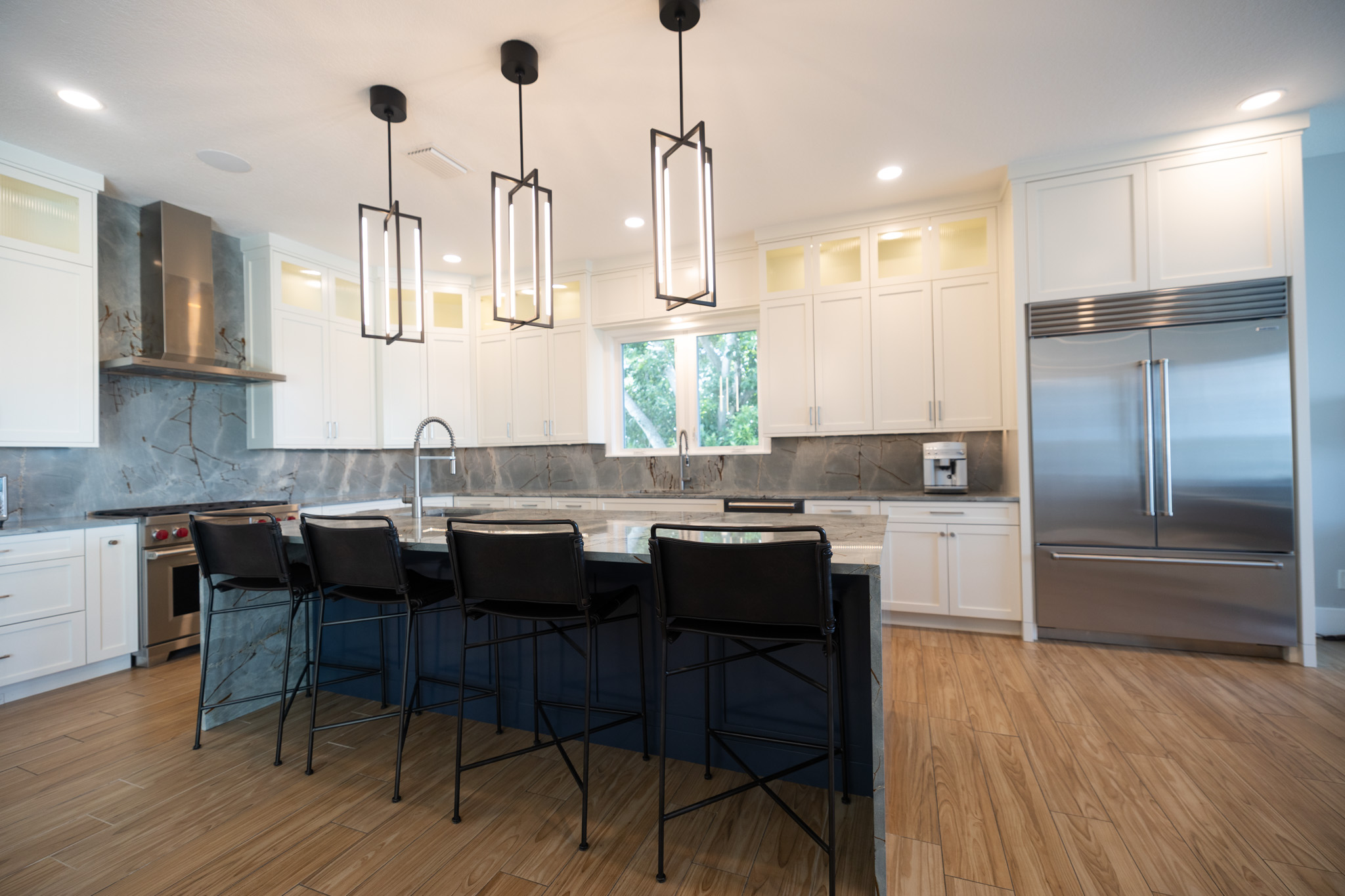
Your 1920s Euclid-St. Paul's kitchen was designed for an icebox and a two-burner range. The galley layout is closed off by a central load-bearing wall, wired with knob-and-tube through plaster-and-lath, and drained by cast iron pipes that predate your grandparents. Opening it up requires structural engineering, a panel upgrade from 60 amps to 200 amps, and a cast iron assessment while the walls are open. See our kitchen remodel cost guide for St. Pete pricing.

Learn about kitchen remodeling →

Bathroom Remodel

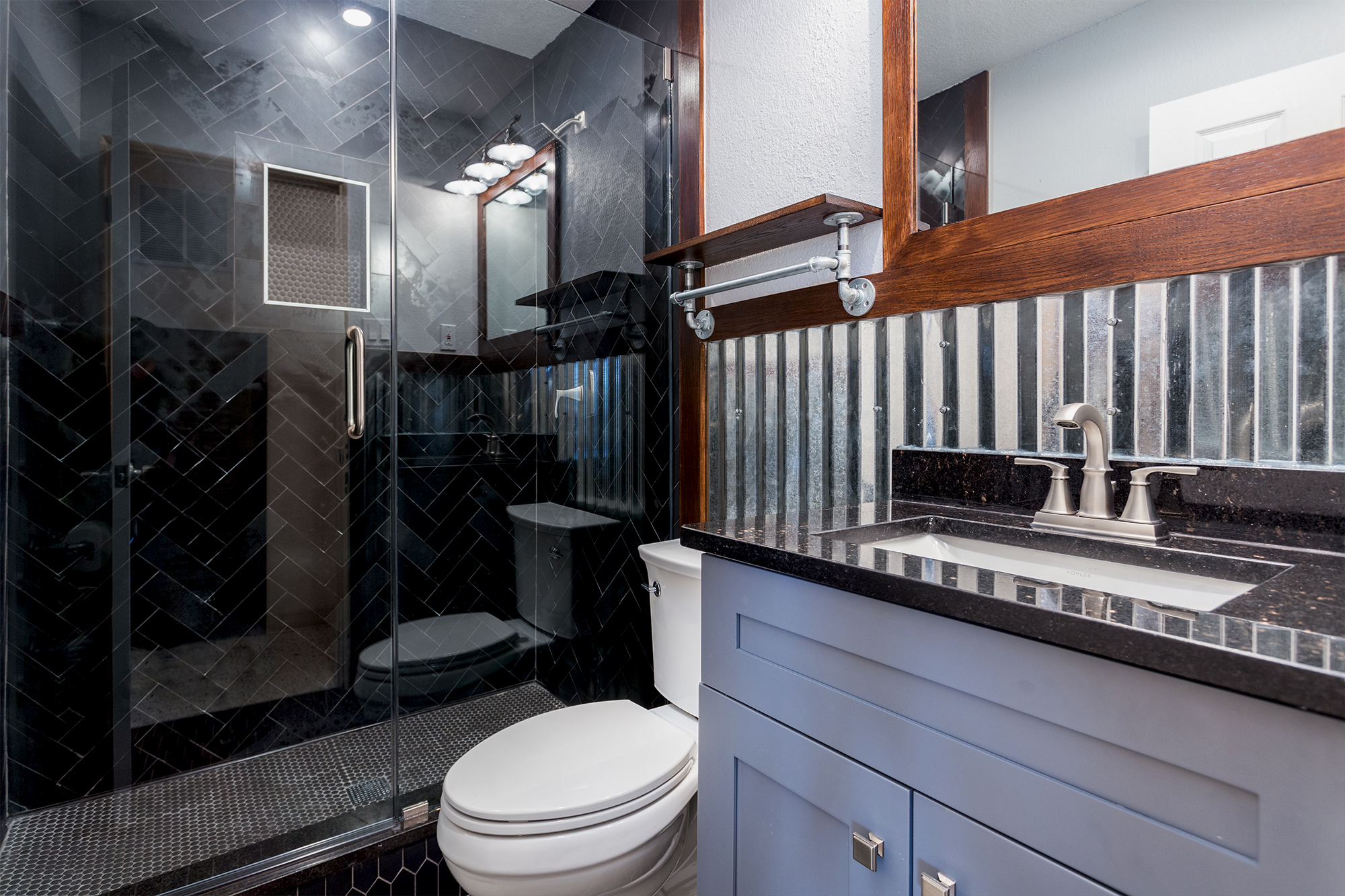
Bathroom remodels in Euclid-St. Paul's expose the full infrastructure story. Cast iron drain, waste, and vent piping in 1920s homes is 80–100 years old — decades past the 50–70-year expected lifespan. The 1920s bungalows on pier-and-beam foundations have easier plumbing access from beneath the floor, while the 1940s block cottages on slab-on-grade may require tunneling or trenchless methods. Budget $10,000–$30,000 for cast iron replacement on top of your bathroom scope.

Learn about bathroom remodeling →

Whole-Home Remodel

When you're updating a 100-year-old bungalow, the systems don't stop at one room. Knob-and-tube wiring runs through every wall. Cast iron serves every fixture. The panel limits every circuit. A whole-home remodel lets you address infrastructure comprehensively — rewire, replumb, upgrade the panel, and open the floor plan in one project instead of three. Our design-build approach means one team handles everything.

Learn about whole-home remodeling →

Euclid-St. Paul's Renovation Challenges

1920s Homes, Real Construction Realities

1. Knob-and-Tube Wiring Through Plaster-and-Lath

Homes built in the 1920s and 1930s in Euclid-St. Paul's likely have knob-and-tube wiring — porcelain knobs and tubes routing individual conductors through plaster-and-lath walls and ceilings. This isn't just outdated. Many insurance companies won't write policies on homes with active knob-and-tube, and the wiring wasn't designed for modern electrical loads.

The challenge is the plaster. Unlike drywall, plaster-and-lath is a two-layer system — hardened plaster over wood lath strips nailed to studs. Routing new wiring means opening walls strategically, fishing wire through narrow cavities between lath, and patching with skill to maintain the original wall texture. It's invasive, dusty, and slow compared to working in drywall. Budget $8,000–$15,000 for a full rewire, depending on home size and wall access. Some homeowners preserve plaster in visible rooms and accept surface-mounted conduit in utility areas — a practical compromise. Lead paint testing is also essential before cutting into any pre-1978 wall surface.

2. Cast Iron Plumbing on Its Last Decade

The same cast iron story plays out here as in every 1920s St. Pete neighborhood. Drain, waste, and vent piping in Euclid-St. Paul's homes is 80–100 years old. Florida's humidity and Tampa Bay's salt air corrode cast iron from both sides — inside from sewer gases, outside from moisture.

The mix of foundation types in this neighborhood affects how replacement works. The 1920s bungalows on pier-and-beam foundations let plumbers work from beneath the floor structure without cutting concrete — a significant cost advantage. The 1940s block cottages built on slab-on-grade require tunneling beneath the slab or trenchless pipe-bursting methods, which cost more. Either way, bundle the work with your next kitchen or bathroom remodel when walls are already open.

3. Craftsman Character Preservation Without a Review Board

Here's your advantage: Euclid-St. Paul's is not a designated historic district. No Certificate of Appropriateness. No preservation review board adding months to your timeline. You get the Craftsman character — exposed rafter tails, deep front porches, original wood siding, period trim profiles — without the regulatory layer that Old Northeast's Granada Terrace or nearby Kenwood's National Register district require.

But preserving character is still the right call for your home's value. Buyers pay a premium for original details done right. Matching existing trim profiles, refinishing original hardwood floors, and integrating modern systems invisibly requires finish carpenters who've done this work before — not a crew rushing through their first historic-era home. Our 20+ in-house carpenters have worked on 1920s bungalows across St. Pete's historic core.

Planning a renovation in your Euclid-St. Paul's bungalow?

Call 727-888-6161. We know what's behind plaster-and-lath walls in 1920s homes — and we bring the finish carpenters to put them back together right.

Permitting in Euclid-St. Paul's

All permits run through the City of St. Petersburg Development Services — not Pinellas County. Standard review timeline is 2–5 weeks.

Euclid-St. Paul's is not a designated historic district, and there is no overlay district restricting renovations. No Certificate of Appropriateness, no preservation board review, no exterior material restrictions. Standard city building permits cover all renovation work — interior and exterior. This is one of the significant practical advantages of remodeling in Euclid-St. Paul's compared to nearby designated districts.

There are also no HOA restrictions. Renovation decisions stay between you, your contractor, and the building department. And because the entire neighborhood sits in FEMA Zone X, there's no Substantial Improvement threshold to track. You can renovate to any scope without triggering flood elevation requirements — a constraint that limits renovation budgets in Shore Acres, Venetian Isles, and other bayfront neighborhoods.

Permit Timeline

2–5 weeks

City of St. Petersburg Development Services

Historic Review

None

No COA, no preservation board

Flood Zone

Zone X

No elevation requirements, no 49% rule

What Projects Cost in Euclid-St. Paul's

Renovation costs in Euclid-St. Paul's fall in the mid-to-upper range for St. Petersburg. Home values and finish expectations are below Snell Isle but above the citywide median, and the hidden infrastructure costs are identical to every 1920s neighborhood: cast iron, knob-and-tube, panel upgrades, and structural work for open-concept conversions.

Cost Ranges

Galley-to-Open Kitchen

$45,000–$65,000

Including structural beam, panel upgrade, cast iron assessment

Kitchen + Full Rewire

$55,000–$80,000

Add complete knob-and-tube replacement

Whole-Home Remodel

$150,000–$350,000

For $500K–$750K home value range

Pricing Model

Time & Materials

Open book, weekly reports

The advantage in Euclid-St. Paul's: no flood zone means no elevation requirements inflating your budget. In bayfront neighborhoods, the 49% Substantial Improvement rule can force a $200,000+ elevation project on top of your renovation scope. Here, every dollar goes into the home itself.

Our T&M pricing model means you see every invoice and get weekly budget reports. Old homes are full of surprises behind the plaster — we don't pad estimates to cover risk that may never surface. You pay for what your project actually costs.

For detailed breakdowns: kitchen remodel costs | home addition costs | historic renovation costs

THE REVOLUTION DIFFERENCE

WHY EUCLID-ST. PAUL'S HOMEOWNERS CHOOSE REVOLUTION

What sets us apart for 1920s bungalow renovations in Euclid-St. Paul's.

20+ W-2 CARPENTERS

In-house finish carpenters who’ve worked on 1920s Craftsman bungalows across St. Pete’s historic core. They match original trim profiles, work with plaster-and-lath, and integrate modern systems without destroying period character.

OPEN-BOOK T&M PRICING

Weekly budget reports. Every invoice visible. Old homes are full of surprises behind the plaster — we don’t pad estimates to cover risk that may never surface. You pay for what your project actually costs.

1920s HOME EXPERTISE

Knob-and-tube rewiring through plaster-and-lath. Cast iron drain replacement. 60-to-200 amp panel upgrades. Structural steel for open-concept conversions. We’ve done this work in Kenwood, Old Northeast, and the neighborhoods in between.

ZONE X BUDGET ADVANTAGE

No flood zone means no elevation requirements inflating your budget. No 49% Substantial Improvement rule. No historic review board adding months. Every dollar of your renovation budget goes into the home itself.

Our Process for Euclid-St. Paul's Projects

From First Call to Final Walkthrough

1

Infrastructure Assessment

Before design begins, we assess what’s behind your plaster walls: knob-and-tube status, cast iron condition, panel capacity, and structural load paths. This determines scope and budget range — no surprises at demo.

2

Scope & Design

Design and construction under one roof. We design around 1920s construction realities — structural steel for open-concept conversions, infrastructure upgrades integrated into the renovation scope, and Craftsman detail preservation planned from the start.

3

Permitting (City of St. Pete)

All Euclid-St. Paul’s permits run through City of St. Petersburg Development Services. Standard review is 2–5 weeks. No historic review, no HOA approval, no flood zone compliance — straightforward permitting.

4

Construction

In-house crew. Weekly budget reports. Open invoicing. Time & Materials pricing means you see every dollar. Our finish carpenters handle the detail work that matters in character homes — matching trim profiles, integrating new with original.

"We had multiple contractors tell us that our 100-year-old bungalow in Old Southeast should be torn down instead of remodeled. Revolution worked with us on an extensive plan to rebuild structural components and remodel the entire house."
St. Petersburg Homeowner
39 Five-Star Reviews
FL #CRC1331628 | #BC005541
25+ Years Experience
Licensed & Insured

Euclid-St. Paul's Renovation FAQs

What makes remodeling in Euclid-St. Paul's different from other St. Pete neighborhoods?

Three things set renovation here apart: the 1920s–1940s housing stock with knob-and-tube wiring and plaster-and-lath walls (more complex to work in than modern drywall), the complete absence of flood zone restrictions (FEMA Zone X — no 49% rule, no elevation requirements), and no historic district designation (no Certificate of Appropriateness, no review board delays). You get the Craftsman character and brick-street charm without the regulatory overhead of designated districts like nearby Kenwood or Old Northeast’s Granada Terrace. Add no HOA, and renovation decisions are between you, your contractor, and the city building department.

Does my Euclid-St. Paul's home need flood insurance?

No. The entire Euclid-St. Paul’s neighborhood sits in FEMA Zone X — outside the Special Flood Hazard Area. Standard mortgages don’t require flood insurance in Zone X. This also means the city’s 49% Substantial Improvement threshold doesn’t apply to your renovation. You can remodel to any scope without triggering flood elevation requirements — a major budget advantage over bayfront neighborhoods like Shore Acres, Venetian Isles, or Tierra Verde where the 49% rule can add $200,000+ in elevation costs.

How much does it cost to remodel a 1920s home in Euclid-St. Paul's?

It depends on scope and what’s behind the plaster — and at 80–100 years old, we can predict it: knob-and-tube rewiring ($8K–$15K), cast iron drain replacement ($10K–$30K), panel upgrade from 60 to 200 amps ($3K–$8K), and structural work for open-concept conversions ($8K–$20K). A full kitchen remodel in a Craftsman bungalow starts around $45K–$65K including infrastructure. We price everything on Time & Materials — open book, weekly reports, every invoice visible.

My Euclid-St. Paul's home has plaster walls. Can you work with them?

Yes. Plaster-and-lath requires different techniques than drywall — it’s a two-layer system that cracks differently, cuts differently, and patches differently. We open walls strategically for rewiring and replumbing, fish new conductors through lath cavities where possible, and patch to match the original texture and profile. In rooms where extensive wall opening is needed (kitchens, bathrooms), a full strip-to-stud and drywall replacement is sometimes more cost-effective than patching dozens of openings. We’ll assess your walls and recommend the approach that makes the most sense for your project and budget.

Is Euclid-St. Paul's a good neighborhood to buy and renovate in?

The fundamentals are strong. Median home values in the $500K–$750K range with renovated properties pushing toward $900K — that gap is your equity opportunity. You’re in Zone X (no flood insurance costs eating into your monthly budget), there’s no HOA restricting what you can do, and no historic district adding regulatory cost or timeline. The 1920s Craftsman character and original brick streets command premium resale values when the renovation is done right. The neighborhood sits between Historic Kenwood and Historic Uptown with walkable access to Crescent Lake Park, dining, and downtown — location fundamentals that hold value long-term.

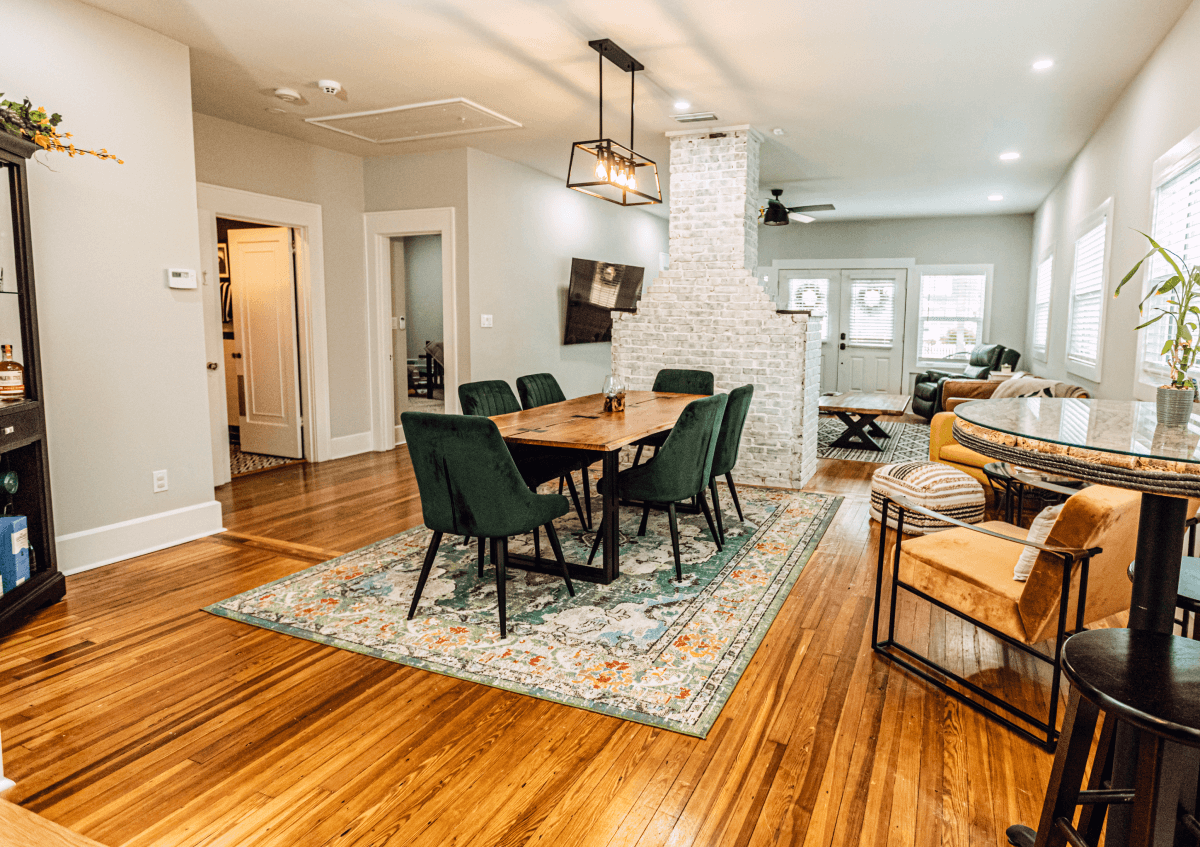
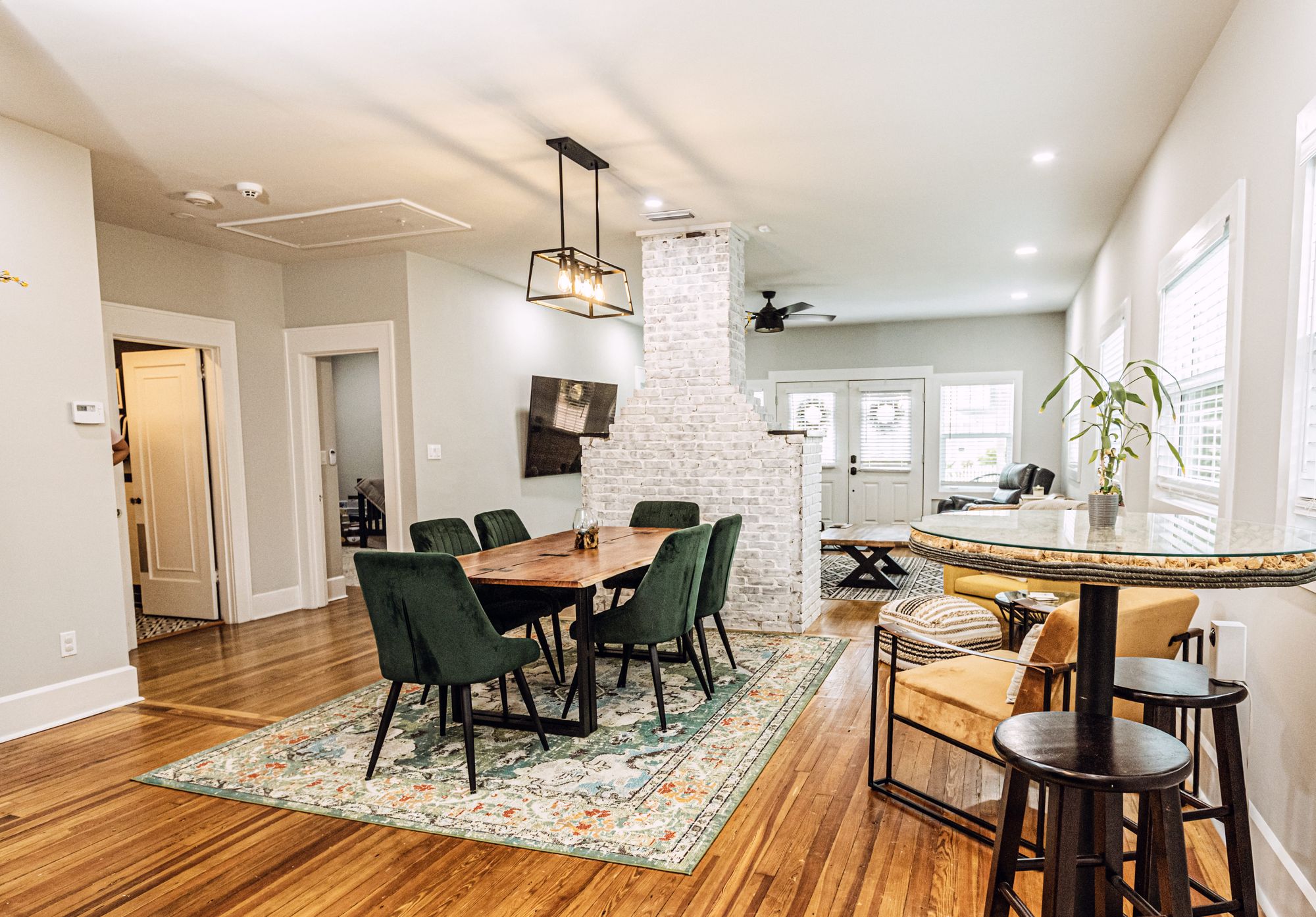
Completed kitchen remodel in a Craftsman bungalow by Revolution Contractors — open concept, modern cabinetry, original hardwood floors

SCHEDULE FREE CONSULTATION!