OPEN UP YOUR FLOOR PLAN
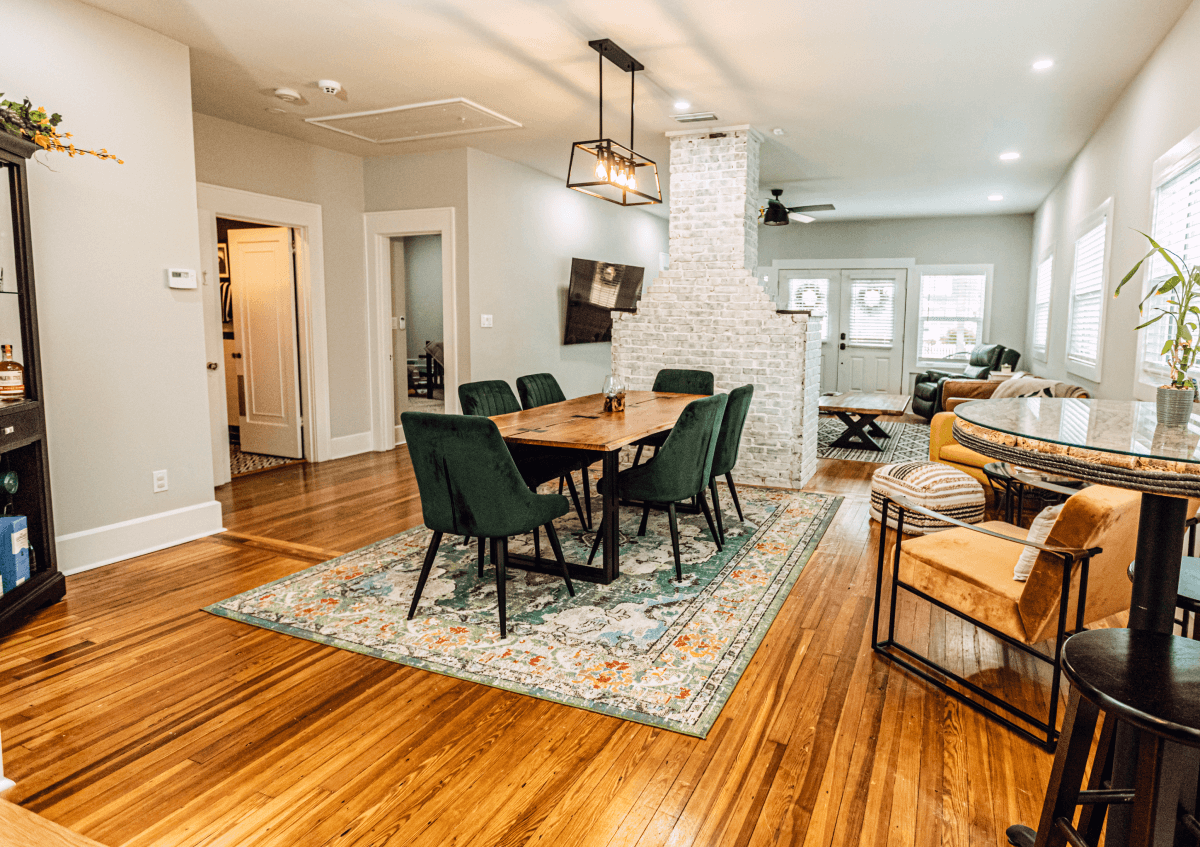
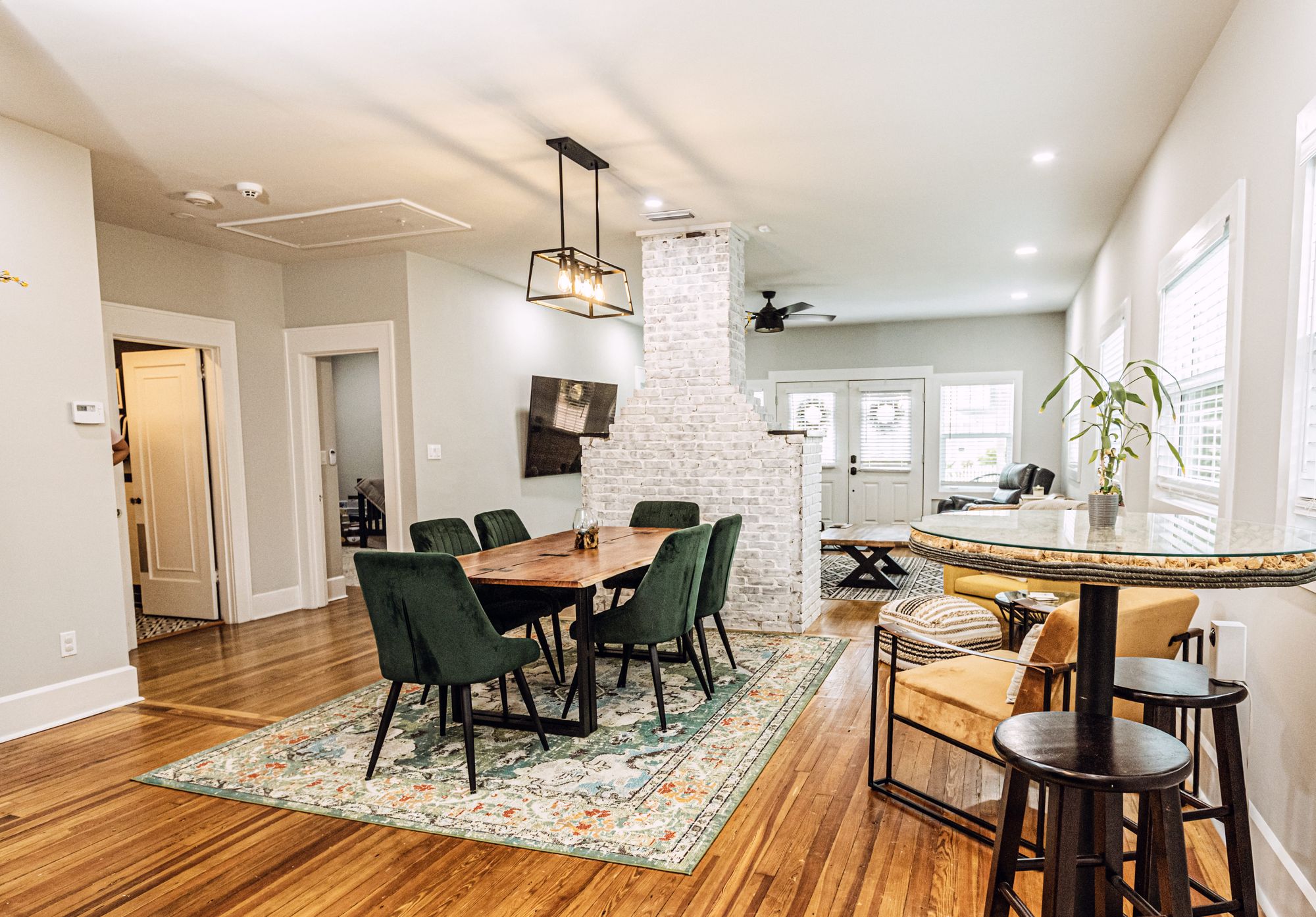
Remove walls and transform your home into an open, modern living space. We handle structural engineering, beam installation, and all finish work from design to final inspection.
Signs You Need an Open Floor Plan

Isolated Kitchen
Your kitchen is cut off from the living room, so you're stuck facing a wall while cooking. You miss out on family time and conversation because you're trapped in a separate room.

Choppy Floor Plan
Your home feels like a series of disconnected boxes—small rooms that don't flow together. You can't see from the kitchen to the living room, and every space feels cramped.

Dark, Cramped Rooms
Walls block natural light, making rooms feel smaller and darker than they should. The house feels closed in even though you have square footage. Opening up the walls would let light flow through.

Outdated Layout
Your home was built in the 1950s when every room was separate—formal dining room, closed kitchen, isolated living spaces. That worked then, but now it just feels old.
Our Open Floor Plan Process
Timeline
Simple Opening
Non-load-bearing wall, no major utilities
1-2 weeks
Structural Beam
Load-bearing wall, steel beam, utility relocation
3-4 weeks
Complex Opening
Multiple walls, second-story framing, major systems
6-8 weeks
Permitting adds 2-4 weeks in St. Petersburg before construction starts.
Sequence of Work
Structural Engineering
Engineer evaluates framing, calculates loads, sizes beam, provides stamped letter
Permitting
Submit engineer's plans to St. Pete building department, obtain permits
Beam Fabrication
Steel beam fabricated to engineer's specifications (2-3 weeks lead time)
Demolition
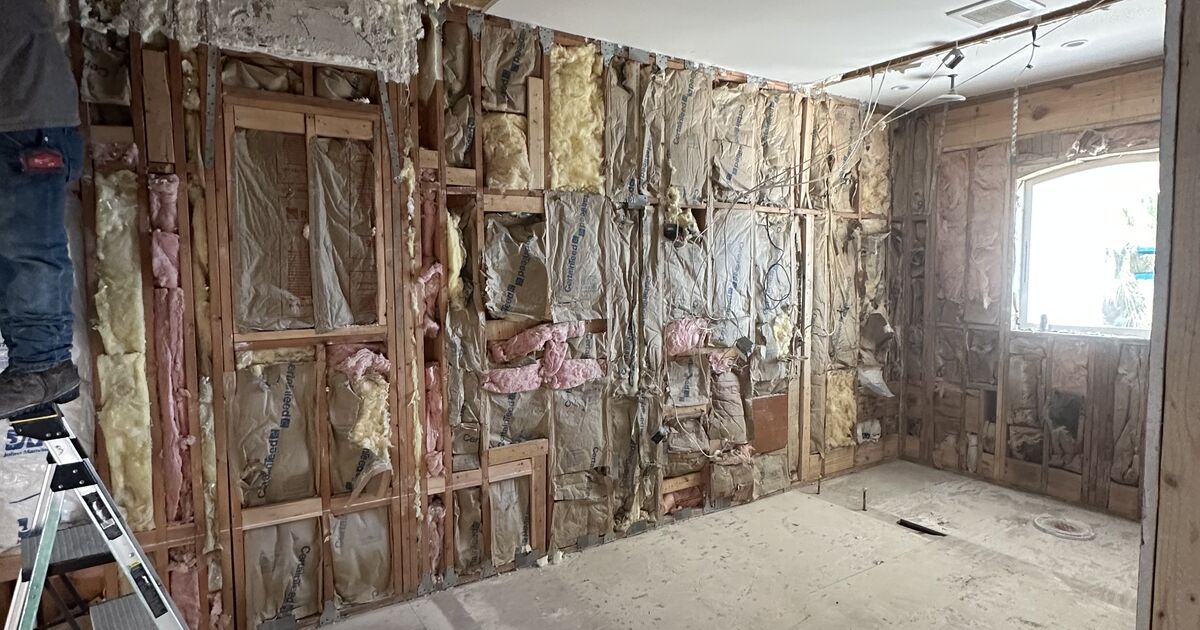
Remove drywall, expose framing, relocate utilities as needed
Beam Installation
Install temporary supports, remove wall studs, set beam, secure to posts or columns
Framing Inspection
City inspector verifies beam installation and structural connections
Drywall & Finish
Drywall around beam, match textures, paint, install trim
Flooring Transition
Blend flooring between rooms, install transitions if needed
Never Assume a Wall is Non-Load-Bearing
We've seen too many DIY disasters where homeowners removed a 'non-load-bearing' wall and ended up with sagging ceilings or cracked drywall. The only way to know for certain is to get a structural engineer involved. They'll look at the framing, calculate loads, and tell us what we're dealing with. The $800-$1,500 engineering fee is cheap insurance against a $30,000 structural repair.
Beam Lead Time
Steel beams are fabricated to order based on the engineer's specifications. Expect 2-3 weeks from order to delivery. We order the beam during permitting so it arrives when we're ready to install. LVL and glulam beams (engineered wood) are sometimes available locally with shorter lead times, but steel is more common for residential openings.
Open Floor Plan Cost in St. Petersburg
Non-Load-Bearing Wall
$8K–$15K
Simple wall removal, minimal utility relocation, drywall repair, paint, flooring transition
Load-Bearing Wall + Beam
$15K–$35K
Single load-bearing wall removal with steel beam installation, structural engineering, permits, utility relocation
Major Structural Changes
$35K–$60K+
Multiple load-bearing walls, complex beam systems, second-story framing adjustments, major plumbing relocations
Creating an opening in a load-bearing wall requires structural engineering: Every project starts with a licensed structural engineer who calculates loads, sizes the beam, and provides a stamped letter for permitting. This costs $800-$1,500 and is non-negotiable—St. Pete won't issue a permit without it.
What Drives Costs
- •Beam span: Longer spans require larger, more expensive beams (steel I-beams, LVL, glulam)
- •Ceiling height: Taller ceilings mean taller beams, which cost more and are harder to install
- •Utility relocation: Electrical is cheap; plumbing is expensive, especially if drains need to move
- •Structural engineering: Required for load-bearing walls ($800-$1,500)
- •Finish work complexity: Matching flooring, blending drywall textures, painting open spaces adds up
What Causes Overruns
- •Hidden utilities in walls: Drain stacks, vent lines, or electrical panels we can't see until demo
- •Old framing surprises: Weird joist configurations, undersized headers, previous DIY work that wasn't done right
- •Slab cutting for plumbing: If drains need to relocate and you're on a concrete slab, that's several thousand immediately
- •HVAC adjustments: Removing walls can affect airflow and ductwork routing
- •Permit delays: If the engineer's calcs need revisions or the city has questions, timeline stretches
Ready to Discuss Your Open Floor Plan Project?
Get expert guidance on structural engineering, beam installation, and transforming your St. Petersburg home.
Understanding Load-Bearing Walls
What Makes a Wall Load-Bearing?
Load-bearing walls carry the weight of the structure above them—roof, second floor, ceiling joists, whatever's up there. Remove one without proper support, and you're looking at sagging ceilings, cracked drywall, or worse.
Most load-bearing walls run perpendicular to the floor joists and are located near the center of the house. But here's the thing—you can't tell for certain just by looking. We've seen walls that looked structural turn out to be partition walls, and walls that looked harmless turn out to be holding up half the house.
That's why we always bring in a structural engineer before we touch anything. The engineer gets into the attic or crawlspace, looks at what's actually sitting on the wall, and tells us what we're dealing with. No guessing.
How We Identify Load-Bearing Walls
The structural engineer looks for several things:
- •Joist direction: If ceiling joists run parallel to the wall, it's probably not load-bearing. If they run perpendicular or end at the wall, it might be.
- •Location: Center walls are often load-bearing because that's where builders put the main support beam in the original construction.
- •Foundation support: Load-bearing walls usually sit directly above a beam or foundation wall in the basement or crawlspace.
- •Framing above: If there's a wall or beam directly above on the second floor, the wall below is probably load-bearing.
The engineer sizes the beam based on span (how wide the opening is), load (what's sitting on top), and code requirements. Longer spans need bigger beams. Two-story homes need beefier beams than single-story homes.
The Engineering Process for Structural Openings
Before we remove a load-bearing wall, a licensed structural engineer needs to evaluate the framing, calculate loads, and design the beam system. This isn't optional—St. Petersburg building department won't issue a permit without a stamped engineer's letter. Here's how it works.
What the Engineer Does
The structural engineer visits your home and examines the framing. They look at what's sitting on top of the wall (roof, second floor, nothing), measure the span of the opening you want, and calculate how much weight the new beam needs to carry.
They'll specify beam type (steel I-beam, LVL, glulam), beam size (depth and width), and how the beam connects to the structure (posts, columns, or pockets in the existing framing). They also specify fasteners, joist hangers, and temporary support requirements during construction. Their calculations account for dead loads (the weight of the building itself) and live loads (people, furniture, snow—though snow isn't a big issue in Florida). They add safety factors required by Florida Building Code.
Beam Options
Steel I-beams
Most common for residential openings. Strong, relatively affordable, available in standard sizes. Downside: visible unless you box it in with drywall.
LVL (Laminated Veneer Lumber)
Engineered wood beams. Lighter than steel, easier to work with. Good for shorter spans. Can sometimes be hidden in the ceiling cavity.
Glulam (Glued Laminated Timber)
Similar to LVL but often used for exposed beams where you want a wood look. More expensive than steel for comparable strength.
We Coordinate Everything
Revolution handles the entire engineering and permitting process. We bring in the engineer during pre-construction, submit plans to the city, order the beam, and schedule inspections. You don't have to chase down engineers or wait at the permit office—we handle it. That's part of what you're paying for.
Permits for Structural Changes in St. Petersburg
Any structural work in St. Petersburg requires a building permit. If you're removing a load-bearing wall, you need a structural engineer's letter and city approval before you start. Here's what requires permits and what doesn't.
Requires a Permit
- •Removing or modifying load-bearing walls
- •Installing structural beams (steel, LVL, glulam)
- •Any work affecting the home's structural system
- •Electrical work inside the wall (circuits, outlets, switches)
- •Plumbing work inside the wall (supply lines, drains, vents)
- •Framing changes (headers, joists, studs)
No Permit Needed
- •Removing non-load-bearing partition walls (technically)
- •Cosmetic repairs (drywall, paint, trim)
- •Flooring replacement (same location)
- •Cabinet removal or installation (no structural changes)
Note: Most contractors pull permits even for non-load-bearing walls if electrical or plumbing is involved. You want documentation that the work was inspected.
Permit Timeline in St. Petersburg
- •Submission: Structural plans submitted to City of St. Petersburg building department (Municipal Services Center, One 4th St. N)
- •Review time: 2-4 weeks for structural permits (can be faster for simple projects)
- •Cost: Varies by project scope; typically $200-$800 for structural work
- •Inspections required: Framing inspection after beam installation, final inspection after drywall and finish work
- •Inspection scheduling: Next-day inspections available if requested by 3:30 PM
Don't Skip Permits
We've been asked to do structural work without permits. The answer is always no. Unpermitted structural work shows up in home inspections when you sell, and buyers will walk or demand money off the price to fix it properly. Worse, your homeowner's insurance can deny claims if they find out you did unpermitted structural modifications. It's not worth the risk—just pull the permit and do it right.
WHY CHOOSE REVOLUTION FOR OPEN FLOOR PLANS
What sets us apart from other contractors in St. Petersburg.
IN-HOUSE LABOR
Our skilled craftsmen are Revolution employees, not subcontractors. This means better quality control, accountability, and a team that truly cares about your project.
T&M TRANSPARENCY
Our Time & Materials billing model means you see exactly where every dollar goes. No hidden markups, no surprises—just honest, transparent pricing.
LOCAL EXPERTISE
Deep knowledge of St. Petersburg permits, historic district requirements, and coastal building codes. We navigate local regulations so you don't have to.
STRUCTURAL EXPERTISE
Load-bearing wall removal, beam sizing, and engineering coordination. We work directly with licensed structural engineers to ensure your open floor plan is safe and code-compliant.
Open Floor Plan Frequently Asked Questions
How long does it take to open up a floor plan?
A simple non-load-bearing wall removal takes about 1-2 weeks from start to finish. If we're removing a load-bearing wall and installing a steel beam, plan on 3-4 weeks—structural engineering adds time, and the beam needs to be fabricated to spec. More complex projects involving multiple walls, major utility relocations, or structural changes to second-story framing can stretch to 6-8 weeks. Permitting in St. Pete typically adds 2-4 weeks before we start.
How much does it cost to remove a load-bearing wall in St. Petersburg?
Removing a load-bearing wall and installing a steel beam typically runs $15,000-$35,000. That includes the structural engineer's letter ($800-$1,500), permits, beam fabrication, installation, drywall repair, paint, and utility relocations. The biggest variables are beam span (longer spans need bigger, more expensive beams), ceiling height, and what utilities are in the wall. Simple openings in non-load-bearing walls start around $8,000-$12,000.
Do I need permits to remove a wall in St. Petersburg?
Yes, if the wall is load-bearing. Any structural work requires a building permit and a structural engineer's letter. St. Pete building inspectors want to see the engineer's calculations and beam specifications before they'll issue the permit. Non-load-bearing walls technically don't require permits, but most contractors pull them anyway—you want documentation that the work was inspected. If you're touching electrical or plumbing inside the wall, those trades require separate permits regardless of whether the wall is load-bearing.
How do I know if a wall is load-bearing?
Load-bearing walls typically run perpendicular to floor joists and are usually located near the center of the house. But here's the thing—you can't tell for certain without getting into the attic or crawlspace to see what's actually sitting on top of the wall. That's why we always bring in a structural engineer before we touch anything. The engineer will look at the framing, calculate loads, and tell us exactly what we're dealing with. Assuming a wall is non-load-bearing is how you end up with sagging ceilings—or worse.
What is structural engineering and why do I need it?
A structural engineer is a licensed professional who calculates loads, sizes beams, and stamps plans that the building department will accept. When you remove a load-bearing wall, all the weight it was holding—roof, second floor, whatever's above—needs to transfer to a beam. The engineer figures out what size beam you need (steel, LVL, glulam) based on span, load, and building code. Their letter is required for permitting. Cost is usually $800-$1,500. It's not optional—St. Pete won't issue a permit without it.
Will opening up my floor plan affect my home's value?
Almost always yes, in a positive way. Open floor plans are what buyers expect now—closed-off kitchens and choppy layouts feel dated. We've seen kitchen-to-living room openings add $20,000-$40,000 in appraised value on Old Northeast and Kenwood homes. That said, don't plan the renovation for future buyers. Buyers will laugh at features you installed for their benefit that they won't use. Build it for how you actually live—the value follows from that.
What happens to electrical and plumbing in the wall?
We relocate it. Electrical is straightforward—we reroute wires through the attic or adjacent walls. Plumbing is trickier and more expensive. If there are water supply lines, we reroute them. If there's a drain or vent stack, that's a bigger deal—drain lines are bulky and gravity-dependent, so relocating them often means cutting into the slab or running new lines overhead. This is why we scope out utilities before we quote the job. Surprises in the walls can add several thousand dollars.
How does Revolution handle structural changes like this?
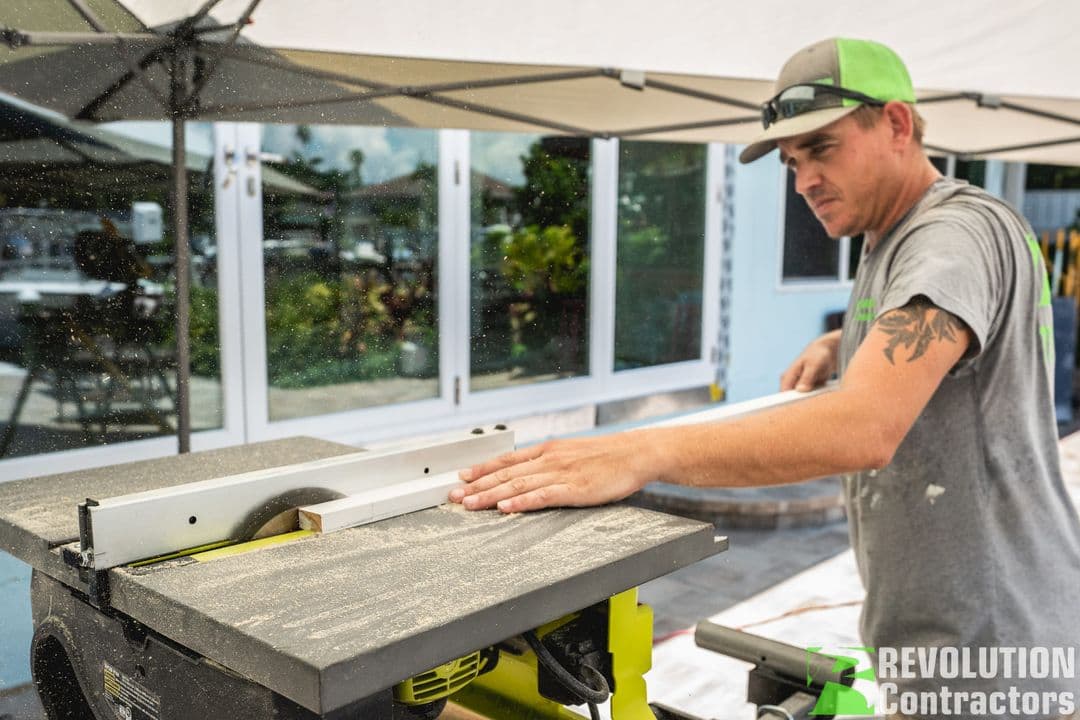
We coordinate the whole thing. We bring in the structural engineer during pre-construction, get the beam sized and specified, pull permits, order the beam (which takes 2-3 weeks to fabricate), schedule inspections, and handle all the trades. Our carpenters do the demo, framing, drywall, and finish work—we don't sub that out, which means we control the timeline. You'll see every invoice and get weekly budget updates. No surprises.
LOVED BY OUR CUSTOMERS
Nothing means more to us than making our clients happy, unless perhaps it is making them so happy they come back to us or refer us to their friends and family!
"We had multiple contractors tell us that our 100-year old bungalow in Old Southeast should be torn down instead of remodeled. Revolution worked with us on an extensive plan to rebuild structural components and remodel the entire house. Now we have the best house in the block!"
"The guys at Revolution have done projects for us in two houses now. They added a master bathroom for us in northeast St Pete and then remodeled every square inch of a 4500-sq. ft house in Pinellas Pt. Through every challenge over two years of construction they have been there pushing our projects forward. We wouldn't use anybody else!"
"Awesome company! I had Revolution Contractors do some work on my house and did an amazing job!!! The guys there are great to work with and very professional and knowledgeable on there work. I am very happy they way there work came out and will be getting more work done on my house from them."
"Find them to be very professional, provide sufficient info for bidding, easy to contact, and most importantly they pay good. All and all NuTrend really enjoys a very productive and lucrative relationship with Revolution Contractors would recommend them and do often"
"On a challenging structural project for an investment property Revolution saw me through all sorts of headaches with the building department and were able to carry off multiple layout changes with gorgeous results. They've done multiple projects for my family as well as my group of closest friends and are now working on my primary residence!"
"Revolution Contractors have helped my family on numerous projects, providing guidance and honesty throughout all projects. The crew is hardworking and reliable. The owners are quick to respond and very honest. Definitely would recommend!"