Historic Home Renovation in St. Petersburg: What You Need to Know

If you own a home in one of St. Petersburg's historic neighborhoods — Old Northeast, Kenwood, Roser Park, Old Southeast, Granada Terrace, or Ingleside — you're not dealing with a standard remodel. The materials are different, the regulations have a second layer, and opening a wall means finding out what a hundred years of deferred maintenance actually looks like. This guide covers what makes historic renovation in St. Pete distinct, how the COA process actually works, what's hiding in those walls, and what it costs. When you're ready to talk to historic home renovation contractors, you'll know exactly what questions to ask.
The Architecture You're Working With
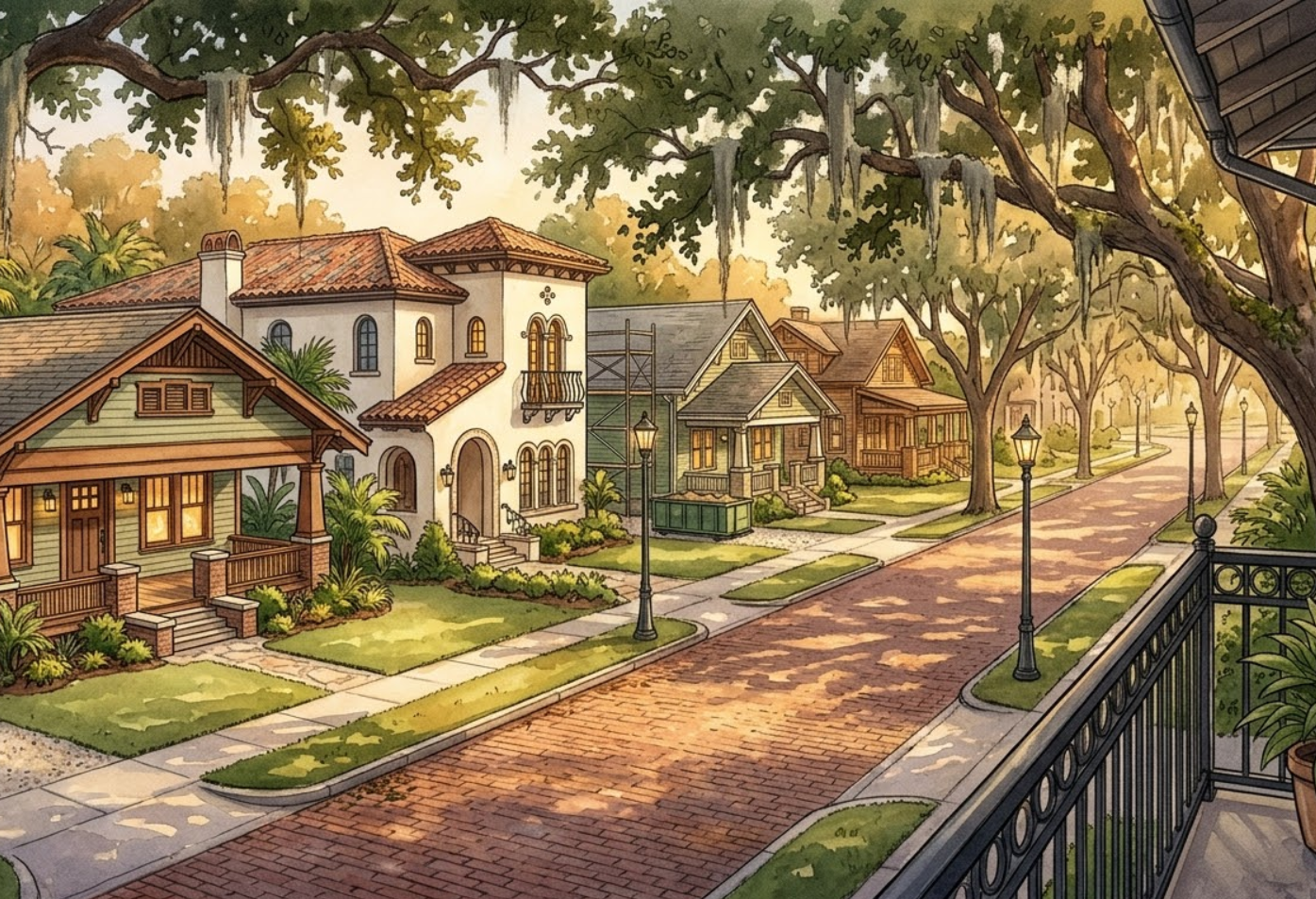
St. Pete's historic neighborhoods each have their own character, but they share a common era: most homes were built between the early 1900s and the 1940s. Knowing your style matters because each has its own restoration logic.
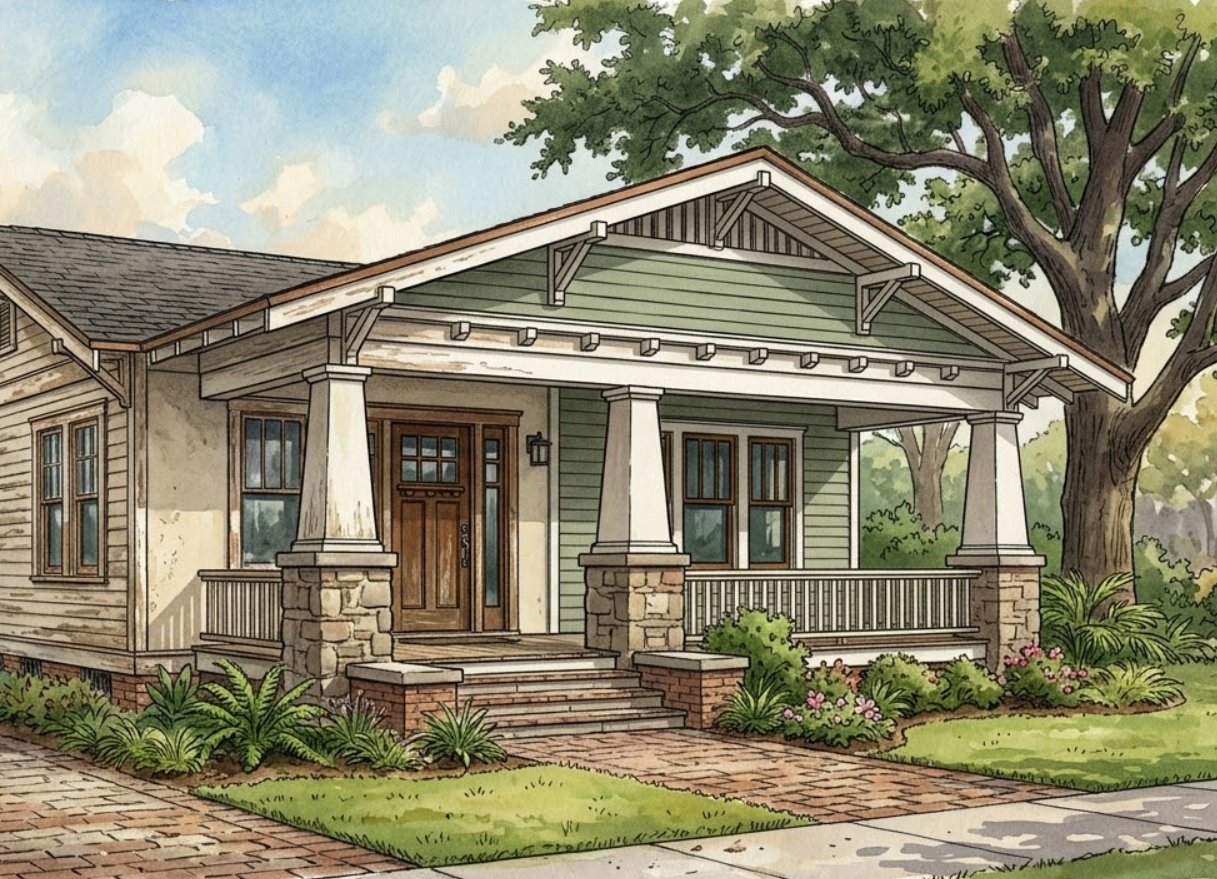
Craftsman Bungalow dominates Old Northeast and Historic Kenwood — Kenwood alone has over 2,000 historic structures, more than half bungalows. Low-pitched roofs, exposed rafter tails, front porches, and tapered columns reflect their handbuilt origins. Renovation work means replicating those details, which requires real carpentry skill.
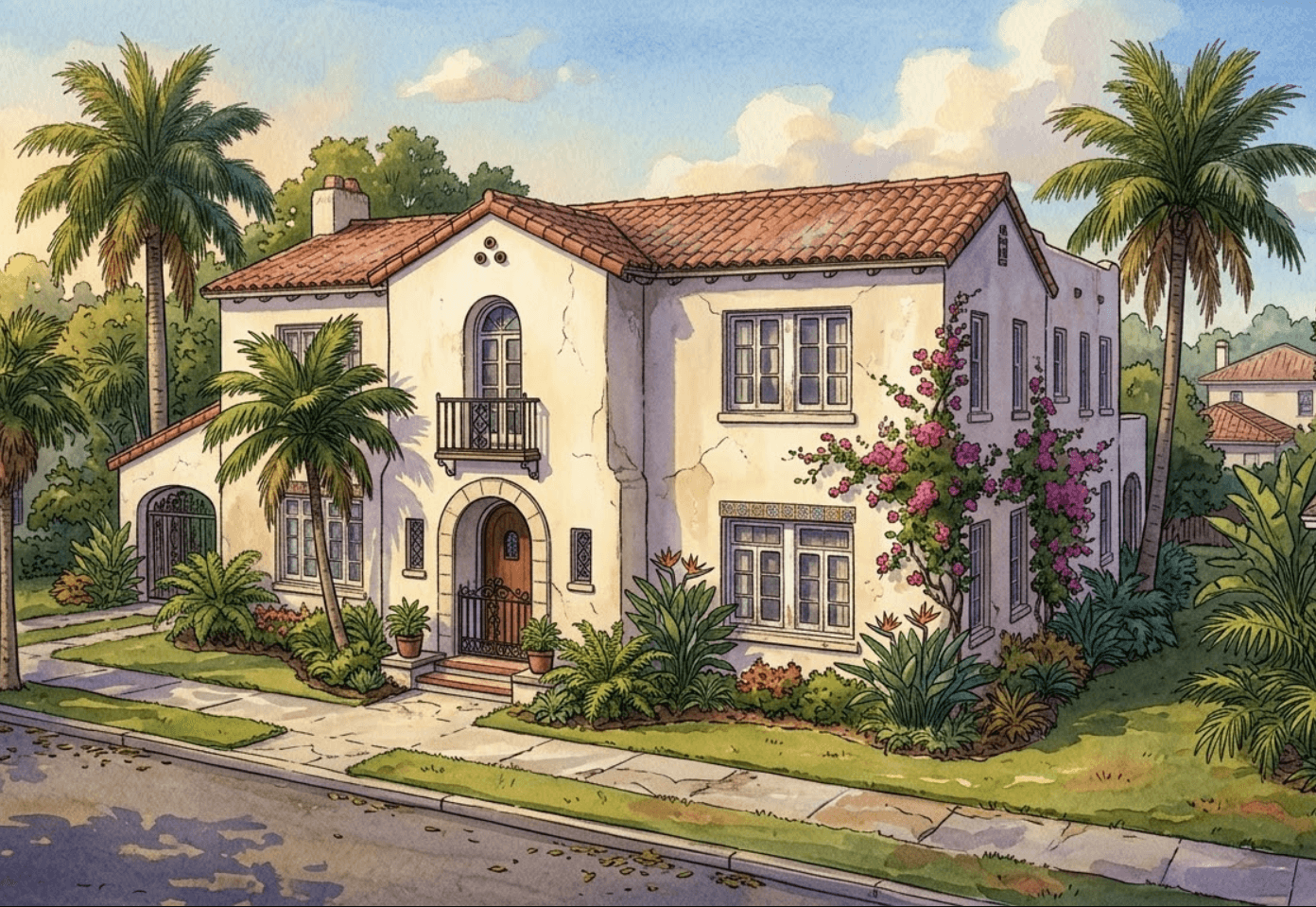
Mediterranean Revival is concentrated in Granada Terrace and parts of Old Northeast. Smooth stucco, arched openings, red clay tile roofs. Stucco delamination is the signature problem — humidity drives it, and matching a century-old texture requires a plasterer who's done it before.
Colonial Revival and Tudor Revival appear across Kenwood, Crescent Heights, and Euclid-St. Paul's. More structurally conventional, but the exterior detailing — window surrounds, cornices, columned porticos — demands the same precision.
Key West bungalow style defines Old Southeast, with its own tropical vernacular and hex-block sidewalks.
That 1900s-1940s age range is the first thing any contractor working in these neighborhoods needs to take seriously.
What's Actually Regulated — And What Isn't
This is where most homeowners get the story wrong, usually from a well-meaning real estate agent or a neighbor who went through a renovation years ago. Let's sort it out.
National Register designation — Old Northeast's 2003 listing is primarily honorary for residential properties. It does not restrict what you can do inside your home. It does not restrict what you can do outside. If your home is on the National Register but not in a local historic district, you can renovate freely. There's a tax benefit tied to the designation (more on that below), but no design review.
Local Historic Districts — This is where the Certificate of Appropriateness (COA) process applies. Granada Terrace is the largest local historic district within Old Northeast, plus three smaller one-block designations and 10 individual local landmarks. If your property is in one of these, you need a COA for exterior changes visible from the public way.
Here's what the COA process actually looks like:
- Minor changes (like-for-like material repairs, paint color changes, mechanical equipment in non-visible locations) — staff-level approval, often same day to one week.
- More significant changes (additions, porch modifications, window or door replacements that change style or material, siding changes) — Historic Preservation Commission review, typically 4 to 6 weeks on paper. In practice, Jeremy says the historic preservation department “very easily adds two to four months, and possibly more if there needs to be any sort of variance or board hearing.” The department is not known for speed.
- Interior modifications, routine maintenance, landscaping — No COA required at all.
The number that most people don't know: the City of St. Petersburg's Historic Preservation Office has approved 97% of COA applications since the program began in 1987. Your project will almost certainly get approved — the question is how long the back-and-forth takes. Working with contractors who understand the submission requirements and can produce the documentation the review board wants is the difference between a manageable timeline and months of delays.
What's Inside Those Walls
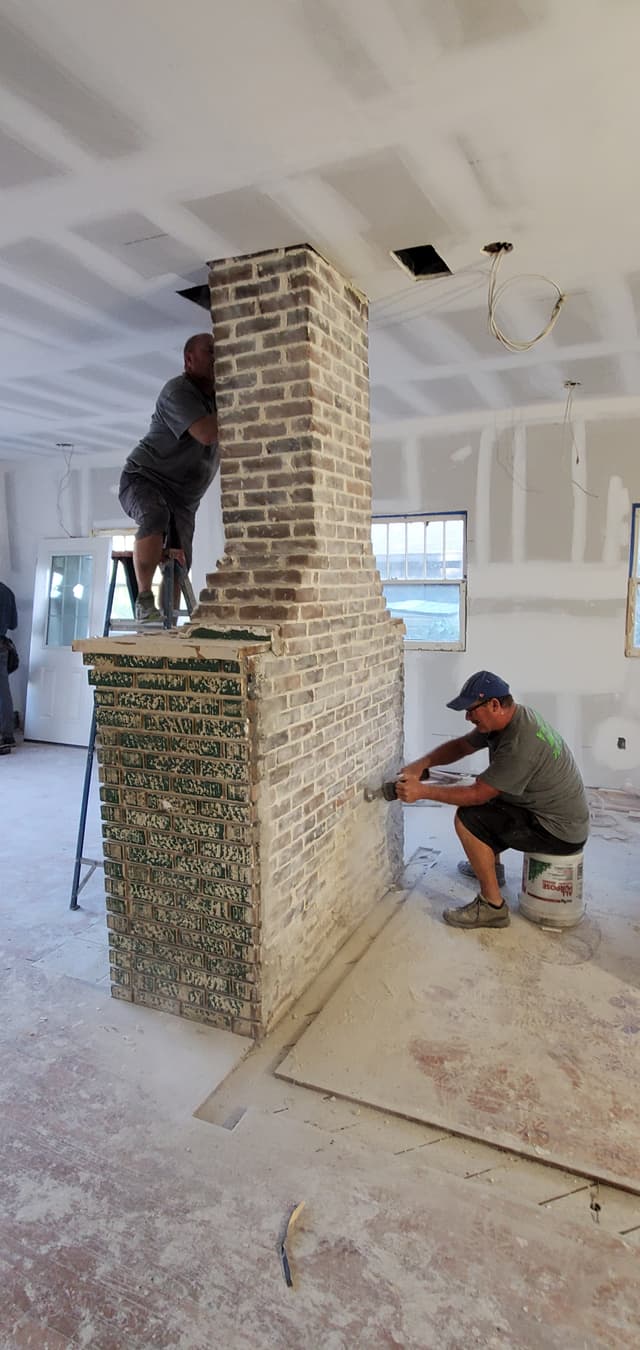
This is the section that matters most for your budget. A 90 to 125-year-old home in Florida carries a specific set of problems behind the drywall — or more accurately, behind the lath-and-plaster that predates drywall. These aren't possibilities. In homes this age, they're near-certainties.
Knob-and-tube wiring. Standard in homes built before the 1940s. It's not just outdated — many insurance companies will refuse to cover a home with active knob-and-tube, or they'll require replacement before issuing a policy. If your home hasn't had a full rewire, assume it hasn't.
Galvanized plumbing. These pipes corrode from the inside out over decades. Signs include low water pressure, discolored water, and eventual pinhole leaks. In a full renovation, galvanized supply lines almost always need to go. Many of these same homes also have cast iron drain lines that are equally deteriorated — and best replaced while walls are open.
Lead paint. The EPA estimates that 87% of homes built before 1940 contain lead paint. Any renovation that disturbs painted surfaces requires compliance with EPA's Renovate, Repair, and Paint (RRP) rule — which means certified contractors, containment procedures, and proper disposal. This adds time and cost, and there's no way around it.
Asbestos. It was a standard building material through much of the 20th century. It can be in the floor tiles, pipe insulation, roofing materials, ceiling texture, and joint compound. It has to be tested before it's disturbed. If it's present and friable, it has to be abated.
Lath-and-plaster walls. Beautiful in an intact 1920s home. Complex when you're running new electrical, plumbing, or HVAC. Opening sections requires skilled repair — knowing when to restore plaster vs. when period-appropriate drywall is acceptable takes judgment.
Pier-and-beam foundations. Most Old Northeast homes sit on pier-and-beam, which is correct for Florida's humidity management. After a century, mortar can break down, piers can settle unevenly, and floors can develop a noticeable lean. If you've noticed doors that stick or floors that aren't quite level, foundation assessment belongs in your pre-construction scope.
Non-standard framing dimensions. Lumber shrinks over a hundred years. Standard modern materials don't always fit standard openings in these homes — which means custom work, not just a box of stock lumber from the yard.
None of this is a reason to avoid a historic renovation. It's a reason to budget for what you'll actually find. Contractors who promise you a fixed price on a home this age are building in contingency for themselves — every dollar of that buffer comes back to them whether the surprises show up or not.
What Historic Renovation Actually Costs in St. Pete
The honest answer: significantly more than a standard renovation of equivalent square footage. For the full cost breakdown, see our historic renovation cost guide. Full historic restoration nationally runs in the range of $350 to $500 per square foot. In St. Petersburg, a realistic budget for a full historic renovation — one that addresses the structural, systems, and finish work at a high level while preserving character — is in the $200 to $400+ range per square foot depending on the scope and what you find in the walls.
The wide range is real, and it reflects the hidden-scope problem described above. A home that's had prior electrical and plumbing updates costs differently than one that hasn't been touched since 1940.
A few specific cost drivers worth understanding:
- Period-appropriate windows: $1,000 or more per window for historically correct replacements (vs. $200-400 for standard windows). COA districts often require like-for-like replacement — which means you may not have the option to substitute a standard vinyl unit even if you wanted to.
- Plaster repair: Substantially more expensive than patching drywall. If your walls have significant damage or sections that need to be reopened, plaster work is a skilled trade.
- Lead and asbestos remediation: Adds to project cost and timeline. Non-negotiable.
- Custom millwork: Crown molding, door casings, window surrounds — the trim details that give these homes their character — often can't be ordered from a catalog. They have to be milled to match.
One financial angle that almost no contractor mentions: the 10-year property tax freeze. The City of St. Petersburg offers a 10-year freeze on city and county property taxes on the increase in assessed value that results from a qualifying historic rehabilitation. If you're doing substantial rehab on an eligible property, the tax savings over a decade can offset a meaningful portion of the renovation cost. This requires an application to the city, and not every project qualifies — but if yours does, it's real money that should factor into your renovation math.
Ready to Talk About Your Historic Home?
Get a consultation from contractors who've done this work across St. Pete's historic neighborhoods.
Why In-House Carpenters Matter for This Work
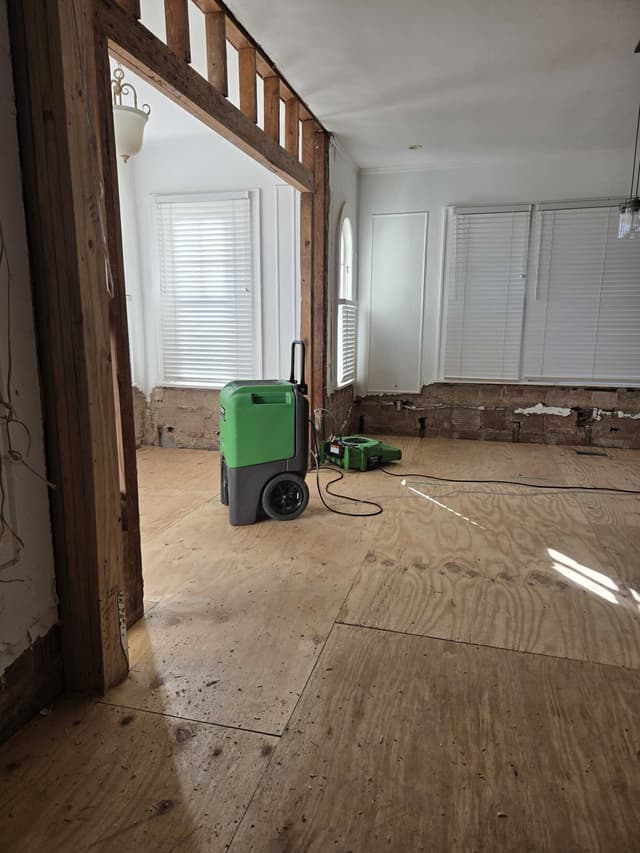
Most contractors in St. Pete don't have carpenters on payroll. They have a rolodex of subs they call when work comes in. For standard residential remodeling, that model works. For historic renovation, it doesn't.
Historic renovation requires custom millwork, plaster repair, period-appropriate window and door work, and finish carpentry details that need an eye for proportion and historical context. These aren't skills you can hire off a Craigslist post for the week. They come from carpenters who've done this specific type of work repeatedly.
Revolution has a team of about 20 W-2 carpenters and carpenter apprentices on payroll. They work for us — not for whoever's paying the most that week. When you're three weeks into a renovation and the walls are open and the timeline is real, that matters. Our carpenters aren't waiting for a sub crew to show up. They're already there.
Jeremy, our owner, is direct about what historic work demands: “It's a lot of custom work. The finishes are a lot higher. They demand a higher skillset from carpenters.” That's not a marketing line — it's what the work actually takes.
Wondering what your historic renovation will cost? See our full cost breakdown with real St. Pete numbers, or contact us to walk through your specific project.
Questions to Ask Any Contractor You're Considering
If you're interviewing contractors for a historic renovation in St. Pete, here's what separates those who understand this work from those who don't:
- Do you have carpenters on payroll, or do you sub out your finish work? This tells you immediately whether you're talking to a builder or a coordinator.
- Have you submitted a COA application to the City of St. Petersburg Historic Preservation Office? If they haven't navigated the process themselves, you're going to be their first experiment with it.
- How do you handle scope changes when we open the walls? The answer tells you everything about their pricing model. Fixed-bid contractors will either pad the estimate to cover themselves or tell you change orders come at a premium. A T&M contractor should be able to explain exactly how you'll see every cost and approve every decision.
- Can you show me a comparable historic project you've completed in St. Petersburg? St. Pete's permit authority, review board, and building department are distinct from Pinellas County and neighboring cities. Experience here matters.
Revolution's Track Record in St. Pete's Historic Neighborhoods
All of our historic renovation work has been in St. Petersburg — Old Northeast, Kenwood, Roser Park, Old Southeast, and Snell Isle. Jeremy has been building and renovating in this city for 20 years. You can see the full scope of what we do on the historic renovation services page.
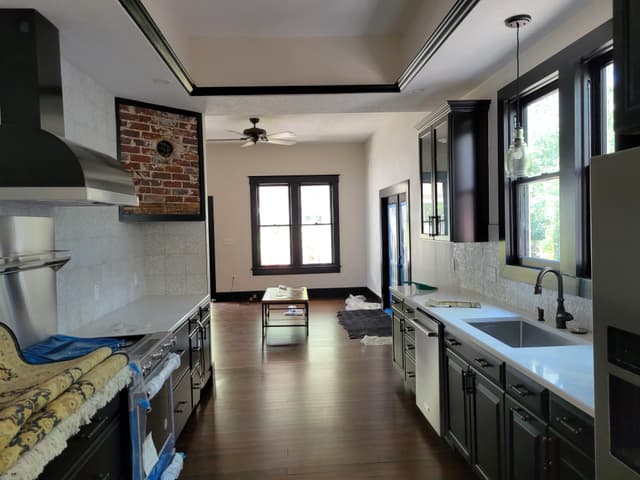
Our most talked-about historic project started with a house that, honestly, probably should have been torn down. Instead, we rebuilt it from the studs out while preserving as much of the original framing, woodwork, and doors as the structure would allow. The result was a hundred-year-old home with the bones of its character intact and modern systems underneath. That project won a Preserve the Burg award — and more importantly, it's the kind of work we'd put our name on.
We operate on Time & Materials (T&M) — meaning you pay for what the project actually costs. You get a weekly budget report and access to every invoice. No padded estimates, no contingency built in to protect us from what we find in your walls. For historic renovation specifically, where the unexpected is the expectation, T&M is the model that works in your favor.
If you're ready to talk through what your historic renovation involves, let's start with a consultation. We'll tell you what we see and what it'll cost — no surprises.
Frequently Asked Questions
Do I Need a Certificate of Appropriateness to Renovate My Historic Home?
It depends on your designation. If your property is in a local historic district (Granada Terrace, Mirror Lake, or one of the smaller block designations), yes — exterior changes visible from the public way require a COA from St. Petersburg's Historic Preservation Office. Interior work, routine maintenance, and landscaping don't require COA review regardless. If you're only in a National Register district (like the broader North Shore or Kenwood districts), that designation is honorary for residential properties — no COA required. Check your status at stpete.org or call the Historic Preservation Office.
How Long Does the COA Approval Process Take?
Minor changes reviewed at staff level can be approved same day to within a week. Larger changes requiring Historic Preservation Commission review officially run 4 to 6 weeks, but in our experience the department can easily add two to four months to your project timeline — sometimes more if variances or board hearings are involved. The 97% approval rate since 1987 tells you the commission isn't in the business of blocking renovations. But getting through the process efficiently requires a contractor who knows exactly what documentation the board wants and has submitted COA applications before.
Can I Replace the Windows in My Historic Home?
Yes, but the rules depend on your designation. In a local historic district, window replacements that change the style or material typically require COA review. The commission prefers like-for-like or historically appropriate substitutes — wood or aluminum-clad windows designed to match the originals, not vinyl units. Historically correct replacements run $1,000+ per window, but they're the right call for both the preservation review and the long-term character of the home.
What Structural Problems Are Most Common in St. Pete's Historic Homes?
Pier-and-beam foundation settling (uneven floors, sticking doors), lath-and-plaster wall damage, wood rot at sills and siding (especially south and west elevations where Florida sun and rain hit hardest), stucco cracking on Mediterranean Revival homes, and termite damage in any wood framing exposed to moisture over time. Knob-and-tube wiring and galvanized supply lines are the rule in homes this age, not the exception.
Is There a Tax Benefit for Renovating a Historic Home in St. Petersburg?
Yes. The City of St. Petersburg offers a 10-year property tax freeze on the rehabilitation costs for qualifying historic properties. The freeze applies to the increase in assessed value resulting from the renovation — meaning your taxes don't go up for the value you added for a decade. Not every property and renovation qualifies, so verify with the city's Historic Preservation Office before counting on it, but for a substantial renovation on an eligible property the savings are real.
How Is Historic Renovation in St. Pete Different from Clearwater or the Beaches?
Three ways. First, St. Petersburg has its own building department — Pinellas County permits don't apply inside city limits, and the departments have different processes and timelines. Second, the historic district overlay (COA process) is specific to St. Pete neighborhoods — Clearwater has its own rules, and the beaches have different frameworks entirely. Third, the housing stock in St. Pete's historic neighborhoods (1900s-1940s) is older and denser with character-defining materials than most of Clearwater or the barrier islands. If your property is also in a FEMA flood zone — which some parcels near the water are — that adds another layer. See our flood zone renovation page for how flood regulations interact with historic scopes.
Revolution Contractors is a design-build general contractor based in St. Petersburg, FL. All of our historic renovation work has been in St. Petersburg — Old Northeast, Kenwood, Snell Isle, Roser Park, and Old Southeast. We operate on Time & Materials with weekly budget reporting. Contact us to talk through your project.