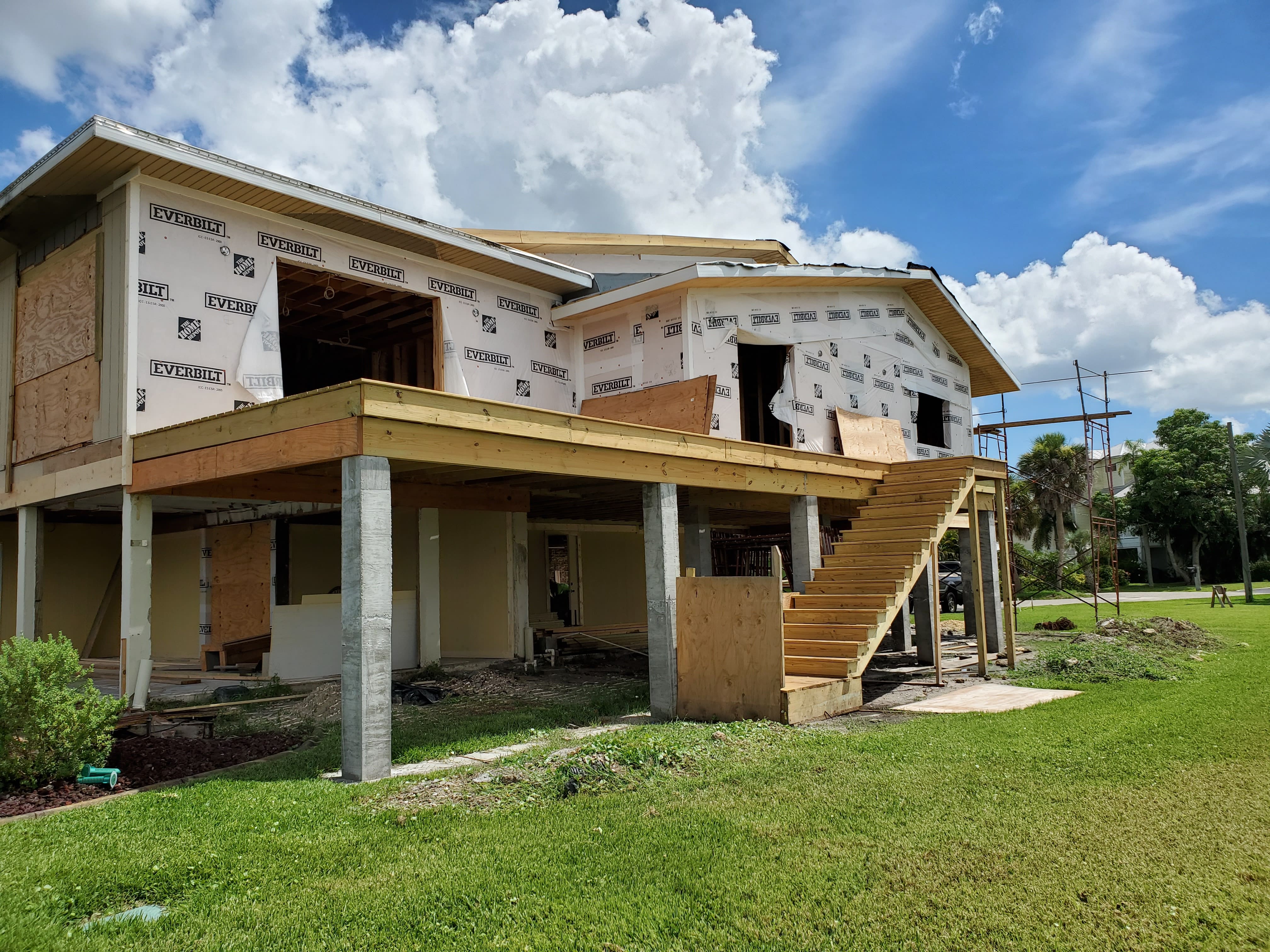
HOME ADDITIONS IN ST. PETERSBURG
St. Pete homeowners don't add on because they're out of options. They add on because they love where they live. 20+ W-2 carpenters, flood zone expertise, and deep knowledge of the St. Pete building department.
Jeremy Wharton, Revolution's owner, says it every time: “A home addition is driven by the usage a family needs from the house and by how much they love where they live.” If you're in Old Northeast, Snell Isle, or Kenwood, you get it — the neighborhood itself is the asset. An addition lets you stay in the place you chose and get the space you actually need.
Revolution Contractors builds home additions across St. Petersburg with 20+ W-2 carpenters on payroll. We handle everything from architectural coordination to permits through the City of St. Pete's notoriously difficult building department. We pair clients with architects and designers we've worked with for years — your designer's intellectual property stays yours, not locked into our firm.
The triggers we hear are consistent across St. Pete blocks: a family that has outgrown its bedrooms, a second kid who needs a room of their own, a remote worker who needs an office that closes, an aging parent moving in. Jeremy describes the pattern this way: “A specific set of circumstances for any significant home addition — a family too large for the space, no extra bedrooms, more than one kid per room, or working from home and needing office space. We have multiple half-million-dollar-plus remodels underway where it would have made more sense to sell and move, but they love their location so much that it only makes sense to expand there.”
St. Pete housing stock: addition complications
Most St. Pete homes were built between the 1920s and 1960s. That means small bedrooms, galley kitchens, single bathrooms, and crawl spaces or slab foundations that weren't designed to carry a second story. It also means tight lots, mature trees with preservation requirements, and in many neighborhoods, historic district review boards with real authority over what you can build.
Old Northeast bungalows expand by pushing into rear yards or popping a sympathetic second-story dormer past historic-board review. Snell Isle homes — most of them flat-roofed mid-century or older masonry — frequently take a second-story addition because the lots are wider than the historic-district blocks but the ground footprints are constrained by FEMA flood-zone limits. Crescent Lake and Crescent Heights mid-century ranches on roughly 6,500-square-foot lots usually have room to add a first-floor master suite or family room without bumping setbacks. Each pattern has its own structural tie-in profile — masonry walls take epoxy and steel rebar into existing poured cells; wood-framed homes take heavy-duty Simpson steel connections engineered for a solid joint.
A contractor who's never worked in St. Pete will underestimate the scope. Permitting alone runs 1-2 months for a standard addition — and that's before you factor in flood zones or historic districts. Per Jeremy: “Permitting takes two to five months in St. Pete” once you cross into AE flood zones or historic districts.
Your Neighborhood Shapes Your Addition
St. Pete is not one construction environment. Your neighborhood determines your regulatory path, your timeline, and often your cost.
Old Northeast & Old Southeast
Historic District | CoA Required | 1920s-1930s
Locally designated historic districts. Adding on here is a two-step permitting process: you need a Certificate of Appropriateness (CoA) from the Historic Preservation & Design Review Board before pulling a building permit. That review adds 2-4 months. Revolution has built in Old Northeast and Old Southeast — we know what the review board approves.
Historic Kenwood
Tight Lots | Tree Preservation | 1912-1945
Craftsman bungalows on lots typically under 5,000 square feet. Setbacks are strict, mature trees frequently limit where you can build. ADU and cottage additions are increasingly common for multigenerational living and rental income. Adding space here is a creative problem — you're working within tight constraints.
Snell Isle & Shore Acres
AE Flood Zone | FEMA 50% Rule | Post-Helene
Most of Snell Isle, Shore Acres, Coquina Key, and sections of Riviera Bay are in the AE flood zone. Your addition triggers the FEMA 50% rule — cumulative improvements exceeding 50% of the home's structural value require full flood compliance. Over 80% of Shore Acres homes flooded during Hurricane Helene. For homeowners who stayed, an addition is absolutely doable with the right calculation upfront.
Pasadena & Jungle Terrace
X Flood Zone | Fewer Hurdles | Mid-Century
Mid-century ranch homes in X flood zones (minimal risk) with more forgiving setbacks and no historic district review. If you want a first-floor addition with the fewest regulatory hurdles in St. Pete, this is the corridor. Permits still take 1-2 months, but you skip the review board and flood zone math.
Crescent Lake & Crescent Heights
Good Candidates | 6,500 sqft Lots | 1920s-1950s
1920s-1950s homes on approximately 6,500-square-foot lots. Most can accommodate first-floor additions with room to spare. Fewer constraints than the historic districts or flood zones, making these some of the best candidates for straightforward additions in St. Pete.
Beach Communities
VE / Coastal A Zones | Full FEMA Compliance
Redington, Treasure Island, Madeira Beach, Pass-a-Grille. Nearly all in VE or Coastal A flood zones. Additions here require full FEMA compliance from the start — no 50% threshold workaround. Revolution has completed $10-20 million in flood zone work across three hurricanes.
The St. Pete Building Department
“The St. Pete building department is known as being very difficult. It requires a contractor with significant experience and relationships inside that building department.” — Jeremy Wharton, Owner
Since October 2025, the City requires a notarized application before issuing permits. Additions require stamped structural engineering plans with a current boundary survey (within five years). On top of the general building permit, you'll pull separate trade permits for electrical, plumbing, mechanical, roofing, and windows/doors.
Standard Addition
1-2 months
Flood Zone
3-6 months
Historic District
3-5 months
What Additions Cost in St. Petersburg
You'll find published ranges of $125-$249 per square foot for home additions in Florida. Those reflect national cost averages and budget-grade work. Jeremy's honest local numbers, based on current St. Pete project data:
The difference between a dry room and a wet room is real money. Jeremy's real-world comparison: a 2,000-square-foot garage with two offices and no plumbing cost $200,000. Add a bathroom and kitchen, and that same project runs close to $500,000. For a full cost breakdown, see our home addition cost guide.
Stay and Invest, or Sell and Move?
St. Pete's January 2026 median home price: $528,000 — up 30.7% year over year. Homes are sitting on the market an average of 58 days, nearly a month longer than a year ago. Updated homes sell; outdated ones struggle.
“Often adding on at $400-500 per sq ft is cheaper than buying a new home at $700 per sq ft in the same neighborhood.”
That math has held steady even as the market softened. When you factor in closing costs, realtor fees, moving expenses, and the premium on turnkey homes in desirable St. Pete neighborhoods, expanding in place usually wins — especially if you're in Old Northeast or Kenwood where comparable homes rarely hit the market.
If you're not sure which side of the line you're on, call us at 727-888-6161. We've helped homeowners work through this decision in every St. Pete neighborhood. For a full walkthrough of the process, see what to expect during a home addition.
How a St. Pete Addition Actually Runs
Phases & Timeline
Plan on 12–18 months total. Historic district and flood zone projects sit at the longer end of every range. We give you the realistic estimate in pre-construction, not an optimistic one.
1. Pre-Construction & Design
Architect engagement, scope definition, exterior elevations the City will accept, structural engineering, survey verification, and the cost-line lockdown that prevents change-order surprises later.
3–6 months
2. Permitting
City of St. Pete general building permit plus separate trade permits for electrical, plumbing, mechanical, roofing, and windows/doors. Notarized application required since October 2025. Stamped structural drawings and a current boundary survey (within 5 years) are mandatory.
1–6 months
3. Construction
Light demolition first to limit water-intrusion risk, then structural tie-in (masonry: epoxy + steel rebar; wood: heavy-duty Simpson connectors), framing, MEPs, roofing, exterior, then interior finishes. Approximately 5 months of major construction plus a 6th month for punch-list and final inspections.
~6 months
Some additions allow you to stay in the home through the structural phase. We keep you comfortable as long as we can — rentals here are expensive.
Historic district add-on
Old Northeast, Old Southeast, Historic Kenwood, Roser Park, Granada Terrace, and Ingleside all require a Certificate of Appropriateness from the Historic Preservation & Design Review Board before a building permit can be pulled. Add 2–4 months to the permit timeline above.
Flood-zone add-on
AE-zone properties (most of Snell Isle, Shore Acres, Coquina Key, sections of Riviera Bay) trigger the FEMA 50% rule. Cumulative improvements over 50% of structural value require full flood compliance. We calculate where you stand on the threshold during design.
Who We Build St. Pete Additions For
Two homeowner profiles drive most of our addition pipeline in St. Petersburg. If one of these sounds like you, the conversation starts faster.
Late-Career Owners Done with Fixed-Bid Surprises
You've done a major project before. You know the difference between a contractor who hides markups and one who runs an open book. You picked your St. Pete neighborhood deliberately — Old Northeast, Snell Isle, Crescent Lake — and the addition is about staying, not moving. You want partnership, not a pitch. Our T&M model with weekly budget reports and 75% of line items locked before demo is built for you.
First-Time Renovators With High Standards
First major project. Family of three or four in a 1940s bungalow that's run out of bedrooms. You researched every contractor in St. Pete, read every review, looked at the Houzz photos. You want guidance, not condescension. Weekly budget reports and BuilderTrend access give you a safety net while we walk you through every decision the City will scrutinize.
WHY ST. PETE OWNERS HIRE REVOLUTION FOR ADDITIONS
Four reasons St. Pete homeowners pick Revolution for an addition over a referral or a low-bid quote.
IN-HOUSE LABOR
Our skilled craftsmen are Revolution employees, not subcontractors. This means better quality control, accountability, and a team that truly cares about your project.
T&M TRANSPARENCY
Our Time & Materials billing model means you see exactly where every dollar goes. No hidden markups, no surprises—just honest, transparent pricing.
LOCAL EXPERTISE
Deep knowledge of St. Petersburg permits, historic district requirements, and coastal building codes. We navigate local regulations so you don't have to.
TILE & WATERPROOFING
Specialized expertise in wet areas that most contractors lack. Proper waterproofing and tile installation prevent costly failures down the road.
Ready to Discuss Your St. Pete Addition?
We'll ask about your neighborhood, flood zone status, and what you're trying to accomplish — then tell you honestly what the process looks like in your specific situation.
LOVED BY OUR CUSTOMERS
Nothing means more to us than making our clients happy, unless perhaps it is making them so happy they come back to us or refer us to their friends and family!
"We had multiple contractors tell us that our 100-year old bungalow in Old Southeast should be torn down instead of remodeled. Revolution worked with us on an extensive plan to rebuild structural components and remodel the entire house. Now we have the best house in the block!"
"The guys at Revolution have done projects for us in two houses now. They added a master bathroom for us in northeast St Pete and then remodeled every square inch of a 4500-sq. ft house in Pinellas Pt. Through every challenge over two years of construction they have been there pushing our projects forward. We wouldn't use anybody else!"
"Awesome company! I had Revolution Contractors do some work on my house and did an amazing job!!! The guys there are great to work with and very professional and knowledgeable on there work. I am very happy they way there work came out and will be getting more work done on my house from them."
"Find them to be very professional, provide sufficient info for bidding, easy to contact, and most importantly they pay good. All and all NuTrend really enjoys a very productive and lucrative relationship with Revolution Contractors would recommend them and do often"
"On a challenging structural project for an investment property Revolution saw me through all sorts of headaches with the building department and were able to carry off multiple layout changes with gorgeous results. They've done multiple projects for my family as well as my group of closest friends and are now working on my primary residence!"
"Revolution Contractors have helped my family on numerous projects, providing guidance and honesty throughout all projects. The crew is hardworking and reliable. The owners are quick to respond and very honest. Definitely would recommend!"
St. Petersburg Home Addition FAQs
What makes St. Pete additions more complex than other cities?
Three things that compound: a building department that's known as one of the harder ones in Pinellas County, a significant portion of neighborhoods in AE flood zones where the FEMA 50% rule applies, and historic district review boards in Old Northeast, Old Southeast, and Kenwood that add months to the permitting timeline before permits even begin. An experienced St. Pete contractor navigates these as a matter of course. A contractor without local history will discover them as surprises.
If my Shore Acres home flooded in Helene, can I add on?
Yes, but you need to calculate where you stand on the FEMA 50% threshold first. Any improvements you've already made since the storm count toward the cumulative threshold. We'll calculate the remaining improvement budget during the design phase. Combined elevation-plus-addition projects are also possible — and worth exploring given the city's elevation programs.
How long will my addition take from start to finish?
Plan on 12-18 months total: 3-6 months of design with an architect, 1-6 months of permitting depending on your neighborhood and flood zone status, and approximately 6 months of construction. Historic district and flood zone projects are at the longer end of that range. We'll give you a realistic timeline estimate during the pre-construction conversation, not an optimistic one.
Does my existing home need any upgrades when I add on?
Often yes. Additions frequently trigger panel upgrades (your existing electrical system may not support the new square footage), HVAC expansion or a second system, and occasionally plumbing line work. In St. Pete's older housing stock, opening walls during a structural tie-in sometimes uncovers galvanized pipe, aluminum wiring, or deteriorated sheathing that has to be addressed. We budget for common unforeseen conditions during pre-construction so they don't surface as surprise change orders after demo.
Is it cheaper to add on or sell and buy a bigger home in the same neighborhood?
In Old Northeast, Snell Isle, Crescent Lake, and Kenwood, adding on usually wins on the math. Jeremy Wharton, Revolution's owner, puts it this way: "Often adding on at $400–500 per sq ft is cheaper than buying a new home at $700 per sq ft in the same neighborhood." Once you factor in 6% in realtor commissions, closing costs, moving expenses, and the premium on turnkey homes in desirable St. Pete blocks, the gap widens further. The exception: if you're already in a flood zone and your existing home is more than 50% improved cumulatively, the FEMA 50% rule may push the project into a teardown-rebuild scenario where the math flips. We run that calculation in pre-construction before you commit.
Do you build second-story additions in St. Petersburg?
Yes, but we steer most homeowners toward first-floor additions when the lot allows it. Existing foundations and walls in 1920s-1960s St. Pete homes weren't engineered to carry a second story — retrofitting or rebuilding the structural system can roughly double the cost compared to building out. First-floor additions run $200–300 per square foot in our recent project data; second-story additions run $300–400 plus. If your lot is too tight for a first-floor addition (common in Historic Kenwood and Old Northeast), we'll engineer the structural tie-in with stamped plans and walk you through the cost trade-off honestly.
Will my addition need to match the existing house architecturally?
In every St. Pete neighborhood — yes. The City requires exterior elevation drawings showing the addition matches or complements the existing home, and your architect handles that compliance. In Old Northeast, Old Southeast, Historic Kenwood, Roser Park, Granada Terrace, and Ingleside, the historic preservation review board adds a Certificate of Appropriateness step before any permit can be pulled — that's where roof pitch, window proportions, siding profile, and trim details get scrutinized. Outside historic districts the standard is more forgiving but the City still reviews exterior elevations against neighborhood character.

Guides & Resources
 Home Addition
Home Addition Cost in St. Petersburg: What to Budget in 2026
Real cost ranges by addition type — first-floor, second-story, garage conversions, and ADUs with St. Pete project data.
Read Guide →
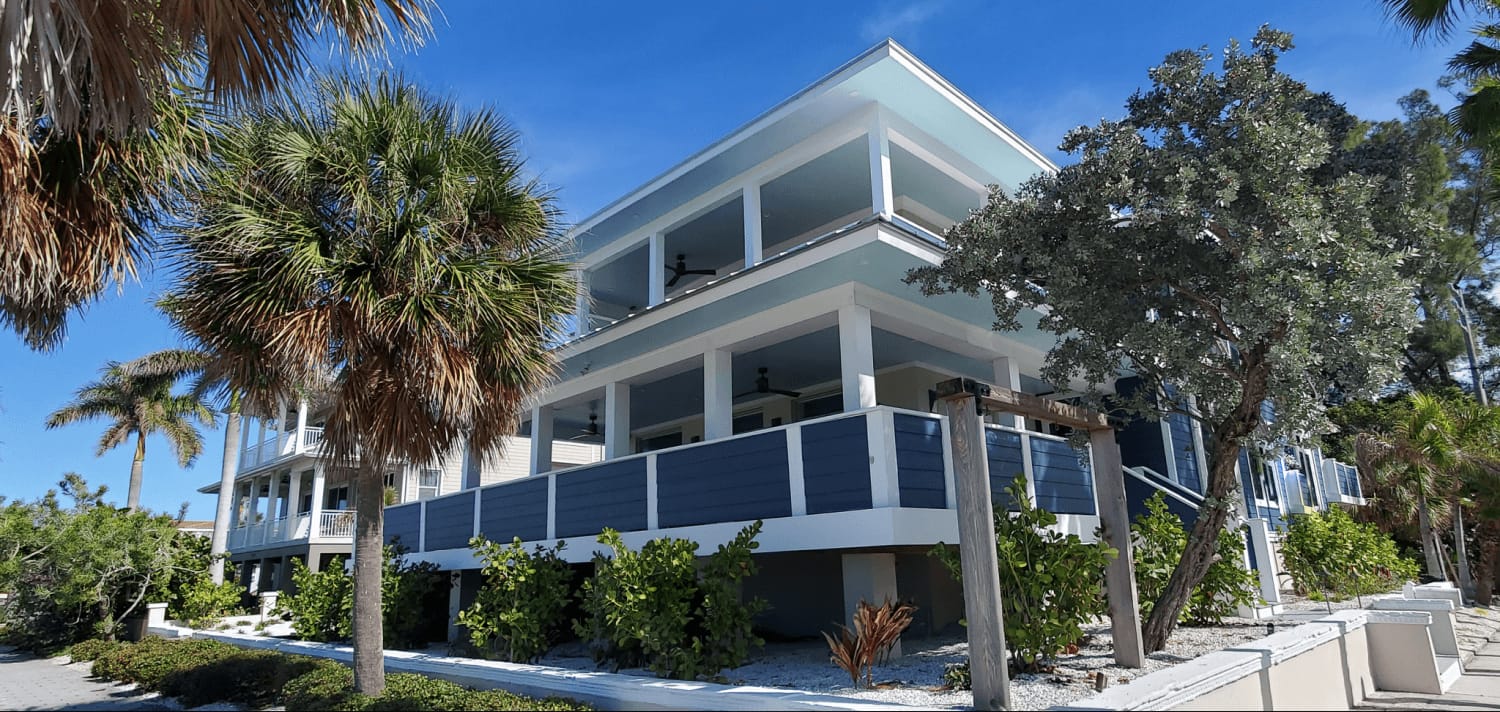 Home Addition
What to Expect During a Home Addition: From Design to Move-In
Phase-by-phase timeline from architect selection through final inspection — 12-18 months of what actually happens.
Read Guide →
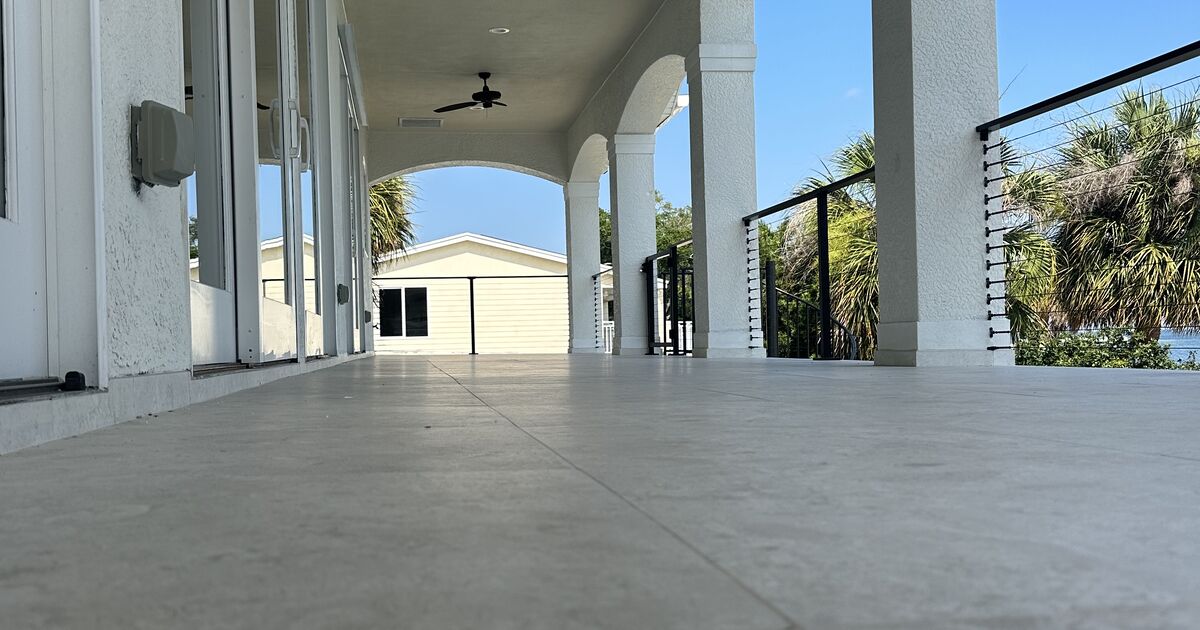 Home Additions
Florida Room Addition Cost in St. Pete (2026 Prices)
Florida room additions in St. Pete cost $20K-$120K+ depending on size and finish level. Cost tables, permit process, and the impact glass exemption most contractors skip.
Read Guide →
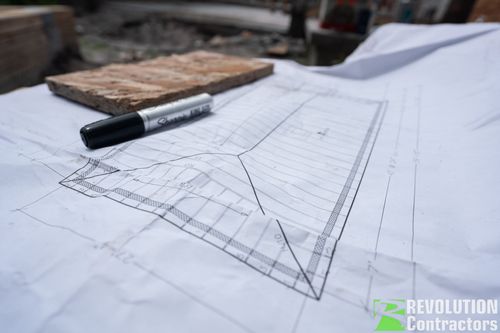 Custom Home
Remodel, Add On, or Build New?
The decision framework for homeowners weighing all three options, including the FEMA 50% Rule that sometimes makes the decision for you.
Read Guide →
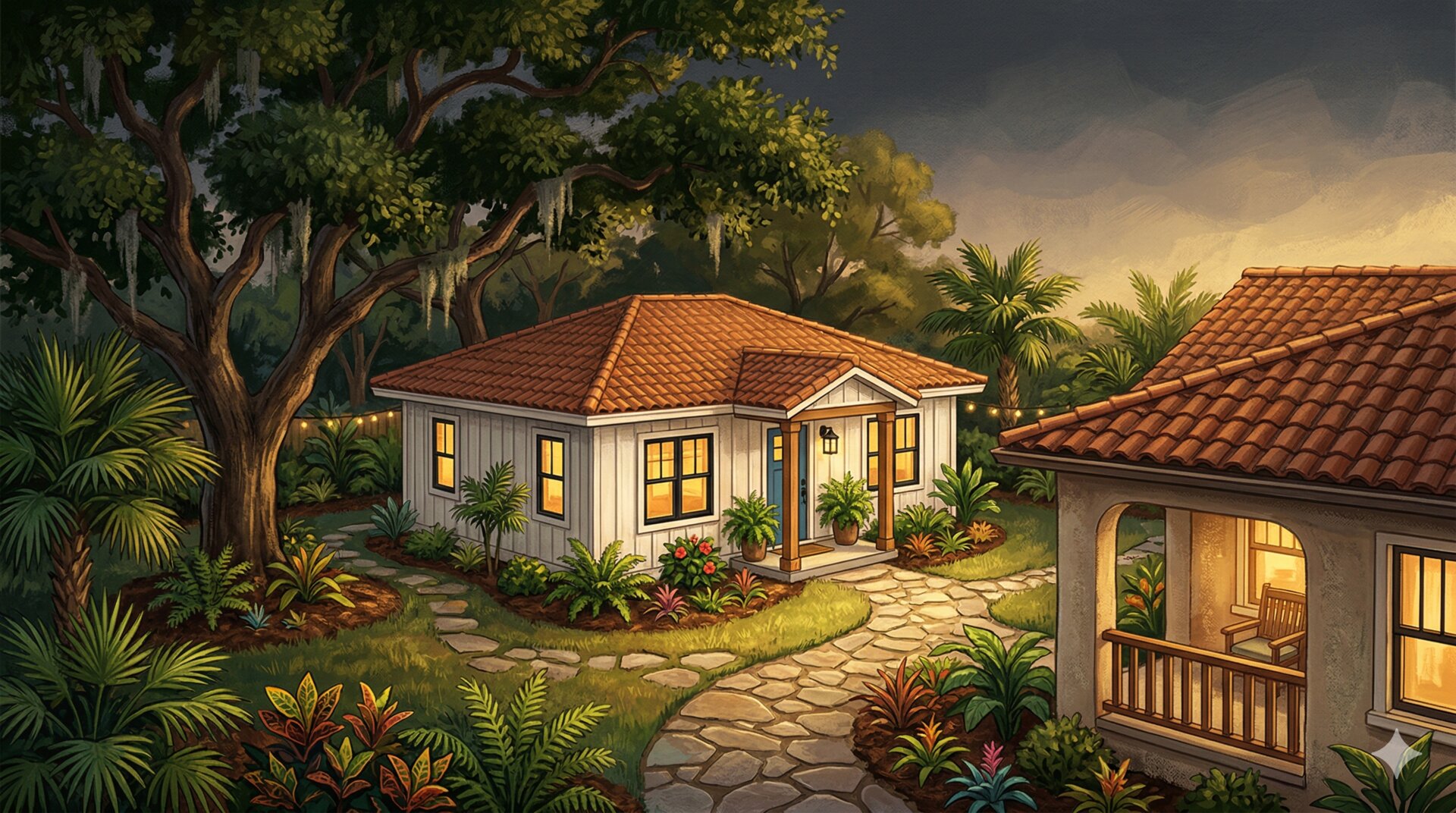 Home Additions
ADU & Mother-in-Law Suite Additions in St. Petersburg
Costs, permits, and zoning reality for detached, attached, garage-conversion, and second-story ADUs in St. Pete.
Read Guide →
 Home Addition
Top 9 Things to Consider When Hiring a Home Addition Contractor
What to ask, what to verify, and red flags to avoid when choosing an addition contractor.
Read Guide →