Tierra Verde Renovation Challenges
Barrier Island, Real Construction Realities
1. VE Flood Zone: Pilings, Breakaway Walls, and Wave-Action Engineering
The east side of Tierra Verde — facing the Skyway Bridge across Tampa Bay — carries a VE flood zone designation. That's FEMA's highest-hazard coastal classification, and it comes with construction requirements that go far beyond standard flood zone compliance.
In a VE zone, your foundation must be open: pilings, piers, or columns only. No slab-on-grade. No stem walls. (For a broader look at how elevated house plans work across Florida flood zones, see our guide.) Any enclosed space below the Base Flood Elevation (BFE) must use breakaway walls — panels engineered to collapse under wave action without transferring damaging loads to the elevated structure above. Pinellas County requires your lowest habitable floor to sit at BFE plus one foot of freeboard, and in VE zones, the measurement point is the bottom of the lowest horizontal structural member, not the finished floor.
Every structural connection matters. Foundation to framing, framing to sheathing, sheathing to roof — each junction must be engineered for combined wind uplift, wave impact, and flood buoyancy forces. Your plans must specify piling composition, dimensions, embedment depth, and installation method before the permit office will review them.
Driven pile foundations on Tierra Verde typically run $50,000 to $100,000 or more depending on soil conditions and home footprint. That's before the first wall goes up. For projects that cross the Substantial Improvement threshold and trigger full elevated rebuild, see our custom home building service for the full elevated-construction scope. We include this in our pre-construction scope assessment so you know the full picture before design begins, not at demo.
2. Salt Air Corrosion: The Cost You Don't See Until It Fails
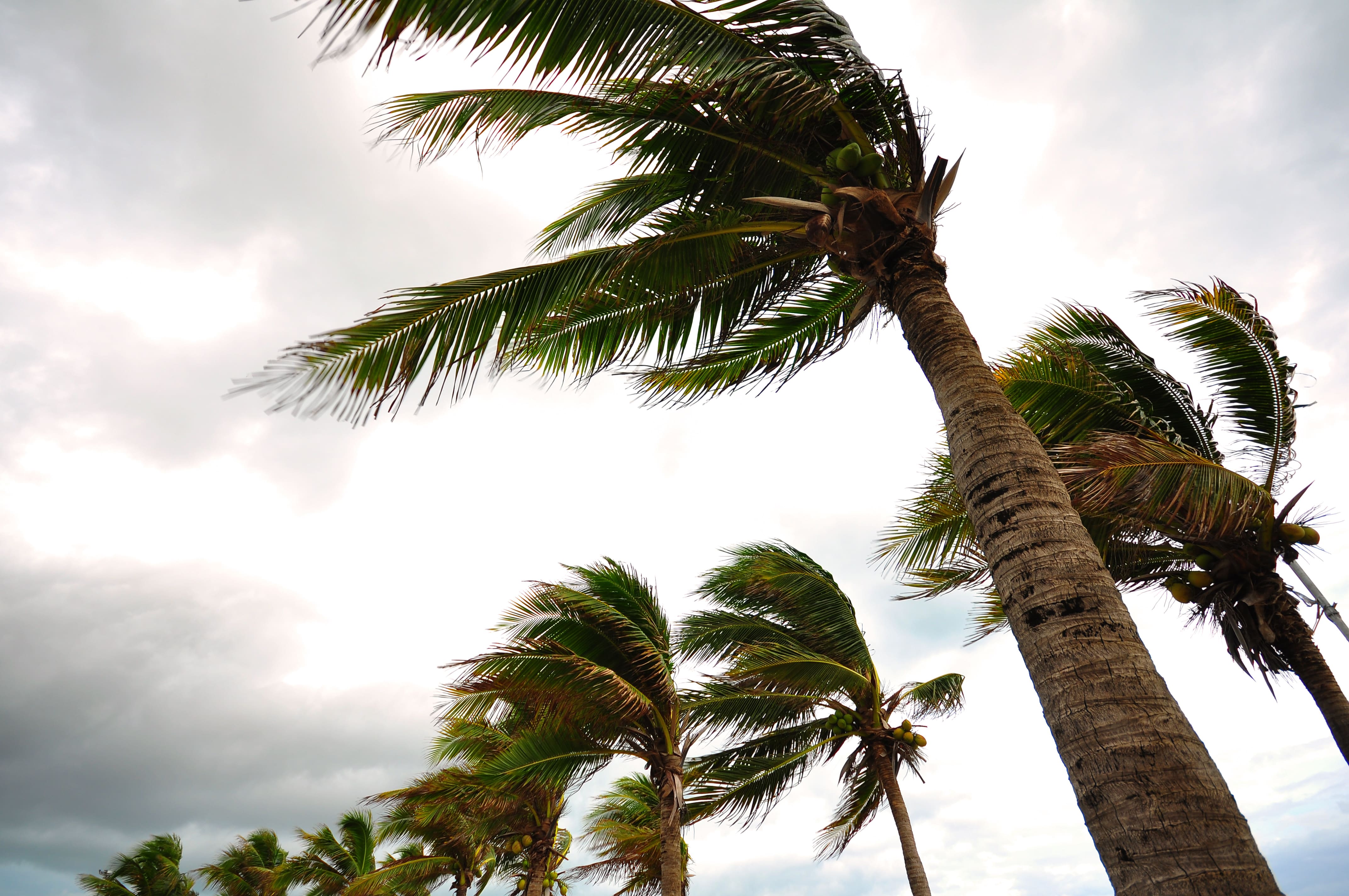
Tierra Verde is surrounded by saltwater on every side. Onshore winds from the Gulf, Tampa Bay, and Boca Ciega Bay carry salt aerosols across every property on the island, every day. That constant exposure accelerates the degradation of building materials at a rate that mainland homeowners — and mainland contractors — don't account for.
Standard galvanized steel fasteners, flashing, and connectors corrode in 5 to 10 years on a barrier island instead of the 20 to 30 years you'd expect inland. HVAC condenser coils fail in 7 to 10 years instead of 15 to 20. Aluminum window frames pit and oxidize. Electrical panel connections develop resistance from corrosion that causes intermittent failures.
Your Tierra Verde renovation needs 316 or 316L stainless steel fasteners, not galvanized, not standard stainless. Marine-grade aluminum for exterior trim and hardware. Corrosion-resistant coatings on all exposed metal. And an honest conversation about replacing your HVAC system during the renovation if it's already been running in salt air for a decade. We spec marine-grade materials from the start and build that cost into your pre-construction estimate, so there are no surprises when your contractor discovers mid-project that the standard materials they ordered won't last. For more on how barrier-island and waterfront construction differs from inland builds, see our guide to waterfront home construction in St. Petersburg.
3. Bridge-Access Construction Logistics
Every construction project on Tierra Verde faces a logistical reality that doesn't exist for mainland St. Pete neighborhoods: the Pinellas Bayway is the only road in and out. That means:
- •Concrete pours require coordination with batch plants on the mainland. Traffic delays on the causeway during peak hours can compromise pour quality if timing slips.
- •Crane mobilization needs route planning for bridge clearances and weight limits — not every crane can cross.
- •Material deliveries incur toll costs on every trip. Staging areas on the island are limited, so deliveries must be timed precisely.
- •Dumpster and debris removal runs on an island schedule — not next-day suburban pickup.
- •Subcontractor coordination is more demanding because travel time and causeway access add friction to every trade's schedule.
This isn't an obstacle. It's a planning variable. A contractor who has built on barrier islands knows to front-load material staging, schedule concrete pours for off-peak bridge traffic, and coordinate trades to minimize causeway trips. A contractor who hasn't will learn these lessons on your dime. For the broader picture on flood zone construction across Pinellas County, see our service hub.