Elevated House Plans for Florida Flood Zones
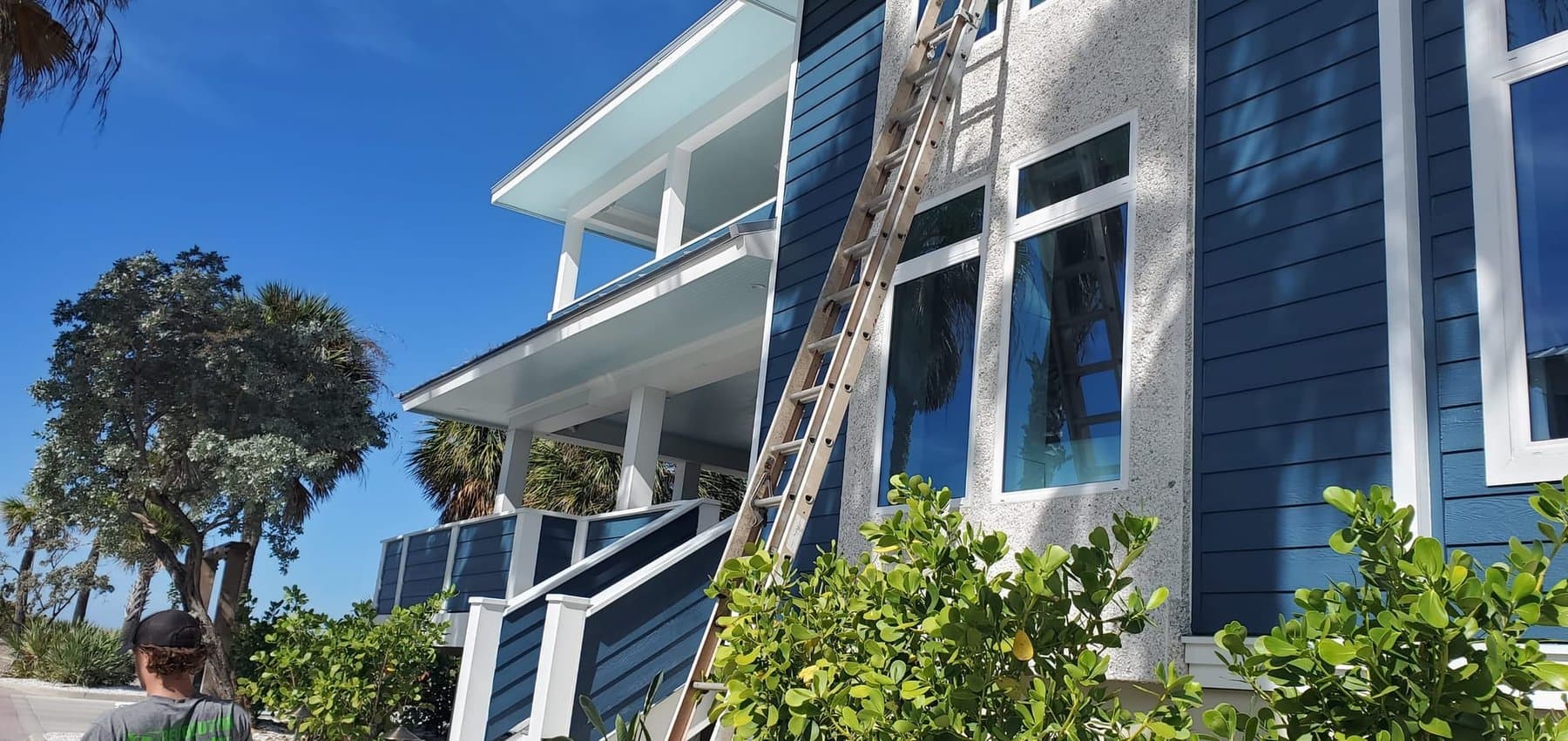
Elevated house plans in Pinellas County flood zones are foundation-and-first-floor designs that lift a home's finished living area at or above the FEMA Base Flood Elevation (BFE), typically 8-15 feet above grade in AE and VE zones: using piling, stem-wall, or elevated-slab construction. Across St. Petersburg, Snell Isle, Shore Acres, Tierra Verde, and the Pinellas barrier islands, elevated construction is required by the FEMA 50% rule, the National Flood Insurance Program (NFIP), and the Florida Building Code on all new builds and on substantial improvements to existing homes.
If your Pinellas County home sits in a FEMA flood zone, elevated house plans are not optional: they are the foundation of everything else you do. The right elevation determines your insurance rates, your legal compliance, and whether your home survives the next major storm intact. Get it wrong and you face fines, forced reconstruction, or an insurance bill that makes your mortgage look reasonable.
This guide covers everything Pinellas County homeowners need to know about elevated house plans for Florida flood zones: which FEMA zones apply, what Base Flood Elevation means for your specific property, which foundation systems perform best in coastal conditions, how the 50% rule can force a full rebuild mid-renovation, and what the elevation certificate does for your bottom line. Whether you are building new or remodeling an existing structure, this is the information you need before breaking ground.
In This Article
Why Florida Homeowners Need Elevated House Plans
Florida is the most flood-prone state in the country, and Pinellas County sits near the top of the risk list within Florida. The county is a peninsula within a peninsula: surrounded by Tampa Bay to the east and the Gulf of Mexico to the west. There is almost no elevated terrain to stop storm surge, and sea levels have risen measurably over the past two decades. Flooding here is not a question of if. It is a question of when and how much.
FEMA maps the flood risk across the country using Special Flood Hazard Areas (SFHAs). In Pinellas County, the most common designations homeowners encounter are:
- Zone AE: High-risk area with a 1% annual flood probability (the 100-year floodplain). Base Flood Elevation has been determined. This zone covers large portions of Shore Acres, Gulfport, Tierra Verde, and many inland waterfront neighborhoods.
- Zone VE: Coastal high-hazard area with wave action in addition to flooding. Stricter construction requirements apply. St. Pete Beach sits almost entirely in VE and AE zones. The west side of Tierra Verde falls here as well.
- Zone X: Moderate or minimal flood risk. Flood insurance is not required by lenders, but flooding still occurs. One-third of flood claims nationally come from Zone X properties.
For a complete breakdown of every Pinellas zone designation, including how AE, VE, and X Shaded are assigned parcel-by-parcel and where each zone concentrates across the county: see our Pinellas County flood zone guide.
Elevation matters for two reasons. First, it keeps your living space above the water line during flood events. Second, it directly controls what you pay for flood insurance, often the largest single cost driver for coastal property owners in Pinellas County. Our team at Revolution Contractors has helped homeowners across St. Pete navigate flood zone construction and renovation projects from initial feasibility through final inspection.
Understanding FEMA Flood Zones and Base Flood Elevation (BFE)
Base Flood Elevation (BFE) is the computed elevation to which floodwater is anticipated to rise during the base flood: the 1% annual chance flood event. FEMA determines the BFE for each parcel within a Special Flood Hazard Area and publishes it on Flood Insurance Rate Maps (FIRMs). Your BFE is the legal baseline for construction in your flood zone.
Pinellas County goes one step further than the federal minimum. The county requires homeowners to build to BFE plus one foot of freeboard. This means if your FEMA-determined BFE is 9 feet NAVD88, your lowest habitable floor must sit at 10 feet NAVD88. That extra foot of freeboard is not just regulatory compliance: it translates directly into lower National Flood Insurance Program (NFIP) premiums.
To find your property's BFE, use the FEMA Flood Map Service Center at msc.fema.gov or contact Pinellas County's Development Review Services. Your contractor or elevation certificate surveyor can also determine your BFE as part of pre-construction planning. Never rely on a neighbor's BFE: elevations vary block to block and sometimes lot to lot.
A few key distinctions to understand:
- Lowest Adjacent Grade (LAG). The lowest natural ground elevation immediately adjacent to the building. Used to calculate fill requirements.
- Lowest Floor Elevation (LFE). The elevation of the lowest floor of your building, including basement. This must meet or exceed BFE plus freeboard.
- Design Flood Elevation (DFE). The elevation used for construction, which in Pinellas County is BFE + 1 ft of freeboard.
BFE vs DFE, side by side: The elevation you plan around is DFE, not BFE. Our BFE vs DFE explainer + address lookup walks the difference and lets you pull your address so the numbers on your plans match what the plan reviewer will check against.
Minimum Finished Floor Elevation: AE Zone vs VE Zone in Pinellas
In an AE zone, the lowest finished floor must sit at or above the FEMA-published Base Flood Elevation (BFE). Pinellas County adds one foot of freeboard on top, so the practical minimum is BFE + 1 ft. Shore Acres AE parcels commonly run BFE 8-10 ft NAVD88, which sets the floor at 9-11 ft NAVD88. In a VE zone, Florida Building Code and FEMA require the bottom of the lowest horizontal structural member (the beam or joist supporting the floor, not the finished floor surface itself) to sit at or above BFE. Coastal Pinellas VE parcels on St. Pete Beach, Pass-a-Grille, and the west side of Tierra Verde commonly run BFE 12-14 ft, which drives an elevated build 13-15+ ft above grade once freeboard and structural depth are added. Verify your address-specific BFE and zone through the FEMA Flood Map Service Center at msc.fema.gov and confirm with your local Authority Having Jurisdiction before finalizing floor plans.
Driven Pile vs Stem Wall: Foundation Choice for Elevated Builds
Foundation choice is dictated primarily by flood zone. In a VE zone, FEMA and the Florida Building Code mandate open-foundation construction: driven piles (typically wood or concrete, driven 10-20 ft into stable soil in Pinellas), or reinforced concrete columns on drilled shafts. Fill is prohibited. Any enclosure below BFE must use breakaway walls that collapse under wave action without transferring load to the elevated structure. In an AE zone, both driven-pile and stem-wall crawl-space foundations are permitted. Stem-wall crawl spaces cost less than piling systems, provide easier mechanical access, and work well when BFE is only a few feet above grade. Flood openings are required in the enclosed crawl area (one square inch per square foot of enclosed area, minimum two openings on different walls). Choose stem wall when soil allows and cost matters; choose driven pile when BFE is high, when wave action is a factor, or when a full elevated first floor is required by zone.
FEMA Elevation Certificate: Coordination and Timing
The Elevation Certificate (FEMA Form 086-0-33) documents the elevation of a building's lowest floor relative to BFE. It is prepared by a Florida-licensed surveyor, engineer, or architect and is the document your flood insurance carrier uses to calculate your NFIP premium under Risk Rating 2.0. On an elevated new build, plan for two certificate touchpoints: a Construction Drawings certificate (based on the permit plans, submitted for permit review at many Pinellas AHJs), and a Finished Construction certificate (based on the surveyor's post-construction elevation shot, required before the Certificate of Occupancy and before your insurance carrier can price the finished building). Coordinate the surveyor's final shot to occur after the concrete slab or subfloor is poured and before drywall closes in the reference points. Missing the finished certificate defaults your policy to the worst-case rate for the zone until it is filed, often costing thousands in the first policy year.
Types of Elevated Foundation Systems
Choosing the right foundation system depends on your flood zone, soil conditions, elevation requirement, and architectural goals. Each system has distinct advantages, costs, and code requirements.
Pilings and Columns (Required in VE Zones)
In VE zones, FEMA mandates open-foundation construction, typically wood pilings, concrete pilings, or steel columns driven deep into stable soil. The open space beneath the structure allows wave energy and floodwater to pass through without exerting full hydrostatic pressure on the building. Fill is prohibited in VE zones, as it would obstruct water flow and increase wave force on adjacent properties.
Piling depth is engineered based on soil borings and the design wind and wave loads for your site. In Pinellas County's coastal areas, pilings commonly extend 10 to 20 feet below grade. The structural connections between pilings and the floor system must meet enhanced requirements for uplift, lateral, and overturning forces.
Pros: Maximum flood and wave resistance, required in VE zones, qualifies for lowest NFIP rates when elevated sufficiently above BFE.
Cons: Highest construction cost, requires deep soil investigation, limits below-floor storage and garage options. For a detailed breakdown of piling costs, seawall coordination, and what waterfront builds actually cost per square foot, see our guide to waterfront home construction in St. Petersburg.
Elevated Crawl Space
In AE zones, a stem-wall crawl space can be an effective solution that elevates the living floor while providing a service chase for mechanical systems. The crawl space area below BFE must be treated as a non-living, non-storage space. Flood openings (vents) are required to allow automatic equalization of hydrostatic pressure: at least one square inch of net open area per square foot of enclosed area, with a minimum of two openings on different walls.
Pros: More accessible than piling construction, easier mechanical access, lower cost than full piling system.
Cons: Not permitted in VE zones, flood openings must be maintained, enclosed area below BFE is uninsurable and restricted to parking, building access, and storage of flood-damage-resistant materials only.
Elevated Slab-on-Grade with Fill
In AE zones, homeowners can use engineered fill to raise the ground elevation to or above BFE, then pour a slab. This is the most familiar construction approach for Florida builders but requires careful engineering. Fill must be properly compacted, graded, and protected from erosion. It cannot be used in floodways or VE zones.
Pros: Familiar construction method, lower cost in appropriate zones, easier to build traditional floor plans.
Cons: Not suitable for VE zones or floodways, requires substantial fill and grading, fill erosion is a long-term maintenance concern.
| Foundation Type | Best For | Cost Range | Key Requirement |
|---|---|---|---|
| Pilings / columns | VE zones (required) | $50,000–$150,000+ | Open foundation, 10–20 ft depth typical in Pinellas |
| Elevated crawl space | AE zones | $30,000–$80,000 | Flood openings required, no living space below BFE |
| Slab-on-grade with fill | AE zones (no floodway) | $15,000–$40,000 | Engineered fill, not permitted in VE zones |
The 50% Rule: What Renovation Homeowners Must Know
The Substantial Improvement Rule, commonly called the 50% rule, is the most consequential regulation for existing flood zone homes in Pinellas County. Understanding it before you start any renovation project can save you from an expensive surprise mid-construction.
The rule works like this: if the cost of a renovation equals or exceeds 50% of the structure's pre-improvement market value (not including land), the entire building must be brought into compliance with current flood regulations. That means raising the lowest floor to BFE plus freeboard, replacing non-compliant materials below BFE, and meeting all current flood code requirements, even if you were only planning to remodel your kitchen. For detailed cost data on lifting vs. rebuilding, see our house elevation cost breakdown.
What Counts Toward the 50% Threshold
Pinellas County calculates substantial improvement costs comprehensively. The following all count toward your 50% threshold:
- Labor (including the fair market value of owner-performed labor)
- Materials
- Permit fees
- Architectural and engineering plans
- Contractor overhead and profit
- Site preparation and demolition
- Equipment and machinery costs
What does not count: finished lot value, survey costs, title fees, and certain disaster-related repairs under specific FEMA declarations.
The Cumulative 12-Month Window
This is the detail that catches most homeowners off guard. Pinellas County tracks cumulative renovation costs over a rolling 12-month period. If you renovated your bathrooms in March for $40,000 and then want to remodel your kitchen in September for $35,000, and your structure is valued at $140,000: you have exceeded the 50% threshold. The county will require full flood code compliance before issuing the second permit.
The lesson: if you own a flood zone property and have renovation plans, think in phases and be strategic about timing and sequencing. Our flood zone project specialists regularly help clients map out multi-year renovation strategies that accomplish their goals without inadvertently triggering the 50% rule. For a deeper dive into the rule's mechanics, see our complete FEMA 50% rule guide.
Fast estimate: Our free FEMA 50% Rule Calculator runs the ratio for you: structure value plus project cost plus flood zone gives a fast read on where your scope lands against the substantial-improvement threshold.
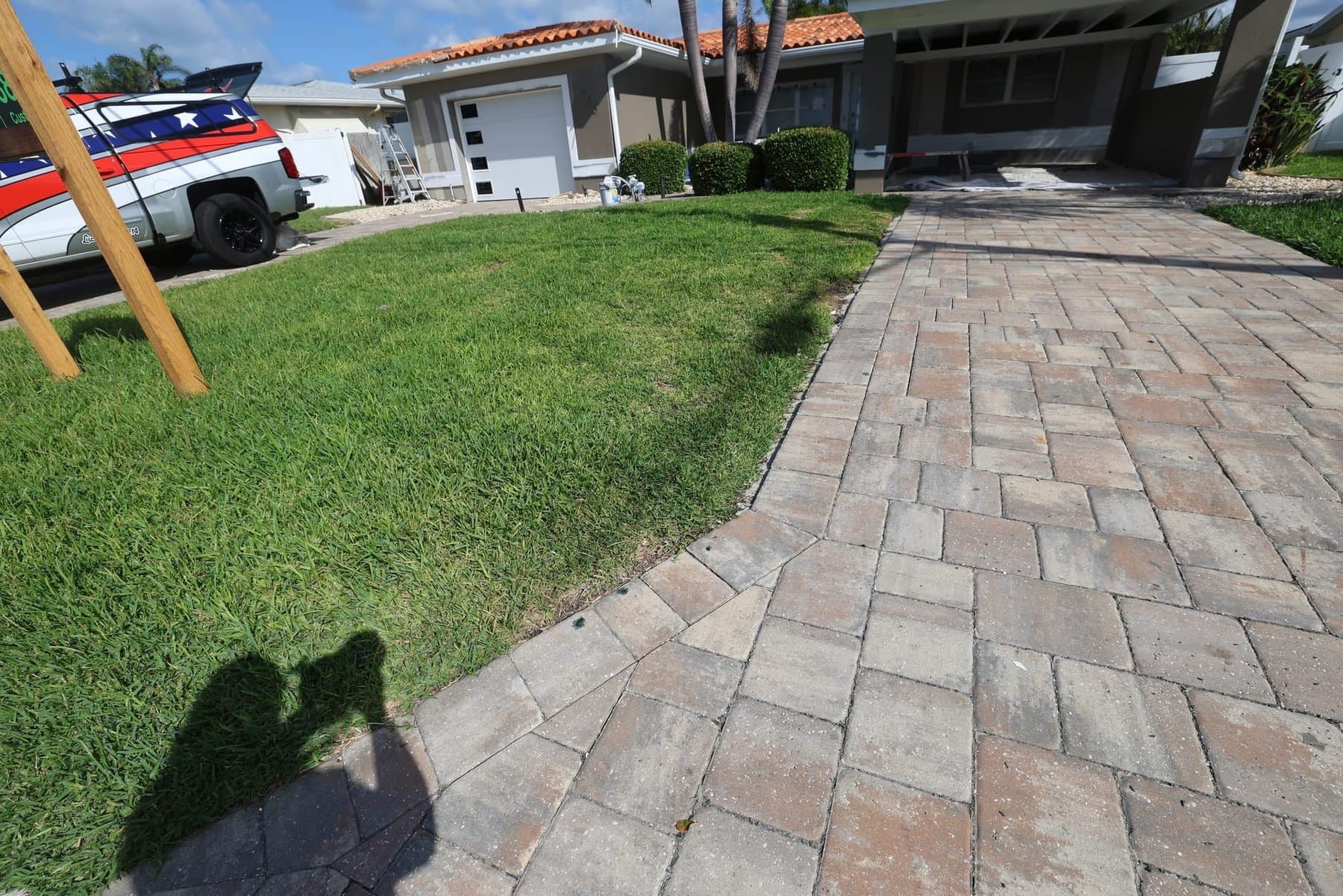
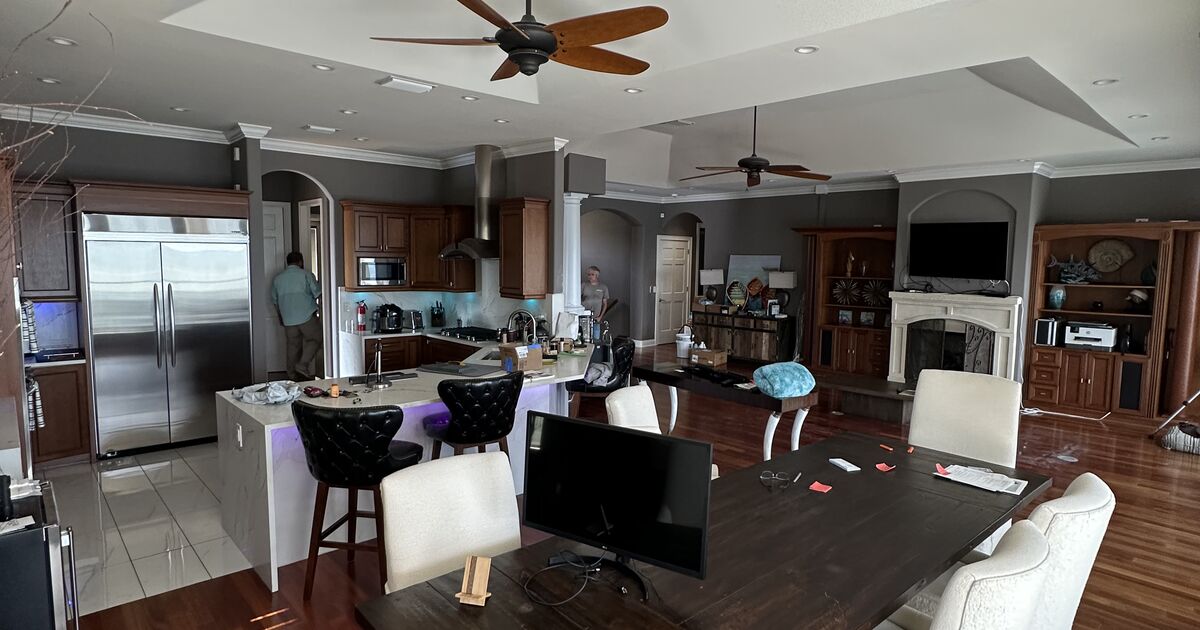
A flood zone renovation in progress: strategic scope management keeps the project within FEMA thresholds.
Design Considerations for Elevated Homes in Pinellas County
Elevation requirements shape every design decision from foundation to finish. Understanding these constraints early, before you finalize floor plans, prevents costly redesigns and change orders during construction.
VE Zone vs. AE Zone Requirements
The distinction between VE and AE zone requirements is significant. VE zones (found along St. Pete Beach, the east side of Tierra Verde, and exposed Gulf-facing properties) carry the strictest rules:
- Open foundation required: pilings, piers, or columns only
- No fill permitted below BFE
- Breakaway walls required for any enclosure below BFE (designed to collapse under wave action without transferring damaging loads to the elevated structure)
- No attached garages below BFE that are enclosed with non-breakaway walls
- Enhanced structural connections at every level: foundation to framing, framing to roof
AE zone requirements are less restrictive but still substantial. Enclosed areas below BFE must have flood openings, must use flood-damage-resistant materials, and cannot contain finished living space.
Flood-Resistant Materials Below BFE
Any material used below the BFE must be flood-damage-resistant: rated to withstand direct and prolonged contact with floodwater without significant damage. The following common building materials are specifically prohibited below BFE in flood zones:
- Standard drywall (gypsum board)
- Particleboard and MDF
- Carpet and carpet pad
- Standard fiberglass batt insulation
- Wood paneling and wood flooring
- Standard interior doors with wood cores
Compliant alternatives include pressure-treated lumber, concrete block, marine-grade plywood, closed-cell spray foam insulation, ceramic tile, and fiber cement products. Using non-compliant materials below BFE can void your flood insurance claim after a flood event.
Architectural Compatibility
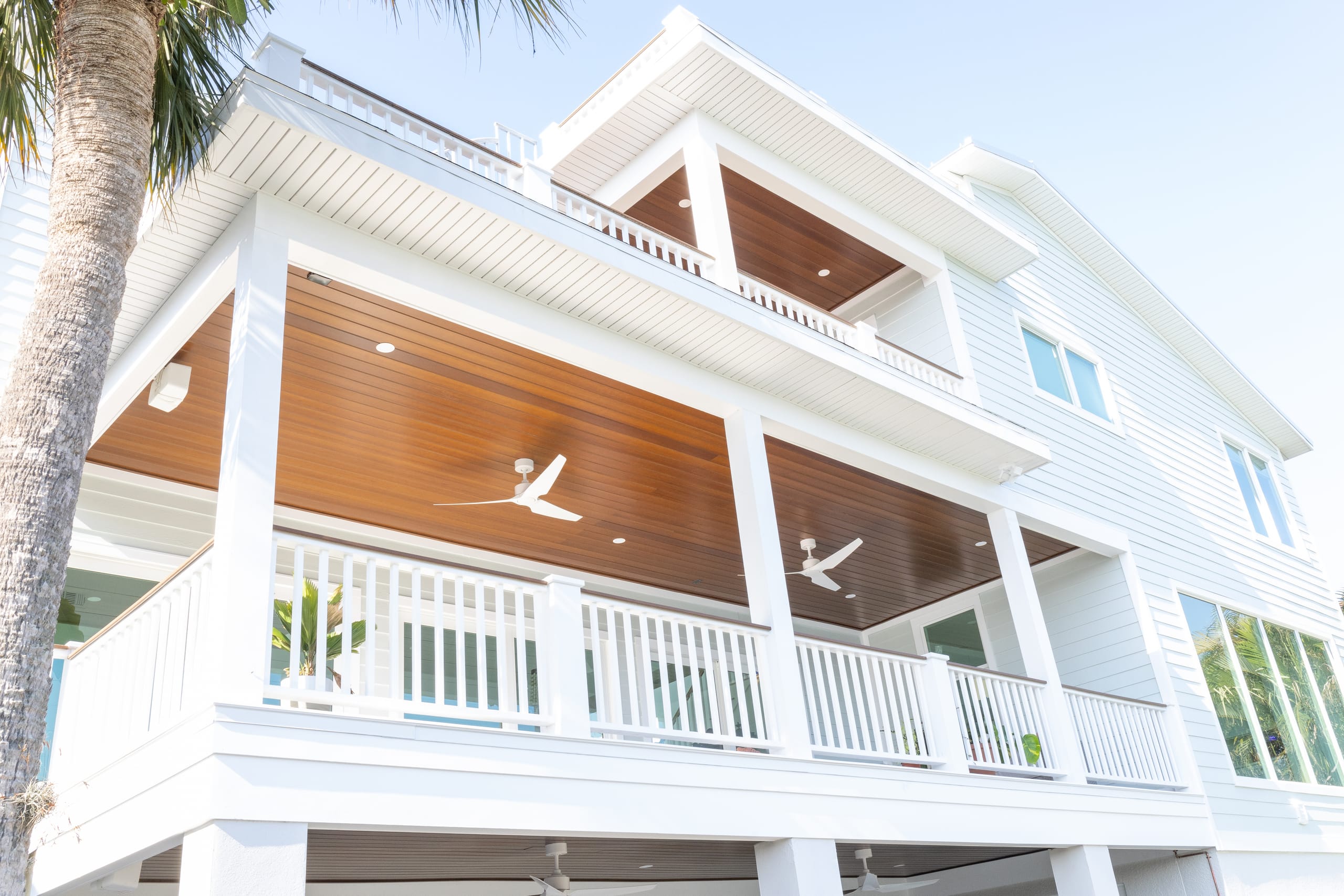
Elevation does not have to mean your home looks like it is on stilts. Skilled design can integrate required elevation into architectural styles that suit Pinellas County's neighborhoods:
- Craftsman: Wide front stairs, covered porches at the elevated entry level, and low-pitch roofs can all be incorporated into a piling or crawl-space elevated design.
- Mediterranean Revival. The elevated entry stair can become a feature element with tile risers and iron railings. The garage or carport beneath is common in this style and suits elevated construction naturally.
- Mid-Century Ranch. The long, low horizontal profile of ranch homes is more challenging with significant elevation, but split-level approaches and landscaped berms can soften the transition.
For homeowners building new, a custom home designed from the ground up for flood zone compliance gives you the most design flexibility while meeting every FEMA and Pinellas County requirement.
Neighborhood-Specific Considerations
Not every Pinellas County neighborhood faces the same flood risk profile. Here is what homeowners in the highest-risk areas should know:
- St. Pete Beach: Nearly the entire city is in VE and AE zones. Almost every renovation or new build here requires an elevated house plan with full flood zone compliance.
- Gulfport: Approximately one-third of the city sits in the 100-year floodplain. Waterfront and near-waterfront properties are predominantly AE zone.
- Tierra Verde: Split designation: the east side is VE zone with wave action requirements (piling foundations, breakaway walls); the west side is AE zone with standard high-risk rules.
- Shore Acres: Waterfront and canal-front properties face significant AE zone exposure. Interior properties may be in X zones but are not immune to flooding.
- Venetian Isles. A canal-front peninsula in northeast St. Petersburg with broad AE zone coverage. Mid-century slab-on-grade homes here often sit at or just above BFE, making elevation strategy critical for any significant renovation.
One additional note for homeowners in designated historic districts: structures listed on the National Register of Historic Places or designated as local historic landmarks may qualify for an exemption from certain FEMA substantial improvement requirements. This requires written approval from the Florida Division of Historic Resources and documentation that full compliance would cause the structure to lose its historic designation. It is a narrow exemption and requires coordination with both state and local authorities before proceeding. See our Pinellas County flood zone guide for additional neighborhood-level detail.
For more on navigating historic renovations in St. Pete, see our Old Northeast historic renovation guide.
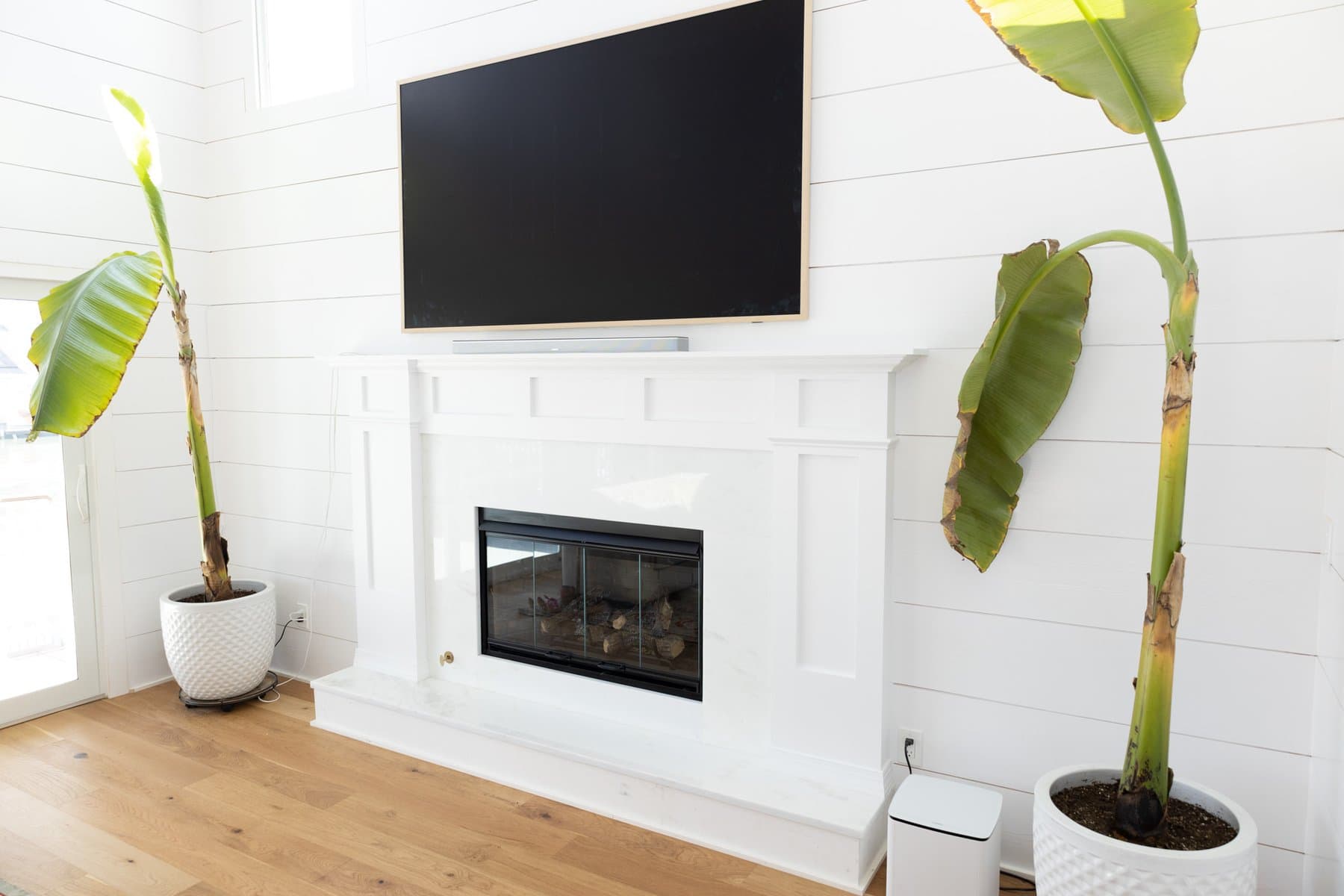
Interior finishes in an elevated Pinellas County home: flood compliance doesn't mean compromising on design.
Insurance Savings and Financial Benefits of Elevation
Elevation is expensive upfront. But across the life of a coastal Florida home, the insurance savings can far exceed the added construction cost. The NFIP uses a tiered rating system: Risk Rating 2.0. That directly ties premiums to your home's elevation relative to BFE.
As a general benchmark, each foot of elevation above BFE reduces annual NFIP premiums significantly:
- At BFE: Full premium rate (often $3,000–$8,000+ annually in high-risk zones)
- BFE + 1 ft (Pinellas County's minimum freeboard): Meaningful discount, varies by zone
- BFE + 2 ft: Substantial additional discount
- BFE + 3 ft: Maximum discount tier in many zones
The elevation certificate is the document that proves your home's elevation to your insurance company. It must be prepared by a licensed land surveyor, engineer, or architect. Without an elevation certificate, your insurance company defaults to the worst-case rate for your flood zone. With a certificate showing elevation above BFE, you access the discounted rate you are entitled to.
Beyond insurance, elevation delivers real estate value. Elevated homes in flood zones command premium prices because buyers understand the lower insurance costs and reduced storm risk. When you add a second story or a home addition to an elevated structure, you are building on a foundation that is already positioned for long-term value retention in a flood zone market. See our home addition cost guide for detailed pricing on flood zone additions in St. Pete.
A simple cost-benefit framework: if elevation adds $40,000 to your construction cost but saves $3,000 per year in flood insurance premiums, you break even in 13 years. For a home you plan to own for 20–30 years, the math strongly favors elevation. And that calculation does not include avoided flood damage costs, which average $25,000 per flood event for a residential structure.
Ready to Build or Elevate Your Florida Home?
Revolution Contractors specializes in flood zone construction across Pinellas County. We handle the engineering, permitting, elevation certificates, and construction, so you do not have to coordinate a dozen different professionals.
Frequently Asked Questions
How High Do I Need to Elevate My Home in Florida?
The minimum elevation required is your property's Base Flood Elevation (BFE) as determined by FEMA. However, Pinellas County requires a minimum of BFE plus one foot of freeboard, meaning your lowest habitable floor must sit at least one foot above the FEMA-designated BFE. Building higher than the minimum freeboard further reduces your flood insurance premiums and provides additional protection against floods that exceed the 100-year event. Many Pinellas County engineers recommend BFE plus two to three feet when the cost difference is manageable.
Does Elevating My Home Reduce Flood Insurance Costs?
Yes, significantly. The National Flood Insurance Program's Risk Rating 2.0 system directly ties your annual premium to your home's elevation relative to BFE. Each additional foot of elevation above BFE typically reduces premiums, with the largest savings coming from the first two feet above BFE. To capture the discount, you need an elevation certificate prepared by a licensed surveyor showing your exact elevation. Without the certificate, insurers default to the highest risk rate for your zone.
What Triggers the 50% Rule for Flood Zone Renovations?
The 50% rule (Substantial Improvement Rule) is triggered when the total cost of your renovation equals or exceeds 50% of your structure's pre-improvement market value, not including land. Pinellas County calculates this based on cumulative renovation costs over a rolling 12-month period. All costs count: labor, materials, permits, architectural fees, contractor overhead, site prep, and demolition. If you cross the threshold, the entire structure must be brought into current flood code compliance before work can proceed, typically meaning the lowest floor must be elevated to BFE plus freeboard. Storm damage repair counts toward the same threshold; for the formal terminology distinction between voluntary renovation and post-storm damage, see what triggers the compliance upgrade.
Can I Renovate My Flood Zone Home Without Elevating It?
Yes, as long as your renovation costs stay below the 50% substantial improvement threshold within any 12-month period. Smaller-scope projects, updating kitchens, replacing flooring above BFE, painting, mechanical upgrades, can be permitted without triggering full flood code compliance. However, you must still use flood-damage-resistant materials in any areas at or below BFE, and you cannot add enclosed space below BFE that was not previously enclosed. The key is careful cost tracking and planning. A contractor experienced in Pinellas County flood zone work can help you structure your renovation to stay below the threshold while still achieving meaningful improvements.
Conclusion
Elevated house plans for Florida flood zones are more than a building code requirement: they are the smartest long-term investment you can make in a coastal Pinellas County property. The right elevation strategy protects your home from storm damage, dramatically reduces your flood insurance premiums, and positions your property for lasting value in a market where buyers increasingly understand and price flood risk.
The critical steps: confirm your BFE with Pinellas County, add the required one-foot freeboard, choose a foundation system appropriate for your flood zone (pilings in VE, crawl space or fill in AE), use flood-damage-resistant materials below BFE, and track your renovation costs carefully to avoid inadvertently triggering the 50% substantial improvement rule.
Revolution Contractors has built and renovated homes throughout Pinellas County's flood zones since 2016. We know the permit process, the inspectors, and the engineering requirements specific to this market. If you are planning a new elevated build or navigating a renovation in a flood zone, reach out to our flood zone project team or contact us to start a conversation about your project.

Revolution Contractors is a licensed general contractor serving Pinellas County since 2016, with leadership bringing nearly 20 years of combined construction and real estate experience. We specialize in flood zone construction, elevated foundations, and renovation projects in AE and VE zones throughout St. Pete Beach, Gulfport, Tierra Verde, Shore Acres, and surrounding coastal communities. FL #CRC1331628 | #CGC1522463.