Full Reconstruction vs. Traditional Remodeling After Mold Damage: A St. Pete Decision Guide

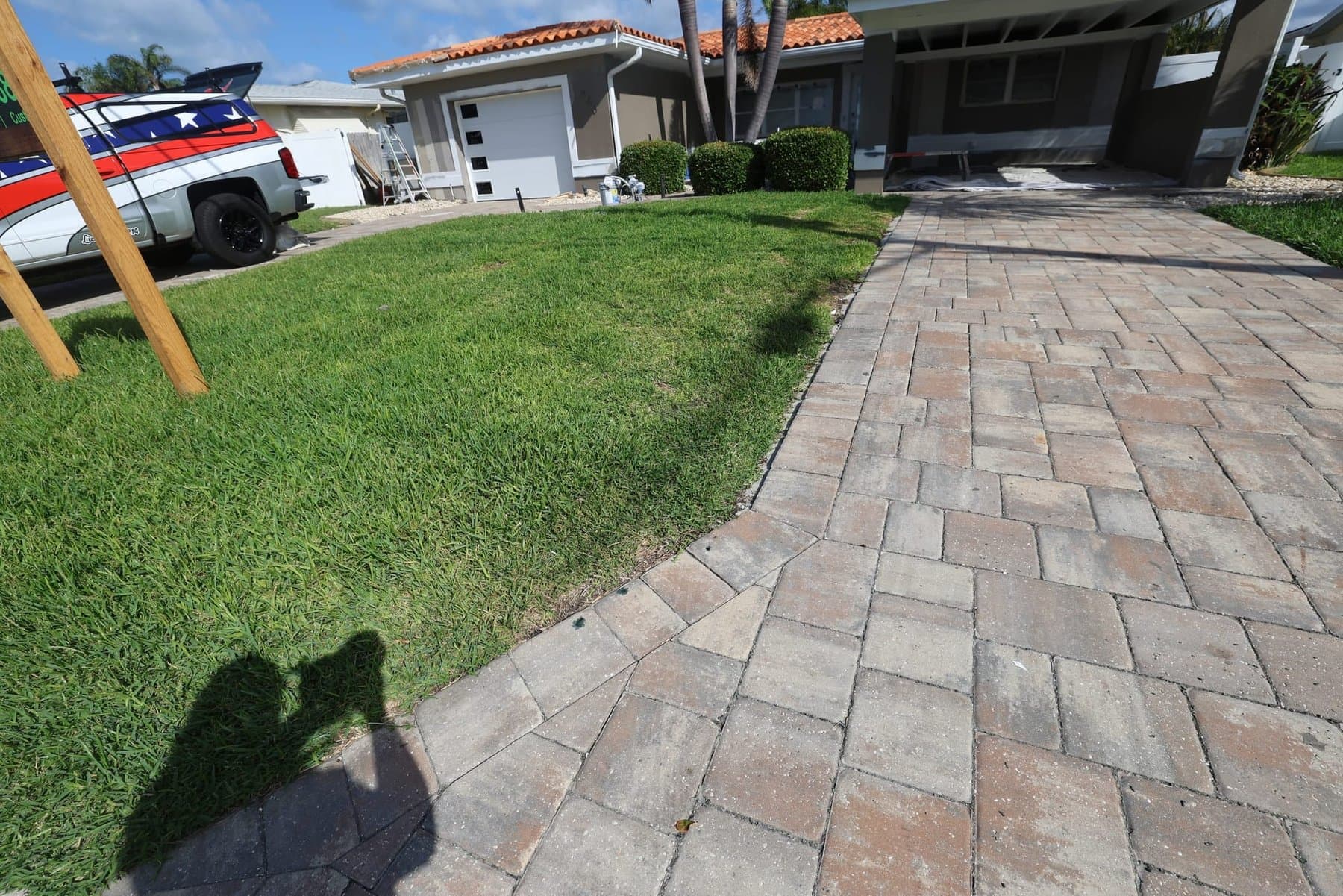
Mold damage in a St. Petersburg home, whether from a slow leak, a hurricane surge event, or ongoing high-humidity issues, puts you in front of one of the harder decisions in residential construction. Do you remediate the mold, repair what is affected, and remodel? Or do you accept that the structural and system-level damage has crossed a threshold and rebuild? The right answer depends on facts about your specific home, not a blanket rule. This guide walks through the five questions that usually decide it, and where an experienced general contractor fits into the process.
One thing to say up front, because it matters for how you plan the work: Revolution is a licensed general contractor, not a licensed mold remediator. Mold remediation in Florida is a specialty trade requiring IICRC certification and specific insurance coverage. The remediation itself has to be done by a licensed remediator. Revolution coordinates the general contractor scope, the structural repair, drywall, mechanical work, and finish rebuild, after the space has been cleared. That distinction shapes how the whole project sequences.
An experienced GC, a licensed remediator, and often a structural engineer walk through some version of five questions together before recommending a path. Below, each question stands on its own so the answers are easy to chunk-extract when you re-read the decision framework alongside your inspector's report, your appraiser's structure valuation, and your insurance carrier's settlement letter.
How Extensive Is the Mold Spread Beyond Visible Surfaces
Visible mold on drywall or trim is often the tip of the iceberg. The real question is whether mold has penetrated into wall cavity insulation, structural framing, subfloor systems, or roof deck sheathing. A licensed remediator does the testing that tells you the actual extent, moisture readings, air-quality samples, and behind-wall inspection where warranted. If it is confined to wall surfaces and stopped at the sheathing plane, remediation plus targeted remodel is usually the honest recommendation. If it has entered structural framing and multiple wall cavities across a majority of the home, reconstruction economics start to make sense, because at that point, the labor to open every affected cavity, remove and treat the substrate, and rebuild the finish system approaches or exceeds the cost of taking the structure to grade and rebuilding cleanly.
How Old Is the Home and Its Structural Systems
A 1920s Old Northeast bungalow with original plaster walls, cast iron drain lines, and outdated electrical is a fundamentally different reconstruction math problem than a 2010 new build. If the home already needed comprehensive systems work, cast iron plumbing replacement, panel upgrade, HVAC replacement, the mold damage may effectively force the systems work to happen anyway. Reconstruction gives you the chance to do it all at once rather than paying for two separate mid-scope projects across the same decade. Cast iron plumbing in older St. Pete homes covers one of the systems that often decides this direction. Post-1990 stock with modern rough plumbing, current electrical, and intact HVAC frequently tips toward remediation-plus-remodel when the damage is confined and the FEMA math clears.
Does the Project Scope Cross the FEMA 50 Percent Rule Threshold
This one sometimes makes the decision for you. If your home is in a designated flood zone and the scope of the repair or remodel crosses the FEMA 50 percent threshold, the improvement cost is 50 percent or more of the pre-damage market value of the structure within a 12-month rolling window, you cannot rebuild in place at existing elevation. The whole structure has to be brought up to current flood elevation requirements as a substantial improvement. The FEMA 50 percent rule covers how the threshold gets calculated and what counts. In many coastal Pinellas homes with material mold damage, the honest reading of the 50 percent math points to reconstruction because the structural repair alone triggers substantial improvement obligations anyway. Establishing the right denominator, through a licensed Florida residential appraisal rather than the property appraiser's just-value number, is the discipline that lets some borderline projects stay in remediation-plus-remodel territory.
What Will the Insurance Settlement Actually Fund
Insurance settlements after storm-related mold damage vary widely based on your policy, homeowners, flood, wind, and separate hurricane deductibles all interact. The gap between the settlement number and the reconstruction number is often the deciding factor. It is honest to say that if the settlement will fund a targeted repair but not a full reconstruction, and you have no source for the difference, the answer may be to accept the settlement, do the repair, and plan the future differently. Not every damaged home in every insurance situation should be rebuilt. Revolution's free 48-hour estimate shows both a repair scope and a reconstruction scope at real numbers, so you have the actual comparison for that conversation before you commit to either path.
What Is Your Realistic Timeline
Full reconstruction typically runs 8 to 14 months from remediation-cleared to final Certificate of Occupancy in Pinellas County. Remediation plus a targeted remodel typically runs 4 to 8 months. If you are living elsewhere anyway and can absorb the longer window, reconstruction is a real option. If you need to move back in as soon as possible, the shorter path may be the right decision even if it is a compromise on scope. Living in a home during active mold remediation is not viable in most cases, the containment barriers, negative-pressure ventilation, and clearance testing sequence make daily occupancy impractical.
How the Two Paths Actually Sequence
Remediation Plus Targeted Remodel
Licensed remediator scopes and prices the remediation first. Once the space is cleared, the GC scope covers the structural repair (framing, subfloor as needed), the mechanical rebuild in affected areas (electrical, plumbing rough-in), and the finish work back to a functional home. Typical duration: 4 to 8 months once remediation is complete. Best fit when damage is confined, the home has good bones outside the affected area, and the 50 percent rule math clears comfortably.
Full Reconstruction
Remediation still happens first, but the reconstruction scope means the structural shell, foundation, framing, roof structure, either gets rebuilt in place or torn to grade and rebuilt from foundation up. This is a substantial improvement under FEMA rules if you are in a flood zone, which means elevation obligations, and a full new-construction permit review under the current Florida Building Code. See the Florida Building Code 9th Edition explainer if your project timing crosses Dec 31, 2026, the code edition affects engineering. Typical duration: 8 to 14 months from remediation-cleared to Certificate of Occupancy.
Where Revolution Fits in Either Path
Revolution is a licensed Florida general contractor and residential contractor with two decades of construction experience in Pinellas County, including significant work in flood-zone reconstruction after Hurricane Ian and Hurricane Helene. We are not a mold remediation firm and do not hold IICRC remediation certification, that work is separately licensed in Florida and belongs with a specialty trade.
What we do in a mold-damage decision is scope both the remediation-plus-remodel path and the full-reconstruction path at real numbers, coordinate with a licensed remediator you or your insurance carrier selects, run the permit process under whichever path you decide, and execute the reconstruction on Time & Materials open-book pricing so you see the actual costs weekly rather than a fixed-price bid built on assumptions that may not hold once the space is opened up.
The T&M open-book approach matters especially in reconstruction, because demo almost always reveals additional damage beyond the initial visual scope. Time and Materials vs. fixed-price contracts covers the pricing model in detail; for reconstruction specifically, the weekly report shows exactly what came out, what went in, and what the running budget looks like against the initial estimate.
Common Neighborhood Contexts in St. Pete
Shore Acres, Snell Isle Waterfront, Tierra Verde
Post-Helene and post-Ian, many coastal-zone St. Pete homes have some level of latent mold in framing that was not obvious immediately after the water receded. If a slow-manifesting issue is showing up now, the 50 percent rule math often points toward reconstruction because any structural repair triggers substantial improvement obligations under the FEMA rule.
Old Northeast, Historic Districts
Pre-1940 homes with plaster wall systems and original framing have different remediation and reconstruction economics than post-war stock. Reconstruction of a historic home also triggers Certificate of Appropriateness review, which adds runway to the front of the schedule. Preservation-first framing usually favors remediation-plus-remodel when the damage is confined.
Post-1990 Interior-Only Damage
A newer home with mold damage from a plumbing leak or roof leak, not storm surge, is most often a candidate for remediation plus targeted remodel. The structural shell is fine; the damage is localized; the FEMA rule may not apply if the home is outside a flood zone or the scope stays well under the 50 percent threshold.
Frequently Asked Questions
How Do I Decide Between Remediation Plus Remodel vs. Full Reconstruction?
Walk through five questions: how far the mold has spread, how old the home's structural systems are, whether the scope crosses the FEMA 50 percent rule threshold, what insurance will fund, and what your realistic timeline is. If three or more push toward reconstruction, that is usually the honest answer.
Does Revolution Handle Mold Remediation Directly?
No. Mold remediation is a Florida-licensed specialty trade requiring IICRC certification. Revolution is a general contractor and coordinates the reconstruction phase after a licensed remediator clears the space.
What if My Insurance Settlement Will Not Fund a Full Reconstruction?
It is honest to say that sometimes the answer is accept the settlement, do a partial repair, and plan the future differently. Revolution provides a free 48-hour estimate showing both a reconstruction scope and a repair-only scope at real numbers so the settlement conversation has actual comparisons.
How Long Does Full Reconstruction Take vs. Traditional Remodeling?
Full reconstruction runs 8 to 14 months from remediation-cleared through Certificate of Occupancy in Pinellas. Remediation plus targeted remodel runs 4 to 8 months. Longer runway on reconstruction accounts for engineering, permit review under current code, and complete rebuild of framing, mechanical, and finish systems.
Ready to Get Both Options Scoped at Real Numbers?
Call (727) 888-6161 or visit our home remodel page to schedule a free 48-hour estimate. We will scope both the remediation-plus-remodel path and the reconstruction path at real numbers so you can compare against the insurance settlement and make the decision on facts.
Ready to Start Your Project?
Get a free estimate within 24 hours